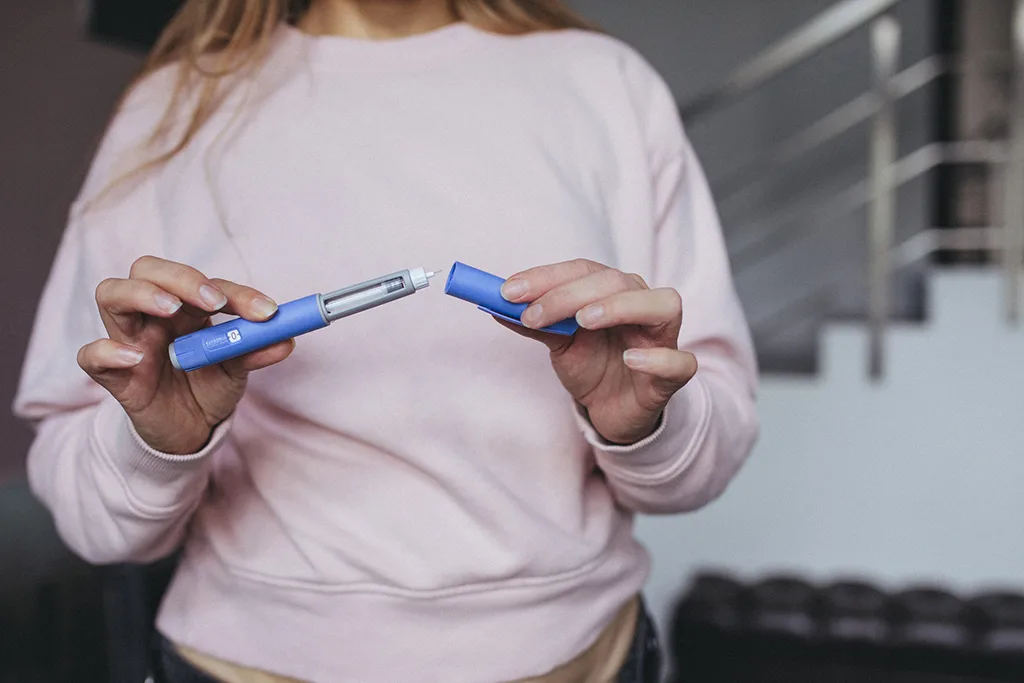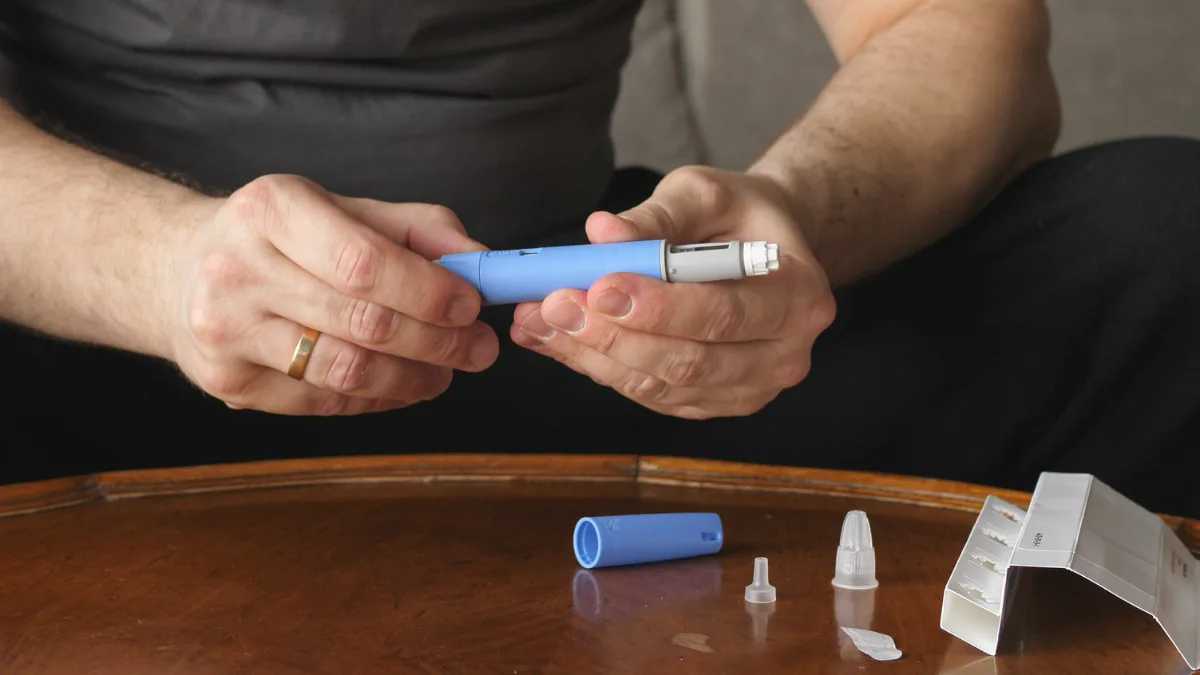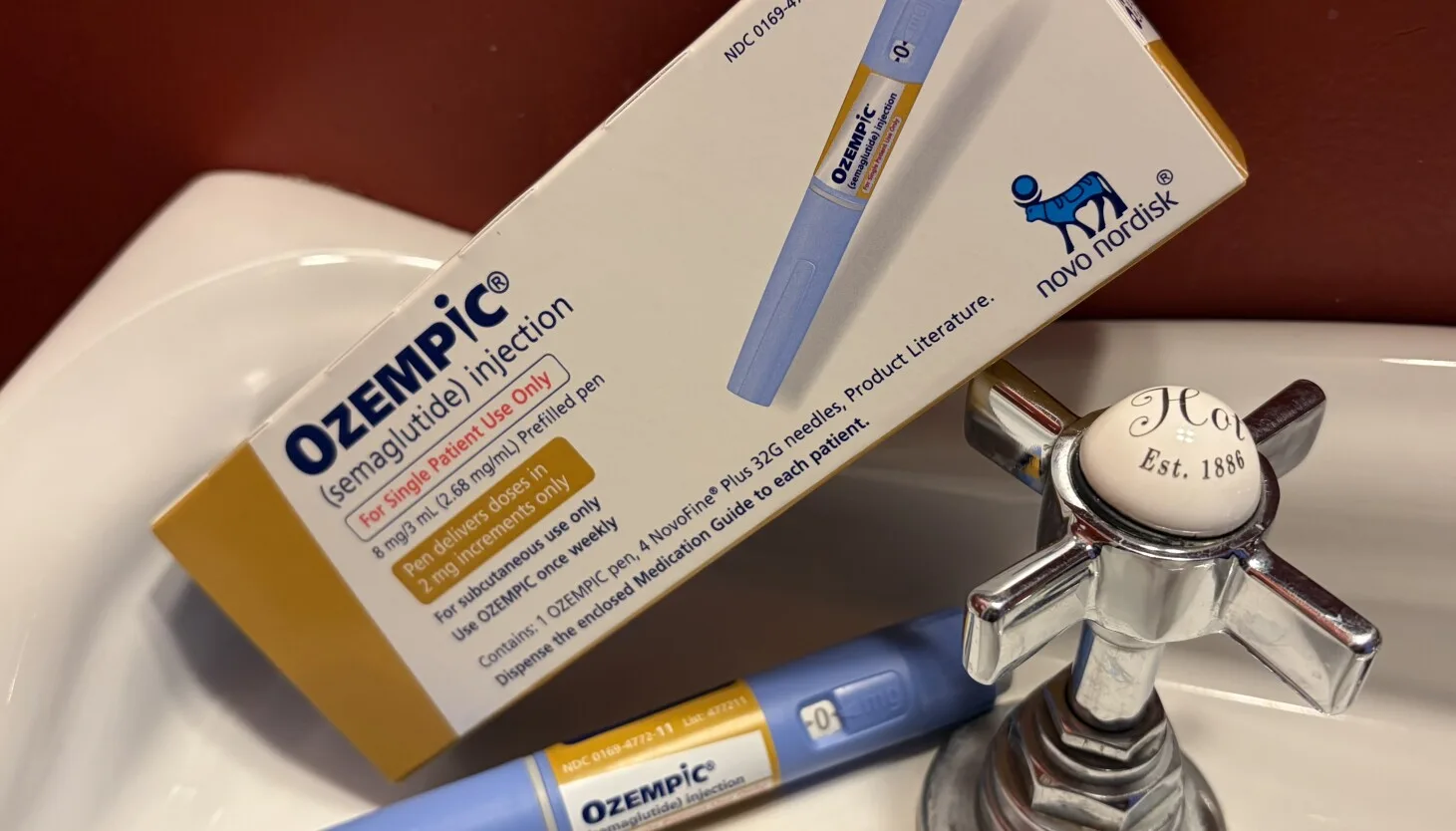

GLP-1 medications have exploded in popularity as a treatment for Type II diabetes and weight management, drawing attention from thousands worldwide, including high-profile celebrities. These prescription drugs, such as Ozempic, Wegovy, and Mounjaro, work by improving insulin secretion to better control blood sugar in Type II diabetes patients and by suppressing appetite while promoting a greater sense of fullness to aid weight loss. While they have benefited many with Type II diabetes, serious side effects have emerged in some users, prompting discussions about risks and viable alternatives.
What Are GLP-1 Medications and How Do They Work?
GLP-1 stands for glucagon-like peptide-1, a hormone that regulates blood sugar and appetite. Medications mimicking this hormone are primarily prescribed for Type II diabetes to enhance insulin release after meals and slow gastric emptying, which helps stabilize blood glucose levels. For weight management, they reduce hunger signals to the brain and increase satiety, leading to reduced calorie intake.
These drugs require a physician's prescription and are administered via weekly injections in most cases. Their rise in off-label use for weight loss has spotlighted both benefits and drawbacks, as seen in celebrity anecdotes that highlight real-world applications and challenges.
Celebrities Turning to GLP-1 Medications
A growing list of celebrities has openly discussed or been linked to using GLP-1 medications like Mounjaro, Ozempic, or Wegovy. Notable names include Oprah Winfrey, Whoopi Goldberg, Kelly Clarkson, Sharon Osbourne, Elon Musk, Bunnie Xo, Serena Williams, and Meghan Trainor. These public figures often share their journeys to inspire others managing weight or metabolic conditions, but not all disclose the full spectrum of experiences, including potential downsides.
Bunnie Xo's Cautionary Tale with GLP-1 Side Effects
During an interview with People, Bunnie Xo, whose real name is Alyssa DeFord, urged fans not to use GLP-1 medications without carefully considering the risks. The personality revealed that she developed suicidal ideations and started having visions after she started using the medication last year. Bunnie Xo also said that December 2025 was such a difficult and scary time for her because she started feeling depressed and wanted to die.
'You want to have anxiety because you want to be scared to die. You don't want to have depression because you literally don't care if you want to die. So yeah, it was really dark,' she said.
The podcast host also encouraged those who may be having similar thoughts about ending their life to seek help immediately and to remember that they are not alone.
'Please stay. Everybody, please stay because you're here for a reason and you're going through this, but do not make a permanent decision based on a temporary emotion because it will go away,' she said.
When asked why she decided to take a GLP-1 medication, Bunnie Xo explained that it was because her insulin levels were unstable, not because she wanted to lose weight. The podcast host's family also had a history of diabetes, particularly her parents. Her story underscores the importance of weighing personal health history against medication risks, especially for those with metabolic vulnerabilities.
Jelly Roll's Different Approach: Natural Weight Loss Without GLP-1 Drugs
In contrast to GLP-1 use, Bunnie Xo's husband, Jelly Roll, went viral after he lost almost 300 pounds without using Ozempic or similar medications. Jelly Roll revealed that he decided to have a healthier relationship with food, and he also started walking and exercising regularly to maintain his figure and improve his overall health.
On his wife's podcast, Jelly Roll said that he didn't want to take GLP-1 medication because, as a singer, it could destroy his vocal cords. During his interview with Men's Health magazine, it was revealed that the musician tried using weight loss drugs during the first two weeks of his journey, but he immediately stopped due to the extreme acid reflux that he experienced.
Precision tracking for your journey
Join thousands using Shotlee to accurately track GLP-1 medications and side effects.
📱 Get the Shotlee App
Track your GLP-1 medications, peptides, and health metrics on the go with our mobile app!
In 2020, Bunnie Xo's husband found himself at his highest weight at over 500 pounds. Following his wakeup call, Jelly Roll worked with a professional to address his food addiction similar to how he sought treatment for his drug addiction years earlier. His transformation has since inspired many of his fans to pursue healthier lifestyles through natural means, demonstrating that sustainable change is possible without pharmaceuticals.
Understanding GLP-1 Side Effects: Insights from Real Experiences
While GLP-1 medications help hundreds with Type II diabetes, they have caused serious side effects in some users, as evidenced by celebrity reports. Bunnie Xo's experience with suicidal ideations, visions, and profound depression highlights rare but severe mental health impacts. Jelly Roll's encounter with extreme acid reflux early on points to common gastrointestinal issues that can deter continued use.
These personal accounts align with broader patient reports, emphasizing the need for close monitoring. For performers like Jelly Roll, additional concerns like potential vocal cord damage add another layer of risk assessment. Patients considering these drugs should track symptoms diligently—tools like Shotlee can help log side effects, moods, and insulin levels to share with healthcare providers.
Who Might Be at Higher Risk?
Individuals with a family history of diabetes, like Bunnie Xo, may start these medications for insulin stabilization but should discuss mental health predispositions. Those in professions requiring vocal performance or with gastrointestinal sensitivities, akin to Jelly Roll, might explore alternatives first.
Safer Alternatives to GLP-1 Medications
Jelly Roll's success illustrates the power of lifestyle interventions as safer alternatives. Building a healthier relationship with food—treating food addiction through professional therapy, much like substance recovery—combined with consistent walking and exercise, yielded dramatic results without drug dependency.
Other natural strategies include balanced nutrition focusing on whole foods, portion control, and gradual activity increases. These approaches not only promote weight management and blood sugar control but also foster long-term metabolic health without prescription risks.
Practical Guidance: What to Discuss with Your Doctor
Before starting GLP-1 medications like Ozempic, Wegovy, or Mounjaro, consult your physician about your full medical history, including family diabetes risks and any mental health concerns. Ask about potential side effects like depression, suicidal thoughts, or acid reflux, and whether monitoring tools could aid management.
For those preferring natural paths, inquire about nutritionists or therapists specializing in food behaviors. Compare options: GLP-1s offer rapid results but with risks, while lifestyle changes build enduring habits, as Jelly Roll exemplifies.
Key Takeaways: Balancing Benefits and Risks with GLP-1 Medications
- GLP-1 drugs like Ozempic and Mounjaro treat Type II diabetes and aid weight loss by enhancing insulin and curbing appetite.
- Celebrities including Oprah Winfrey, Elon Musk, and Bunnie Xo have used them, but Bunnie shared severe side effects like suicidal ideations.
- Jelly Roll lost nearly 300 pounds naturally through diet, exercise, and addiction therapy, avoiding drugs after acid reflux issues.
- Prioritize doctor discussions and consider tracking apps like Shotlee for symptoms.
- Natural alternatives emphasize sustainable lifestyle changes for metabolic health.
Conclusion: Informed Choices for Metabolic Health
Celebrity stories from Bunnie Xo to Jelly Roll remind us that GLP-1 medications offer powerful tools for Type II diabetes and weight management but come with real risks like mental health crises and gastrointestinal distress. By preserving these firsthand accounts and exploring mechanisms, side effects, and alternatives, patients can make empowered decisions. Always partner with your healthcare provider to tailor the best path—whether pharmaceutical or natural—for lasting wellness.