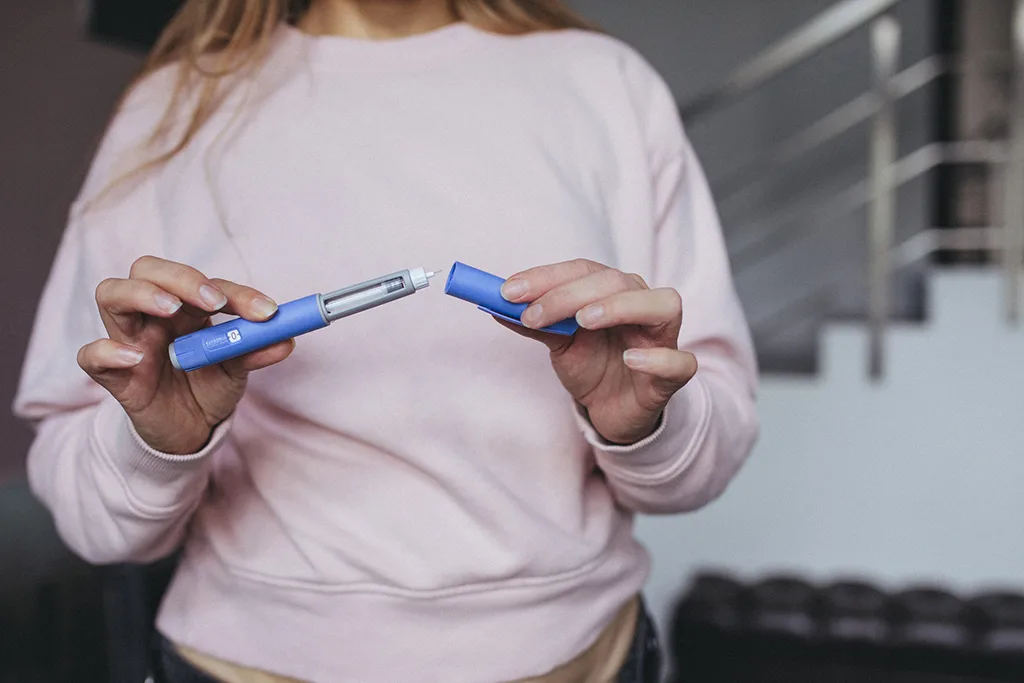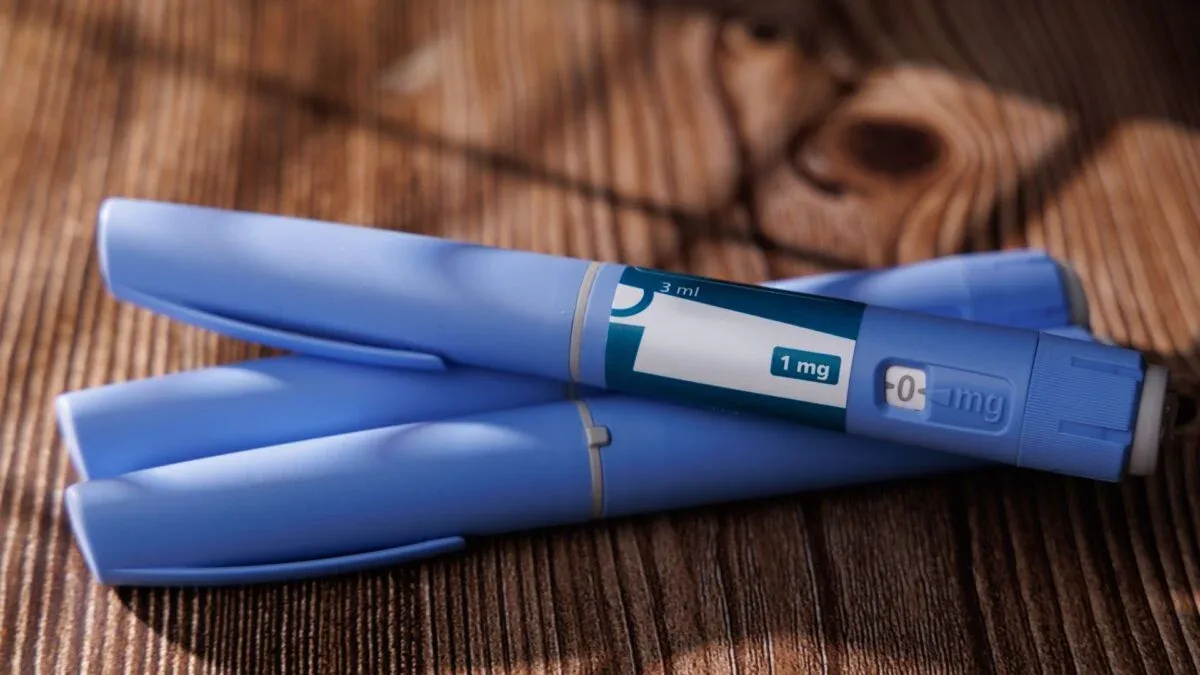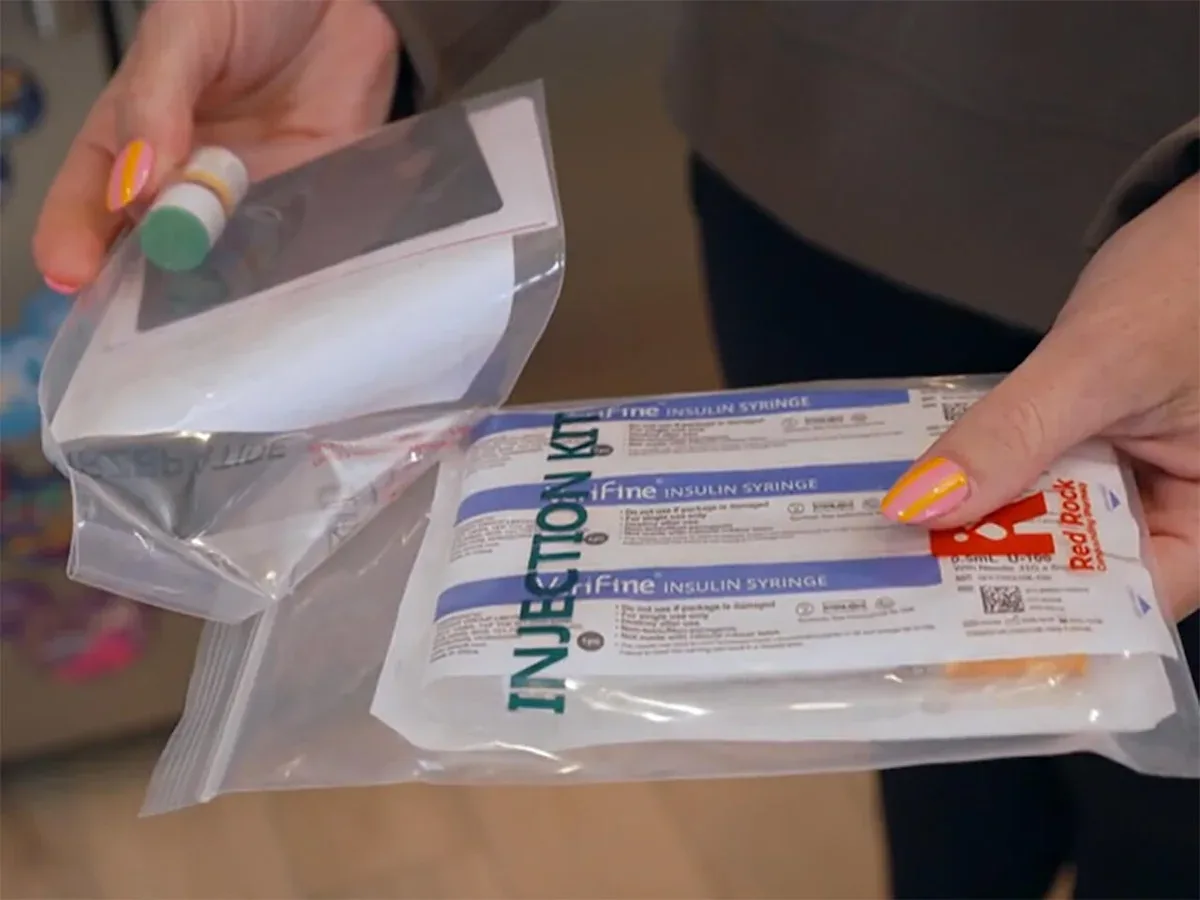

For years, the conversation around GLP-1 medications has largely centered on their remarkable ability to facilitate weight loss. However, a growing body of evidence and personal experiences suggests these powerful drugs offer a much broader spectrum of health benefits, impacting everything from chronic inflammation to mental well-being. Once considered a last resort for some, GLP-1s are now transforming lives in ways that extend far beyond the number on the scale.
The Unexpected Journey of GLP-1s: From Diabetes to Wellness
Originally approved over two decades ago as a treatment for type 2 diabetes, GLP-1 receptor agonists (GLP-1s) quickly revealed a surprising side effect: significant weight loss. This observation spurred further research and development, leading to a new generation of medications specifically targeting obesity. Today, more than a dozen GLP-1 drugs are available in various forms, with newer iterations continuously emerging. These medications mimic the action of a natural hormone, glucagon-like peptide-1, which plays a crucial role in regulating appetite and blood sugar levels.
Dr. Ania Jastreboff, a leading endocrinologist at Yale School of Medicine and co-author of the book "Enough" with Oprah Winfrey, highlights the profound impact these drugs are having. "They're transforming every aspect of the lives of my patients," she states. "Their health, being able to chase your grandkids, being able to tie your shoes, being able to wrap a towel around your body." This sentiment underscores the idea that GLP-1s are not just about aesthetics, but about restoring function and improving the quality of life.
The potential implications for public health are vast. Dr. Jastreboff believes that by effectively treating obesity early, we can prevent, mitigate, and manage hundreds of other diseases. "It's going to take a lot more time and more studies to really understand how treating obesity will impact those types of diseases, like cancer," she explains. "But think about the potential. ... By treating obesity, if we're impacting obesity and potentially 200 obesity-related diseases and complications, these medicines will save millions of lives."
More Than Just Weight Loss: Addressing Inflammation and Pain
Carly Anderson, a former elementary school teacher and now an online influencer, shares a compelling personal story that illustrates the multifaceted benefits of GLP-1s. For years, Anderson suffered from chronic, debilitating joint inflammation, which she described as feeling like "being old" at the age of 46. The daily back pain was so severe that she resigned herself to it being a permanent part of her life.
After exhausting numerous remedies, her doctor suggested an off-label use of a GLP-1 medication. Anderson was initially hesitant, having dedicated years to promoting body positivity and self-acceptance. However, desperation led her to try it. The results were astonishing. "Within three hours I started to think, something's happening," she recalls. "And I could literally feel inflammation start to leave my body. It was the most wild experience I think I've ever had in my life." Within days, her debilitating joint pain vanished, and her overall well-being continued to improve. Notably, this relief from inflammation occurred even before she experienced significant weight loss.
This experience highlights a critical, often overlooked, benefit of GLP-1s: their potential to address inflammatory conditions. While the exact mechanisms are still being explored, it's theorized that the hormonal and metabolic changes induced by these drugs may have a direct impact on inflammatory pathways within the body.
Navigating the Psychological Landscape: The 'Ozempic Personality'
Beyond the physical, GLP-1 medications can also influence one's mental and emotional state. While most side effects are gastrointestinal in nature, a small subset of patients have reported experiencing a phenomenon colloquially termed 'Ozempic personality.' This can manifest as a reduced interest in activities that were once highly engaging.
Dave Knapp, founder of the obesity care podcast "On the Pen," experienced this firsthand. "When I first started on GLPs I lost interest in things I used to be obsessed with," he shared. "It's just that a lot of the things that used to interest me, just, I could take or leave." He cites his lifelong passion for Chicago Cubs baseball as a prime example, realizing he had lost touch with the sport for years.
Precision tracking for your journey
Join thousands using Shotlee to accurately track GLP-1 medications and side effects.
📱 Get the Shotlee App
Track your GLP-1 medications, peptides, and health metrics on the go with our mobile app!
However, this effect is not necessarily permanent. After adjusting his medication dosage, Knapp found his mental clarity returned. "I noticed after a few weeks my head started to clear up. The sun started to shine a little bit brighter. The birds chirped a little louder," he described. "I noticed that my zest for some of those things started to come back, including Cubs baseball." This suggests that the psychological impacts may be dose-dependent and manageable through careful medical supervision. For individuals using health tracking tools like Shotlee, noting these shifts in mood and interest alongside physical changes can be invaluable for discussing adjustments with their doctor.
Cost, Access, and Innovative Solutions
Despite the transformative benefits, the cost of GLP-1 medications remains a significant barrier for many. While Medicare and Medicaid are beginning to offer coverage, a substantial number of patients with private insurance struggle to afford these once-weekly injections.
This challenge has prompted healthcare professionals to explore cost-effective strategies. Dr. Mitch Biermann, an obesity specialist at Scripps Clinic in San Diego, has been informally studying the effects of spacing out dosages. His preliminary observations suggest that some patients can maintain their weight loss even when extending the interval between injections to once every two or three weeks. "I tell people that they don't have to be on it every week for the rest of their life," Dr. Biermann stated. "Most people who reach a normal weight on Ozempic or tirzepatide, Zepbound, Semaglutide, will maintain that weight if they space it out to every other week." He hopes to conduct a formal clinical trial to validate these findings.
These explorations into alternative dosing schedules could significantly improve accessibility and reduce the long-term financial burden, making these life-changing medications available to a wider population.
The Future of GLP-1s: A Holistic Approach to Health
Carly Anderson's journey exemplifies the profound, holistic impact of GLP-1 medications. Beyond her inflammation relief and weight loss, she's experienced tangible improvements in her physical performance. As a distance runner, she's shaved a minute off her mile time, a significant achievement in the running community. "For her, it's not about what she's lost, but what she's gained," the article notes.
Her perspective is a powerful reminder of the potential of these drugs when viewed not just as weight-loss tools, but as comprehensive health interventions. "What if six months from now I look back and say, this is the best thing I've done for myself?" she muses. The answer, for many, is increasingly affirmative. "It is mind-boggling how different I feel every day, every single day," Anderson concludes.
As research continues and more data emerges, the role of GLP-1s in managing chronic diseases, improving metabolic health, and enhancing overall well-being is likely to expand. For individuals navigating their treatment journey, meticulous tracking of symptoms, doses, and any changes in physical or mental health using tools like Shotlee can provide invaluable insights for optimizing their care and maximizing the benefits of these revolutionary medications.
Key Takeaways:
- GLP-1 medications, initially for diabetes, are now widely recognized for their significant weight loss benefits.
- Beyond weight, these drugs can alleviate chronic inflammation and joint pain.
- Some individuals may experience altered emotional responses or reduced interest in activities, often manageable with dose adjustments.
- Cost remains a barrier, but research into extended dosing intervals may improve accessibility.
- GLP-1s offer a holistic approach to health, improving physical function and overall quality of life.
Table: Comparing Key GLP-1 Medications and Their Primary Indications
| Medication Name(s) | Active Ingredient(s) | Primary Approved Indications | Commonly Observed Benefits Beyond Indication |
|---|---|---|---|
| Ozempic, Wegovy, Rybelsus | Semaglutide | Type 2 Diabetes (Ozempic, Rybelsus), Chronic Weight Management (Wegovy) | Weight loss, reduced inflammation, potential cardiovascular benefits |
| Mounjaro, Zepbound | Tirzepatide | Type 2 Diabetes (Mounjaro), Chronic Weight Management (Zepbound) | Significant weight loss, improved glycemic control, reduced inflammation |
| Victoza, Saxenda | Liraglutide | Type 2 Diabetes (Victoza), Chronic Weight Management (Saxenda) | Weight loss, improved blood sugar control |
| Trulicity | Dulaglutide | Type 2 Diabetes | Weight loss, reduced cardiovascular risk |
Conclusion
The landscape of GLP-1 medications is rapidly evolving, revealing a profound and multifaceted impact on human health. While their efficacy in treating diabetes and promoting weight loss is well-established, emerging evidence and patient testimonials highlight their significant potential in managing inflammation, improving mental well-being, and enhancing overall quality of life. As these drugs become more accessible and their applications continue to be explored, they represent a powerful new frontier in the pursuit of holistic health and disease prevention.