
Dr. Trehan Warns: Generic GLP-1 Drugs Shouldn't Be OTC
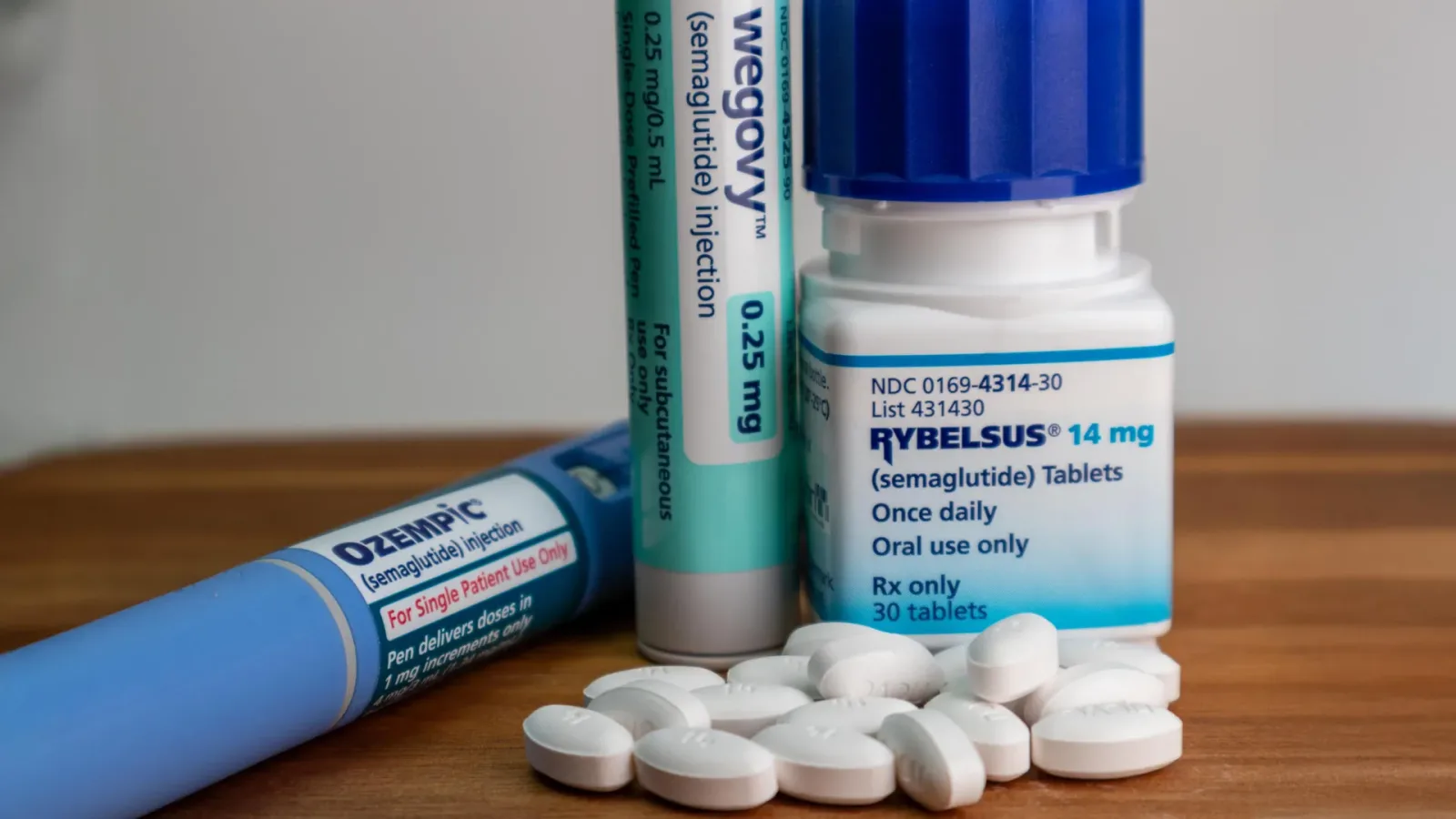
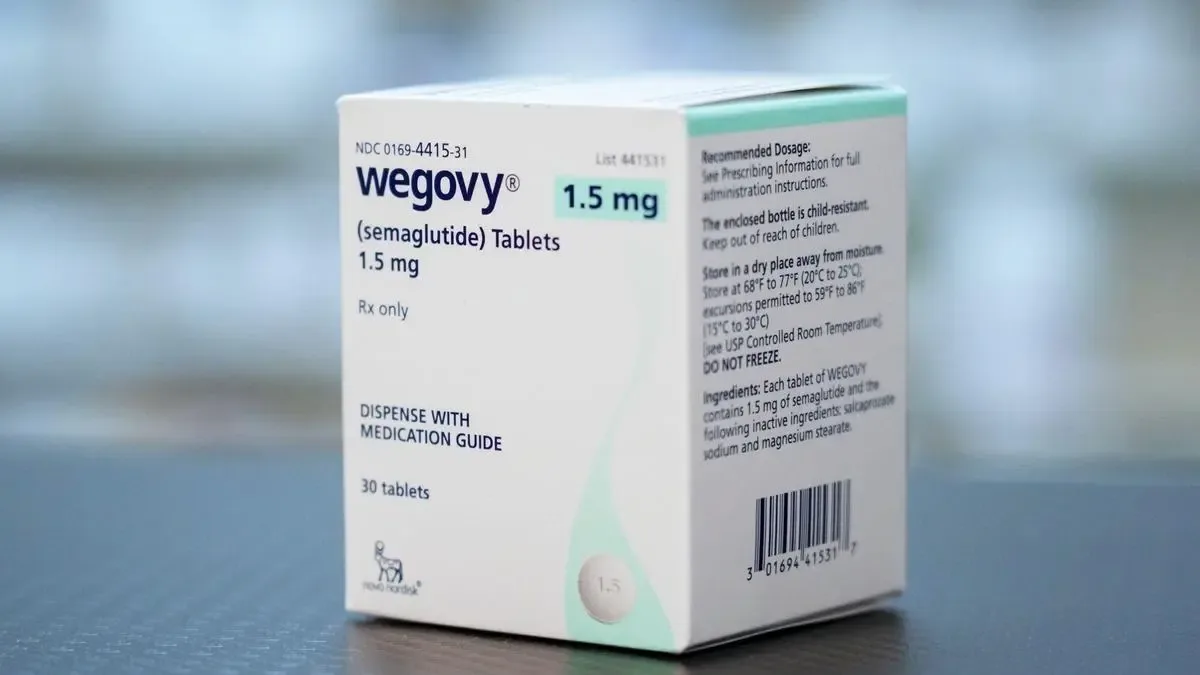
Generic GLP-1 drugs, such as versions of semaglutide and liraglutide, have become widely available in India following the expiration of their patents. However, leading medical experts like Dr. Naresh Trehan, Chairman & MD of Medanta, caution that these medications should not be available over-the-counter or online without proper medical oversight. This surge in accessibility has prompted strict warnings from India's healthcare authorities to curb misuse and prevent health complications.
Understanding GLP-1 Drugs and Their Rise in India
GLP-1 receptor agonists, including semaglutide and liraglutide, mimic the glucagon-like peptide-1 hormone to regulate blood sugar, slow gastric emptying, and promote satiety. Originally approved for type 2 diabetes management and later for chronic weight management, these drugs have gained popularity for their effectiveness in weight loss. In India, they've been available for about a year or a year and a half, but the recent patent expiry of molecules like semaglutide has led pharmaceutical companies to launch cheaper generic alternatives.
This development has made generic GLP-1 drugs more accessible to the public, but experts emphasize that their potency comes with significant risks if used without supervision. Self-medication bypasses essential monitoring for side effects and ensures they're used only for approved indications.
How GLP-1 Drugs Work: Mechanism and Approved Uses
These medications work by activating GLP-1 receptors in the pancreas, brain, and gut. They stimulate insulin release in response to meals, suppress glucagon (which raises blood sugar), and delay stomach emptying to reduce appetite. Approved by regulators like the DCGI for diabetes and obesity, they offer proven safety and efficacy under controlled conditions—but only when prescribed appropriately.
Expert Warnings: Voices from Leading Physicians
Speaking to ANI in Gurugram, Haryana, Dr. Naresh Trehan addressed the recent surge in generic GLP-1 drugs. "When the patent of the GLP-1 drug expired, several pharmaceutical companies introduced its generic version. When these were introduced, it was seen that they were freely accessible to the public. So, the Health Ministry issued a notice to everyone that the drug should be consumed only under the supervision of doctors, endocrinologists or internists. So that they can be monitored because the drug is effective for weight loss, but it has side effects, too. So, if someone goes for self-medication, there would be dangers," Dr. Trehan told ANI.
This should not be available over-the-counter or online because the medicine has complications. People might find it convenient that would be able to lose weight without exercise or a specific diet but it comes with pancreatitis, nausea, vomiting, and an effect on the liver. So, it can have serious consequences. So, I would like to put it in perspective that it is the responsibility of the patient to have treatment under doctors' supervision and not self-medicate.
Dr. Trehan stressed the dangers of unsupervised use, highlighting potential severe outcomes like pancreatitis and liver effects.
Insights from Dr. Yogendra Kumar Gupta
Dr. Yogendra Kumar (YK) Gupta, National Scientific Advisor for the Pharmacovigilance Programme of India and former Head of Pharmacology at AIIMS Delhi, echoed these concerns. "Semaglutide and liraglutide are GLP-1 receptor agonist medicines. These drugs are only indicated for the purpose for which they are approved. People are using this drug indiscriminately, which by all means must be stopped. These drugs also caused side effects. The government of India has issued strict guidelines. By all means, irrational use of Semaglutide, liraglutide (GLP-1RAs) should not be allowed and must be stopped," Gupta told ANI.
Dr. Saptarshi Bhattacharya's Perspective
Endocrinologist Dr. Saptarshi Bhattacharya from Apollo Hospitals Indraprastha in Delhi warned against viewing GLP-1 drugs as quick fixes. "The Government of India and the DCGI (Drug Controller General of India), which is the drug regulatory authority of India, have issued a warning regarding the use of GLP-1. These medicines have been in India for a year or a year and a half, but the molecule called Semaglutide has recently gone off-patent. Nowadays, we are seeing GLP-1 being heavily promoted as a quick fix for everything," Bhattacharya told ANI.
Precision tracking for your journey
Join thousands using Shotlee to accurately track GLP-1 medications and side effects.
📱 Get the Shotlee App
Track your GLP-1 medications, peptides, and health metrics on the go with our mobile app!
He added: "The government's stand on this is clear: GLP-1 should not be used as a one-off quick fix for weight loss and diabetes management. GLP-1 and GLP-GIP-based treatments are good molecules; they have proven scientific safety and efficacy. However, they should be used under medical supervision. A doctor's opinion and advice are necessary. GLP-1 should not be used by getting it from any health center, lifestyle modification center, or wellness center."
Dr. Bhattacharya specified prescription requirements: "It must be prescribed by either an endocrinologist, who is a specialist in hormones, or at least by an internal medicine doctor. Any doctor prescribing GLP-1 should have at least an MD Medicine degree; otherwise, that person is not eligible to prescribe GLP-1. This is very important because it has some side effects that a specialist doctor can monitor."
Government Actions and Enforcement Against Misuse
On March 10, a comprehensive advisory was issued to all manufacturers, explicitly prohibiting surrogate advertisements and any form of indirect promotion that could mislead consumers or encourage off-label usage. This followed concerns over heavy promotion of GLP-1 drugs as weight loss solutions.
In recent weeks, enforcement activities were significantly scaled up. Audits and inspections were conducted at 49 entities, including online pharmacy warehouses, drug wholesalers, retailers, wellness and slimming clinics. These inspections spanned multiple regions across the country and focused on identifying violations related to unauthorized sale, improper prescription practices, and misleading marketing. Notices have also been sent to defaulting entities.
Common Side Effects and Risks of Unsupervised Use
- Gastrointestinal issues: Nausea, vomiting, diarrhea—common but manageable under monitoring.
- Pancreatitis: Inflammation of the pancreas, a serious risk highlighted by Dr. Trehan.
- Liver effects: Potential impact requiring regular checks.
- Other concerns: Hypoglycemia in diabetics, gallbladder issues, and long-term unknowns with off-label use.
Patients on GLP-1 therapy need baseline assessments (e.g., pancreatic enzymes, liver function) and ongoing monitoring. Tools like symptom-tracking apps can help log side effects for doctor discussions.
Who Should Consider GLP-1 Drugs? Patient Guidance
Ideal candidates include those with type 2 diabetes not controlled by other therapies or obese patients (BMI ≥30) with weight-related conditions, per approvals. Discuss with an endocrinologist or MD Medicine specialist if:
- You have comorbidities like cardiovascular disease.
- Previous weight loss attempts failed.
- You're committed to lifestyle changes alongside medication.
Alternatives like metformin, SGLT2 inhibitors, or bariatric surgery may suit some better. Never start from wellness centers—seek qualified prescribers.
Key Takeaways: What This Means for Patients
- Generic GLP-1 drugs like semaglutide require medical supervision—avoid OTC or online self-purchase.
- Side effects like pancreatitis demand monitoring by endocrinologists or internists.
- Government advisories ban misleading promotions; enforcement targets violators.
- Effective for approved uses, but not quick fixes without diet/exercise.
Conclusion: Prioritize Safety with Professional Guidance
The influx of generic GLP-1 drugs offers hope for metabolic health but underscores the need for caution. As Dr. Trehan, Dr. Gupta, and Dr. Bhattacharya advise, treatment under expert supervision ensures benefits outweigh risks. Consult your doctor to determine if these therapies fit your needs, and stay informed on regulatory updates for safe peptide therapy in India's evolving landscape.