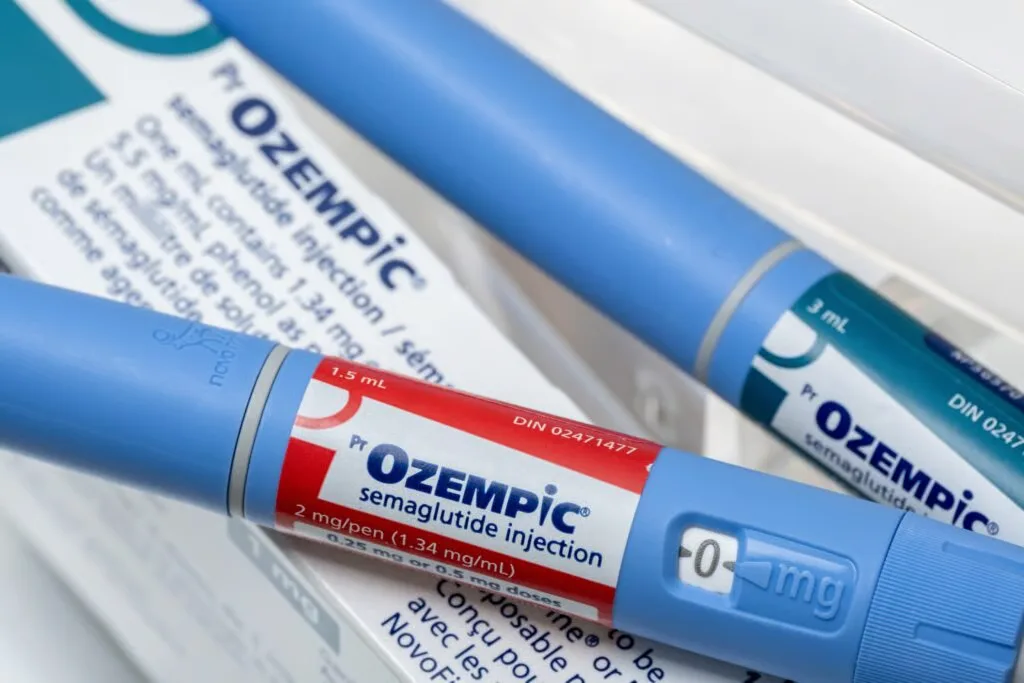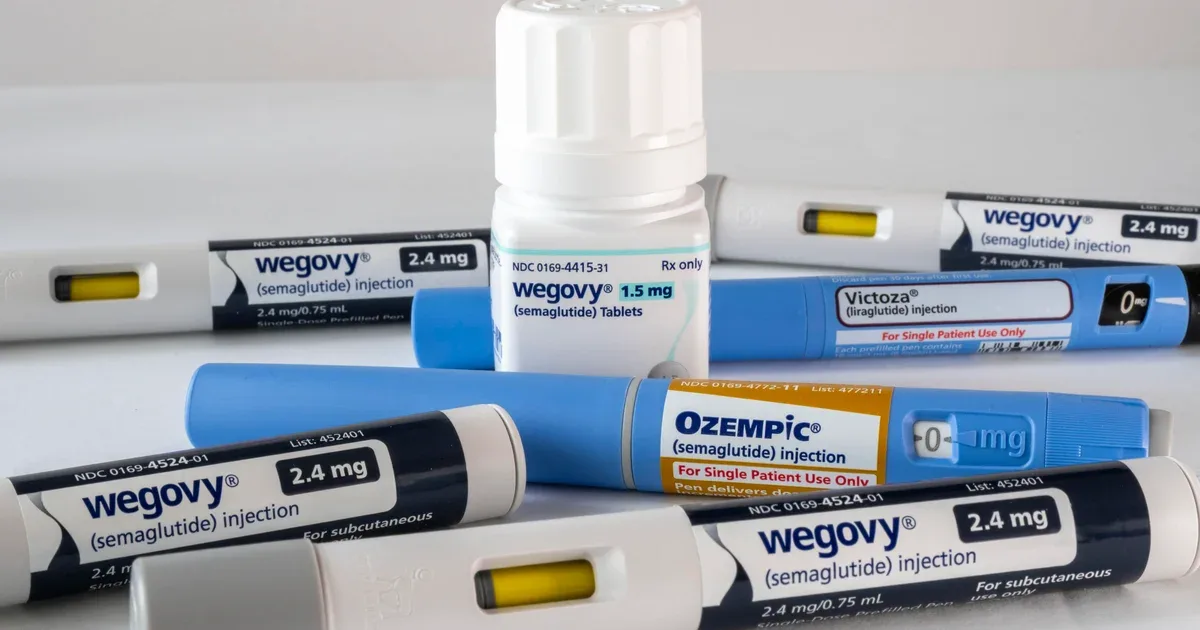

In Canada, the buzz around generic Ozempic—or more precisely, generic semaglutide—is growing among patients without drug coverage. These individuals, often seniors or those without private insurance, are struggling with the high costs of GLP-1 medications like Ozempic for weight loss. As public drug plans limit coverage to diabetes patients, many are pinning hopes on Health Canada's review of nine generic versions to make treatment affordable.
Real Patient Stories: The Human Cost of Ozempic Access
Anne Welch, a 77-year-old retiree from Paris, Ontario, embodies the frustration felt by many. After retiring at 71 from her physically demanding job at the local SPCA—lifting pets, cleaning kennels, and walking dogs—Welch saw her weight pile on, exacerbated by an underactive thyroid. "The weight just started piling on," she shared in an interview.
Despite efforts like avoiding sweets and eating salads, Welch battles cravings and emotional lows. "(I'm) definitely feeling very down at times because I try so hard," she said. She believes weight loss could alleviate her back issues and other health problems. When she asked her doctor about Ozempic, the response was positive: the GLP-1 medication would be helpful, and her doctor was "more than happy to prescribe it."
"I'm sure that my back issues and my other issues would be helped by me being able to lose weight," Welch said.
However, without diabetes—the only Health Canada-approved condition for Ozempic under the Ontario Drug Benefit program for seniors 65+—coverage was denied. Living on a fixed income from Canada Pension Plan and Old Age Security, Welch can't afford the few hundred dollars per month out-of-pocket. It's particularly frustrating watching her husband, Steve, lose 30 to 40 pounds on Ozempic and maintain it, thanks to his diabetes diagnosis and provincial coverage.
Brenda Rogers, a 53-year-old online business manager in Vancouver with diabetes, faces similar barriers. After losing her job in December and her drug benefits, she's rationing her last doses of Mounjaro, a rival GLP-1 from Eli Lilly. "My body is adjusting to the lower dose. It's not ideal as I'm noticing increased hunger but I'm happy to still have some medication," Rogers said. Both Ozempic (which she used previously) and Mounjaro have been "life-changing" alongside diet and exercise, improving her sleep, eating, movement, and thinking.
Her passion? Accessibility. "My big passion is accessibility and affordability for getting these medications, because now I don't have the job with the extended benefits, so now what happens with my whole health journey?"
Cost Barriers: Why Ozempic Drives Up Public Spending
Ozempic has exploded in demand, becoming Canada's largest single medication driver of public prescription spending. According to Canadian Institute for Health Information (CIHI) data released in March, it accounted for $807 million of the $20.1 billion total public drug spend.
For non-diabetics seeking GLP-1s like Ozempic for obesity, cost is the biggest barrier, says Dr. Megha Poddar, endocrinologist and assistant clinical professor at McMaster University in Hamilton. Public plans across Canada, per CIHI, mirror Ontario's: coverage only for diabetes, not weight management.
This leaves many patients in limbo, especially those on fixed incomes or without private insurance—even some with diabetes.
GLP-1 Medications: How They Work for Weight Loss
Semaglutide, Ozempic's active ingredient, is a GLP-1 receptor agonist that mimics the glucagon-like peptide-1 hormone. It slows gastric emptying, reduces appetite, and promotes insulin secretion, leading to significant weight loss—often 15-20% of body weight in clinical use. While approved for type 2 diabetes, off-label use for obesity has surged, prompting calls for expanded access. Patients like Welch and Rogers highlight why affordability matters: sustained weight loss improves comorbidities like back pain, mobility, and metabolic health.
Generic Semaglutide: Approval Timeline and Challenges
Canada was set to pioneer generic semaglutide after Novo Nordisk's patent expired in January, making production legal. Nine generics are under Health Canada review, including one from India's Dr. Reddy's Laboratories, submitted early 2024.
Precision tracking for your journey
Join thousands using Shotlee to accurately track GLP-1 medications and side effects.
📱 Get the Shotlee App
Track your GLP-1 medications, peptides, and health metrics on the go with our mobile app!
"We are currently awaiting approval from the Canadian authority for our generic semaglutide and we will proceed with the launch in the region once the approval is received," a Dr. Reddy's spokesperson stated.
Health Canada spokesperson Marie-Pier Burelle confirmed they're "on track to meet review targets," with initial reviews around six months. However, generics are complex: Ozempic is a biologic-like synthetic needing proof of pharmaceutical equivalence, safety, and efficacy. Additional data requests can extend timelines.
India approved two generics in March after its patent expiry, but Canadian patients await local nods. Rogers hopes for summer availability; Welch is cautiously optimistic.
Expected Pricing: How Much Cheaper Will Generics Be?
Generic pricing follows the pan-Canadian Pharmaceutical Alliance structure, explains University of Toronto pharmaceutical policy expert Mina Tadrous:
- First generic: 75-85% of brand-name Ozempic price.
- Second generic: Both drop to 50%.
- Three or more: About 35% of brand price.
Welch hopes for under $150 monthly to "squeeze by." While exact affordability varies, experts like Dr. Poddar use generics talk to encourage patients: "We know that this isn't an option for you right now because of cost but it will likely be an option for you very soon."
Safety and Side Effects of Semaglutide
Generics must match Ozempic's profile: common side effects include nausea, vomiting, diarrhea, and constipation, often improving over time. Serious risks like pancreatitis or thyroid tumors are rare but monitored. Patients should discuss with doctors, especially non-diabetics, and consider tools like Shotlee for tracking symptoms, doses, and weight progress.
Comparisons: Ozempic vs. Mounjaro and Alternatives
Mounjaro (tirzepatide) offers dual GLP-1/GIP action, potentially greater weight loss, but faces similar coverage issues. Rogers switched between them based on availability. Alternatives like Wegovy (higher-dose semaglutide) are diabetes-unapproved and costly. Generics could level the field, prioritizing semaglutide's proven track record.
Practical Guidance: What Patients Should Do Now
Discuss with your doctor: Explore eligibility, even off-label, and monitor for coverage changes. Non-diabetics: Ask about obesity programs or trials.
Budget planning: Track expenses; generics may hit soon.
Lifestyle integration: Combine with diet/exercise for best results, as Rogers did.
Stay informed: Follow Health Canada updates.
Key Takeaways: What This Means for Canadian Patients
- Public coverage limits Ozempic to diabetes, leaving non-diabetics like Welch exposed to high costs.
- Generic semaglutide reviews are progressing, with pricing potentially 35-85% of brand.
- Patients without coverage ration doses or wait, underscoring affordability needs.
- GLP-1s transform health journeys but require accessible pricing for equity.
In conclusion, as Health Canada advances generic Ozempic approvals, patients like Welch and Rogers represent a call for change. Affordable semaglutide could expand metabolic health access, reducing burdens on public systems and improving lives. Consult your healthcare provider for personalized advice.