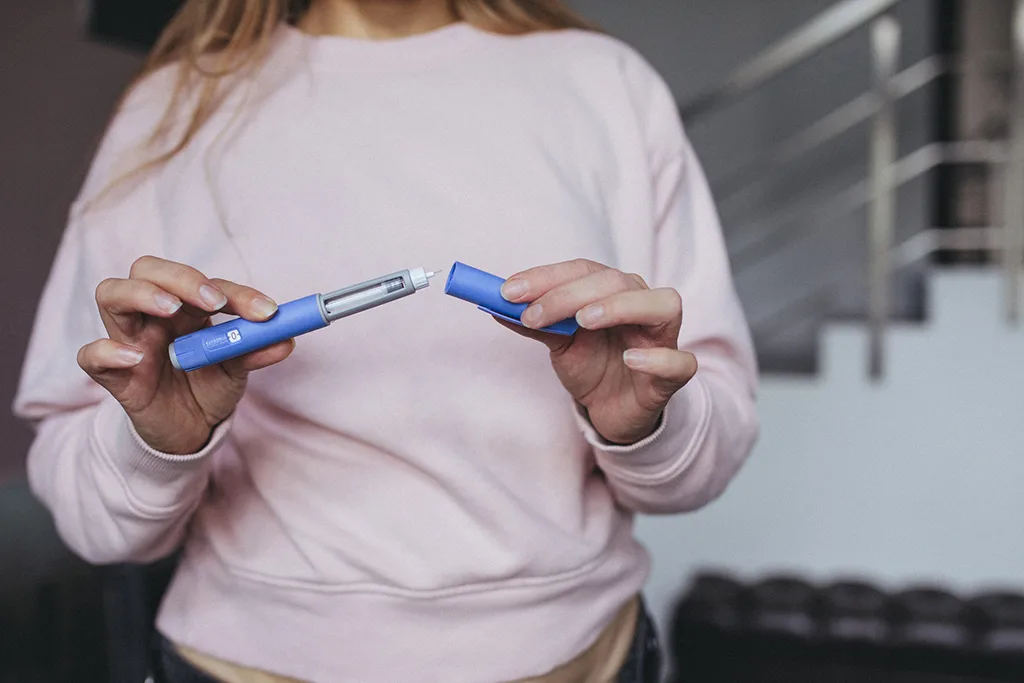
GLP-1 medications, such as semaglutide sold under brand names like Ozempic or Wegovy, have transformed metabolic health and weight management. However, alongside well-known effects like "Ozempic face" or gastrointestinal issues, a lesser-discussed concern has emerged: itchy skin potentially signaling an allergic reaction to GLP-1 drugs. Reports from patients on platforms like Reddit describe sudden hives and intense itching after starting or increasing doses, prompting renewed coverage in outlets like Vogue and The Daily Beast.
What Are GLP-1 Medications and How Do They Work?
GLP-1 receptor agonists mimic the glucagon-like peptide-1 hormone, which regulates blood sugar, slows gastric emptying, and promotes satiety. This mechanism aids in type 2 diabetes control and significant weight loss, making drugs like Ozempic and Wegovy popular. While nausea and fatigue are common side effects, skin-related issues like itchiness are rarer but noteworthy, especially as millions adopt these therapies for metabolic health.
Understanding the mechanism helps contextualize side effects: these injectable peptides interact with the immune system and body composition changes, potentially triggering skin responses in susceptible individuals.
Patient Reports of Itchy Skin from GLP-1 Medications
For years, social media has buzzed with anecdotes. "I'm on my highest dose of the Ozempic, and suddenly yesterday I have hundreds of raised round itchy bumps. All over my body," wrote one Reddit user. Another shared, "I took my second dose...and a couple hours later felt like I had been attacked by mosquitoes." These threads, some dating back three years, highlight widespread but under-discussed experiences with GLP-1-associated itchiness.
Recent articles in Vogue and The Daily Beast have amplified these stories, drawing attention to how semaglutide and similar drugs may cause hives or generalized itching, often shortly after injection.
Expert Insights on GLP-1 Itchiness
Meet the experts: Gary Goldenberg, MD, assistant clinical professor of dermatology at Icahn School of Medicine at Mount Sinai Hospital; Ife J. Rodney, MD, founding director of Eternal Dermatology + Aesthetics; Mir Ali, MD, medical director of MemorialCare Surgical Weight Loss Center at Orange Coast Medical Center in Fountain Valley, California.
"In my practice, only a few patients have reported itchy skin while on GLP-1 medications," says Mir Ali, MD, medical director of MemorialCare Surgical Weight Loss Center at Orange Coast Medical Center in Fountain Valley, CA. "I have actually observed this complaint more frequently among surgical weight loss patients," Ali notes.
Ife J. Rodney, MD, the founding director of Eternal Dermatology + Aesthetics, also adds that she hasn't seen many cases of itchy skin among her patients on GLP-1 medications like Ozempic.
Experts agree it's uncommon but possible, urging vigilance for those on these therapies.
Possible Causes of Itchy Skin with GLP-1 Medications
Hypersensitivity or Allergic Reactions
"Patients may develop a hypersensitivity -- an allergy -- to the medication, which can manifest as hives or itching skin," says Gary Goldenberg, MD, assistant clinical professor of dermatology at Icahn School of Medicine at Mount Sinai Hospital. The American Academy of Allergy, Asthma & Immunology (AAAAI) notes that this can happen because your body recognizes the medication as a foreign substance and mounts an immune response against it.
Allergic reactions to GLP-1s can be immediate or delayed, appearing days to months after starting.
Rapid Weight Loss and Hormonal Shifts
"Weight loss itself, especially if rapid, can cause itching," Goldenberg says. Ali agrees, adding that "significant weight loss in general can lead to itchy skin due to nutritional and hormonal changes."
Precision tracking for your journey
Join thousands using Shotlee to accurately track GLP-1 medications and side effects.
📱 Get the Shotlee App
Track your GLP-1 medications, peptides, and health metrics on the go with our mobile app!
GLP-1 drugs often induce quick fat and muscle loss, altering skin elasticity and hydration levels, which can exacerbate dryness and itch.
Dietary and Nutritional Changes
Nutrition can also play a role here, Rodney says. "Shifts in your diet, including fewer fatty acids and less water, can contribute to dryness of your skin," she explains. Patients on calorie-restricted plans alongside GLP-1s may experience drier skin, mimicking or worsening itchiness.
Injection Site Reactions
Some patients report localized itch at the injection site, especially in cases where people injected the same area repeatedly, Rodney points out. Rotating sites as recommended can mitigate this.
Signs of a Mild Allergic Reaction to GLP-1 Medications
While any itchiness is uncomfortable, it's especially concerning when it results from an allergic reaction. These are the biggest signs of a mild allergic reaction from a GLP-1, according to the AAAAI:
- Itchy skin or hives
- Raised bumps
Keep in mind: more severe allergic reactions may cause swelling of the face or lips, trouble breathing, and dizziness or fainting, per the AAAAI. While severe allergic reactions can be immediate (appearing within two hours of taking the medication), in some cases, people may have a delayed reaction that takes a few days to a few months to appear.
Managing and Preventing GLP-1-Associated Itchiness
It can be tough to avoid GLP-1-associated skin itch entirely, especially since doctors don't know who will experience this. Ultimately, the best way to avoid the itchy side effect depends on what's behind it.
If you suspect you're experiencing an allergic reaction, contact your doctor immediately to discuss next steps. "If the itchiness is due to a mild allergy, an antihistamine may provide relief," Ali says. "However, if symptoms persist or worsen, it may be necessary to discontinue the medication."
But if this is more about skin changes, Goldenberg says it's crucial to focus on internal and external hydration -- meaning, drink plenty of water and grab an unscented moisturizer. "Using an appropriate skin cleanser and moisturizer is very important in general," he says. "For those on GLP-1 medications, it may be even more important."
Practical tips for patients:
- Rotate injection sites to prevent localized reactions.
- Maintain a balanced diet with adequate fats and hydration.
- Monitor symptoms daily; apps like Shotlee can help track itchiness patterns alongside doses and weight changes.
- Discuss with your doctor before starting antihistamines or topicals.
For those considering GLP-1s, weigh benefits against rare sides; alternatives like other peptides or lifestyle interventions exist but may lack comparable efficacy.
Key Takeaways: What This Means for GLP-1 Patients
- Itchy skin from GLP-1s like Ozempic is rare but reported, often linked to allergies, weight loss, or dryness.
- Consult your doctor for persistent symptoms; antihistamines or discontinuation may be needed.
- Prioritize hydration, moisturizers, and site rotation for prevention.
- Severe signs like swelling or breathing issues require emergency care.
Conclusion
Ultimately, if you're noticing skin itching that you think might be related to a GLP-1, it's a good idea to check in with your prescribing doctor. They can guide you on the next steps from there -- and hopefully, recommend a treatment that brings you more relief and less itching. Staying informed empowers better metabolic health journeys with these powerful medications.