
Shotlee LogoShotlee
Blog
Download on theApp Store
Get it onGoogle Play
Skip to main content
Boston Mayor Wu, Unions Limit GLP-1 Coverage for Weight Loss Drugs - Featured image
Healthcare Policy

Boston Mayor Wu, Unions Limit GLP-1 Coverage for Weight Loss Drugs

Dr. Adrian Vale, MD
Reviewed by Dr. Adrian Vale, MDInternal Medicine · Board-Certified Obesity Medicine
·5 min read

On this page

  • Boston Strikes Deal to Curb GLP-1 Weight Loss Drug Coverage Costs
  • Understanding GLP-1 Drugs and Their Role in Weight Loss
  • The Negotiation Backstory: From Rejection to Agreement
  • Broader Budget Context Driving the GLP-1 Coverage Limits
  • Comparing Boston's Approach to National Trends
  • Key Takeaways: What This Means for Patients and Policymakers
  • Conclusion: A Model for Managing GLP-1 Costs
  • Why Prior Authorization for GLP-1 Weight Loss Coverage?
  • Implications for City Employees and Retirees

Track Smart

Calculate active GLP-1 levels automatically with Shotlee.

Download →

Boston Mayor Michelle Wu announced a deal with unions to implement prior authorization for GLP-1 weight loss drugs like Ozempic and Wegovy, saving the city $10.6 million. This move addresses skyrocketing health costs that threatened 22.6% premium hikes. City workers must now get approval for coverage on these popular obesity treatments.

Share

On this page

  • Boston Strikes Deal to Curb GLP-1 Weight Loss Drug Coverage Costs
  • Understanding GLP-1 Drugs and Their Role in Weight Loss
  • The Negotiation Backstory: From Rejection to Agreement
  • Broader Budget Context Driving the GLP-1 Coverage Limits
  • Comparing Boston's Approach to National Trends
  • Key Takeaways: What This Means for Patients and Policymakers
  • Conclusion: A Model for Managing GLP-1 Costs
  • Why Prior Authorization for GLP-1 Weight Loss Coverage?
  • Implications for City Employees and Retirees

Boston Strikes Deal to Curb GLP-1 Weight Loss Drug Coverage Costs

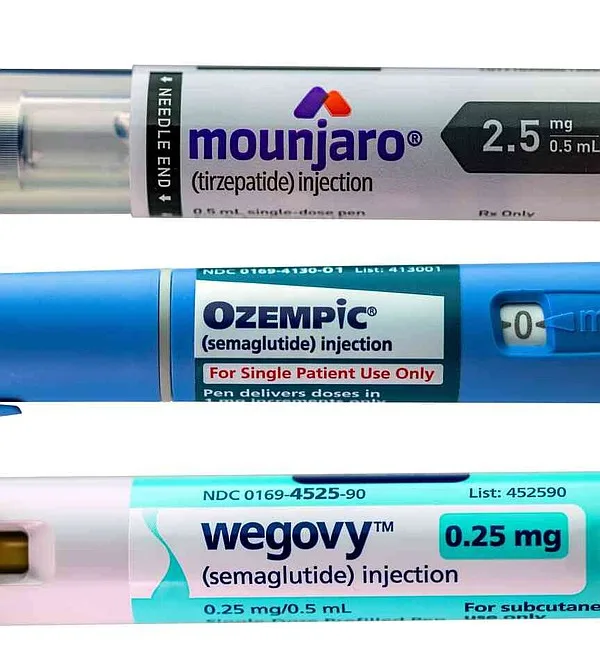
In a significant move to tackle escalating healthcare expenses, Boston Mayor Michelle Wu and City Hall unions have reached an agreement to limit coverage of GLP-1 weight loss drugs. The deal introduces a utilization management system requiring prior authorization for drugs like Ozempic and Wegovy when used for weight loss. This unanimous decision by the Public Employee Committee (PEC) is projected to save the city roughly $10.6 million, helping to stabilize premiums for non-Medicare health plans.

"Amid one of the most challenging budget environments in recent years, this agreement reflects the strength of our labor-management partnership and what's possible when the city and our unions work side by side," Wu and PEC Chair Elissa Cadillic said in a joint statement. "Together, we are taking steps to responsibly manage rising costs while protecting the health care coverage that our workforce depends on, and the high-quality core city services that our residents deserve."

Understanding GLP-1 Drugs and Their Role in Weight Loss

GLP-1 receptor agonists, such as semaglutide (found in Ozempic and Wegovy), mimic the glucagon-like peptide-1 hormone to regulate blood sugar, slow gastric emptying, and reduce appetite. Originally approved for Type 2 diabetes management, these medications have gained massive popularity for obesity treatment due to average weight loss of 15-20% in clinical trials. However, their off-label use as appetite suppressants by non-diabetic individuals has driven demand, contributing to Boston's healthcare cost surge.

The city's health plan covers roughly 55,000 employees, families, and retirees. Without intervention, increased GLP-1 prescriptions for weight loss would exacerbate budget pressures, with health insurance rates for non-Medicare plans facing a 22.6% increase over FY26—the highest in recent history, according to Chief Financial Officer Ashley Groffenberger.

Why Prior Authorization for GLP-1 Weight Loss Coverage?

Prior authorization requires healthcare providers to submit documentation proving medical necessity, such as a BMI over 30 or comorbidities like hypertension, before insurance approves GLP-1 drugs for weight loss. This targets non-diabetic use while preserving access for approved indications like Type 2 diabetes. Boston's implementation, effective July 1, mirrors strategies in other public sectors to control costs without outright eliminating coverage.

The Negotiation Backstory: From Rejection to Agreement

The path to this deal was not smooth. On March 9, the PEC initially rejected the city's utilization management proposal, citing doubts about cost savings and fears it could expand to other medications. PEC Chair Cadillic expressed concerns that negotiating health costs mid-contract—set to expire June 30, 2027—was atypical.

Cadillac proposed a counter-offer: delay implementation to January 1, 2027, and extend the health cost contract by a year. However, pressure from unions like SEIU Local 888, led by President Thomas McKeever, shifted dynamics. McKeever warned that rejecting the deal could lead to layoffs, especially impacting low-wage workers. "If we don't have those discussions, then the majority of citywide unions will be facing layoffs, and sincerely that would really impact my members," McKeever told the Herald.

Precision tracking for your journey

Join thousands using Shotlee to accurately track GLP-1 medications and side effects.

📱 Get the Shotlee App

Track your GLP-1 medications, peptides, and health metrics on the go with our mobile app!

Download on theApp Store
Get it onGoogle Play

The agreement sticks to the city's original timeline, avoiding the state's more drastic approach. Last month, the Commonwealth's Group Insurance Commission voted to eliminate GLP-1 coverage for state employees entirely—a path Wu's administration explicitly avoided.

Broader Budget Context Driving the GLP-1 Coverage Limits

Boston faces a perfect storm: healthcare costs rising amid 1.5-2.5% projected revenue growth for FY26, mounting inflation, and FY27 pressures. Groffenberger described health costs as "skyrocketing," with potential premium hikes "deeply felt by the city and across our workforce." The Wu administration has already frozen spending, delayed hiring, directed 2% budget trims, and plans further cuts for FY27.

The savings from GLP-1 limits will be reinvested to minimize service reductions. This labor-management collaboration highlights a pragmatic response to fiscal challenges while maintaining essential coverage.

Implications for City Employees and Retirees

For Boston's 55,000 covered lives, prior authorization means discussing GLP-1 eligibility with doctors. Those with Type 2 diabetes may face fewer hurdles, but weight loss-only prescriptions require justifying failure of lifestyle interventions or other therapies. Patients might explore alternatives like metformin, phentermine, or bariatric options, or use apps like Shotlee to track symptoms and medication adherence during transitions.

Safety considerations remain key: GLP-1 drugs carry risks like nausea, pancreatitis, and thyroid concerns. Prior auth ensures appropriate use, potentially reducing adverse events from unsupervised off-label prescribing.

Comparing Boston's Approach to National Trends

Boston's targeted limits align with growing scrutiny on GLP-1 costs. Nationally, employer plans and insurers like CVS Caremark impose step therapy or exclusions for weight loss. Unlike Massachusetts state employees' full cutoff, Boston preserves access via gates, balancing affordability and equity. This could influence other municipalities facing similar pressures from GLP-1 demand.

Key Takeaways: What This Means for Patients and Policymakers

  • Savings Achieved: $10.6 million through prior authorization starting July 1.
  • Coverage Protected: GLP-1s remain available for diabetes; weight loss requires proof of need.
  • Budget Relief: Averts 22.6% premium spike, supports city services.
  • Union Role: Collaborative deal amid internal debates preserves jobs.
  • Patient Action: Consult providers early; document BMI, comorbidities, and prior treatments.

Conclusion: A Model for Managing GLP-1 Costs

Boston Mayor Wu's deal with unions exemplifies responsible stewardship amid GLP-1 weight loss drug coverage challenges. By implementing prior authorization for Ozempic, Wegovy, and similar medications, the city safeguards fiscal health without denying essential care. Employees should engage doctors proactively, weigh benefits against alternatives, and monitor health metrics closely. This story underscores the need for sustainable policies as metabolic therapies reshape healthcare economics.


?Frequently Asked Questions

What GLP-1 drugs are affected by Boston's new coverage policy?

Drugs like Ozempic and Wegovy require prior authorization for weight loss treatment under the City of Boston's health plan, while coverage for Type 2 diabetes remains more straightforward.

When does prior authorization for GLP-1 weight loss drugs start in Boston?

The utilization management system takes effect on July 1, as agreed between Mayor Wu and the Public Employee Committee.

How much will Boston save from limiting GLP-1 coverage?

The deal is expected to save the city roughly $10.6 million in health insurance costs for its 55,000 covered employees, families, and retirees.

Why did Boston unions initially resist GLP-1 coverage limits?

The PEC cited skepticism on savings, concerns over expansion to other drugs, and the mid-contract timing, but agreed after union pressure to avoid premium hikes and layoffs.

What must Boston employees do to get GLP-1 approval for weight loss?

Providers must submit prior authorization showing medical necessity, such as high BMI or failed prior treatments, to qualify under the new policy.

Source Information

Originally published by ArcaMax.Read the original article →

Read next

Keep exploring

More on Ozempic

Articles covering Ozempic dosing, side effects, and clinical updates.

Ozempic Price Cut: Generic Semaglutide Arrives in Canadian Pharmacies
Health & Wellness

Ozempic Price Cut: Generic Semaglutide Arrives in Canadian Pharmacies

Two generic versions of Ozempic have arrived in Canadian pharmacies, offering diabetes and weight loss patients significant cost savings compared to the brand-name medication.

7 min read
Retatrutide Breaks Records: What Phase 3 TRIUMPH-1 Data Means
Health & Wellness

Retatrutide Breaks Records: What Phase 3 TRIUMPH-1 Data Means

Eli Lilly's Retatrutide has shown remarkable weight loss potential in Phase 3 trials. We break down the TRIUMPH-1 results, safety data, and what patients can expect.

9 min read
Driving on Ozempic & Mounjaro: Avoiding the £1,000 DVLA Fine
Health & Wellness

Driving on Ozempic & Mounjaro: Avoiding the £1,000 DVLA Fine

New regulations warn that GLP-1 medication users could face significant fines if side effects impair driving. Here is the complete guide to staying safe and compliant.

8 min read

Same topic: GLP-1 Medications

All GLP-1 Medications articles →
Beyond the Scale: Tracking GLP-1 Success with Advanced Health Monitoring
Health Technology

Beyond the Scale: Tracking GLP-1 Success with Advanced Health Monitoring

GLP-1 medications like Ozempic and Wegovy are transforming weight management, but understanding your body's response is key. Learn how innovative health monitors can help you track progress and manage side effects effectively.

7 min read
GLP-1 Weight Loss Drugs: Impact on Food Industry & Your Diet
Health & Wellness

GLP-1 Weight Loss Drugs: Impact on Food Industry & Your Diet

New market data suggests a unique opportunity for protein-focused brands as GLP-1 therapies alter consumer eating habits. Learn how this shift affects your health strategy.

7 min read
Beyond 'Ozempic Teeth': Understanding and Managing 'Ozempic Breath'
Health & Wellness

Beyond 'Ozempic Teeth': Understanding and Managing 'Ozempic Breath'

The rise of GLP-1 medications like Ozempic and Mounjaro has brought about new conversations around their side effects, including the emerging concern of 'Ozempic breath.' This article delves into the causes, implications, and effective management strategies for this common issue.

7 min read

More in Healthcare Policy

Supreme Court Ruling: Medicare Drug Price Negotiations Move Forward
Healthcare Policy

Supreme Court Ruling: Medicare Drug Price Negotiations Move Forward

In a significant victory for healthcare cost containment, the Supreme Court has allowed Medicare to proceed with negotiating drug prices. This decision upholds a key provision of the Inflation Reduction Act and could impact the cost of many prescription medications, including widely used GLP-1 agonists.

6 min read
Share this article
  1. Home
  2. Blog
  3. Boston Mayor Wu, Unions Limit GLP-1 Coverage for Weight Loss Drugs
Dr. Adrian Vale, MD — Internal Medicine · Board-Certified Obesity Medicine
Medically reviewed

Dr. Adrian Vale, MD

Internal Medicine · Board-Certified Obesity Medicine

Dr. Adrian Vale is a board-certified internal medicine physician with a clinical focus on obesity medicine and metabolic health. He reviews Shotlee guides and articles on GLP-1 medications, peptide therapy, and weight-management protocols for clinical accuracy.

View all articles reviewed by Dr. Adrian Vale, MD
Shotlee LogoShotlee

Your comprehensive health tracking companion. Track, analyze, and optimize your journey with advanced metrics and community support.

Product

  • Medication Trackers
  • Health Guides
  • Calculators
  • Compare Medications
  • Pricing

Resources

  • Health Blog
  • Support Center

Legal

  • Privacy Policy
  • Terms of Service
  • Community Guidelines
  • Refund Policy

© 2026 Shotlee. All rights reserved.

Made with for the community♥ for the community