
The Rise of GLP-1 Medications and the Quest for Sustained Weight Loss
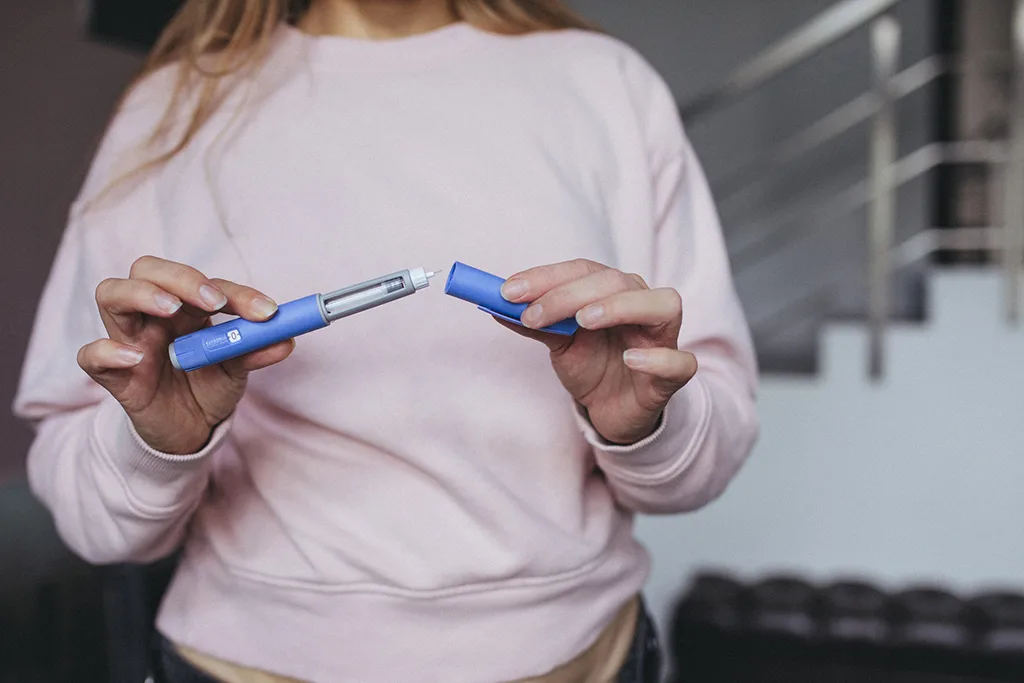
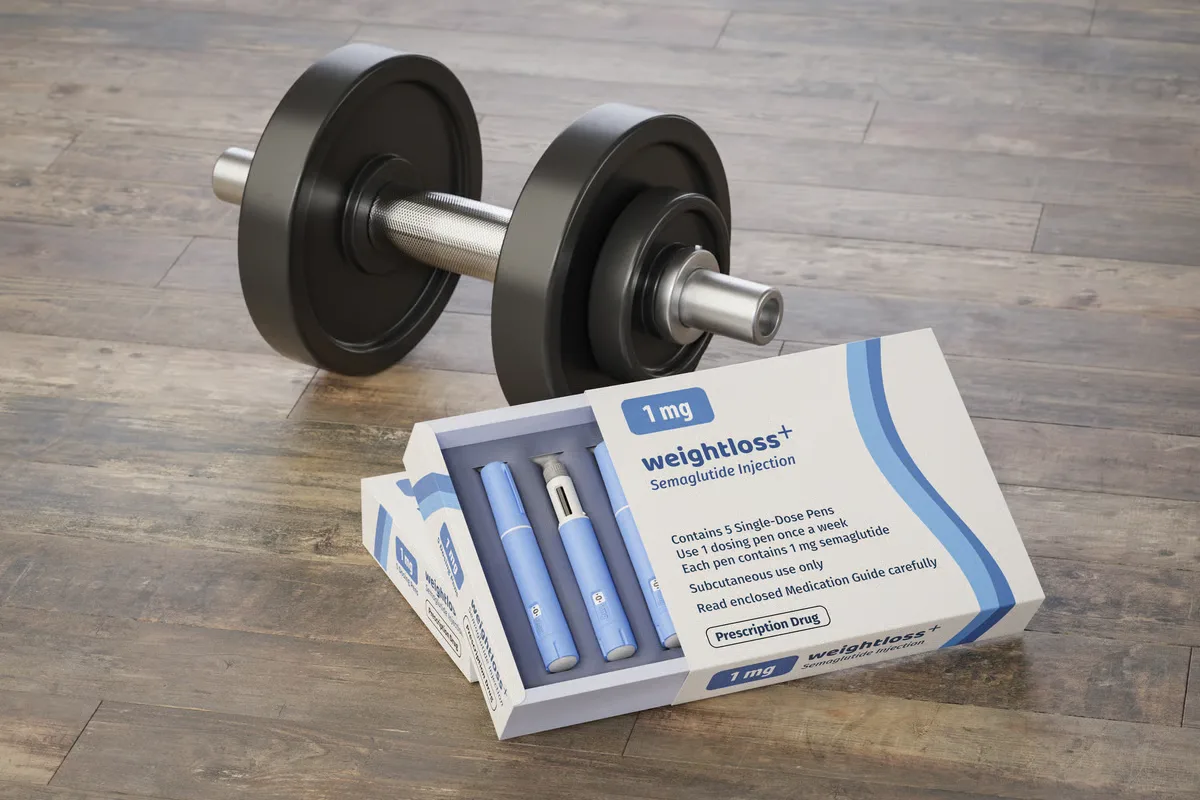
In recent years, medications like semaglutide (Ozempic, Wegovy) and tirzepatide (Mounjaro) have revolutionized weight management, offering unprecedented results for many. These GLP-1 receptor agonists mimic the action of a natural hormone, significantly curbing appetite and promoting a feeling of fullness. For some, this translates to a remarkable reduction of up to 20% of their body weight. However, the journey isn't always linear. Many individuals find that their weight loss can plateau after a few months, or that maintaining these results long-term proves challenging.
This is where the conversation shifts from solely relying on prescription medications to a more holistic approach. Experts are increasingly highlighting the role of accessible, evidence-backed dietary strategies that can complement these powerful drugs. One such strategy involves a humble yet potent supplement: psyllium husk. This natural fiber source is emerging as a key player in enhancing the efficacy of GLP-1 medications and supporting sustainable weight maintenance.
Understanding GLP-1 Medications and the Role of Fiber
To appreciate how psyllium husk can help, it's crucial to understand how GLP-1 medications work. Initially developed for type 2 diabetes management, drugs like Ozempic and Mounjaro are now widely prescribed for weight loss. They function by mimicking the body's natural glucagon-like peptide-1 (GLP-1) hormone. This hormone, produced in the gut after eating, signals to the brain that you are full, thereby reducing appetite and slowing down gastric emptying.
The effectiveness of these injections, while significant, is often amplified when coupled with a well-structured diet. Experts emphasize that these medications are not a “silver bullet” and require a foundation of healthy eating habits to achieve optimal outcomes. A cornerstone of such a diet is fiber. Found abundantly in fruits, vegetables, nuts, seeds, legumes, and whole grains, fiber plays a critical role in satiety, digestive health, and overall well-being.
Despite its known benefits, a significant portion of the adult population struggles to meet the recommended daily fiber intake. In the UK, for instance, around 96% of adults fall short of the recommended 30 grams per day. This deficiency can hinder weight loss efforts, even for those using advanced medications.
Psyllium Husk: The Affordable Satiety Booster
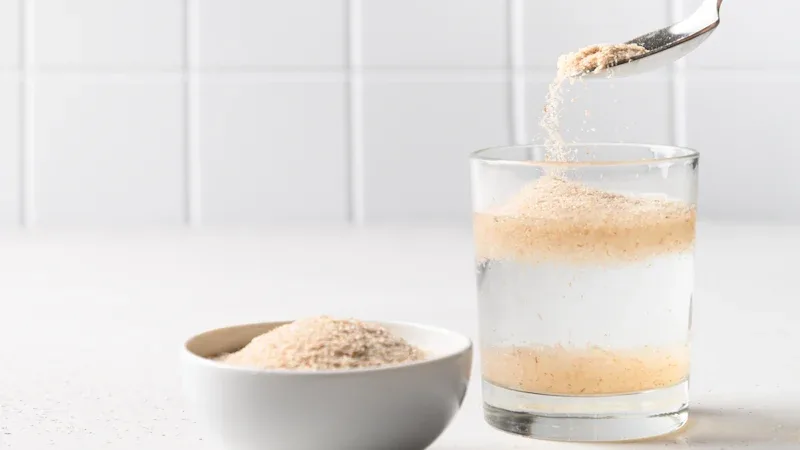
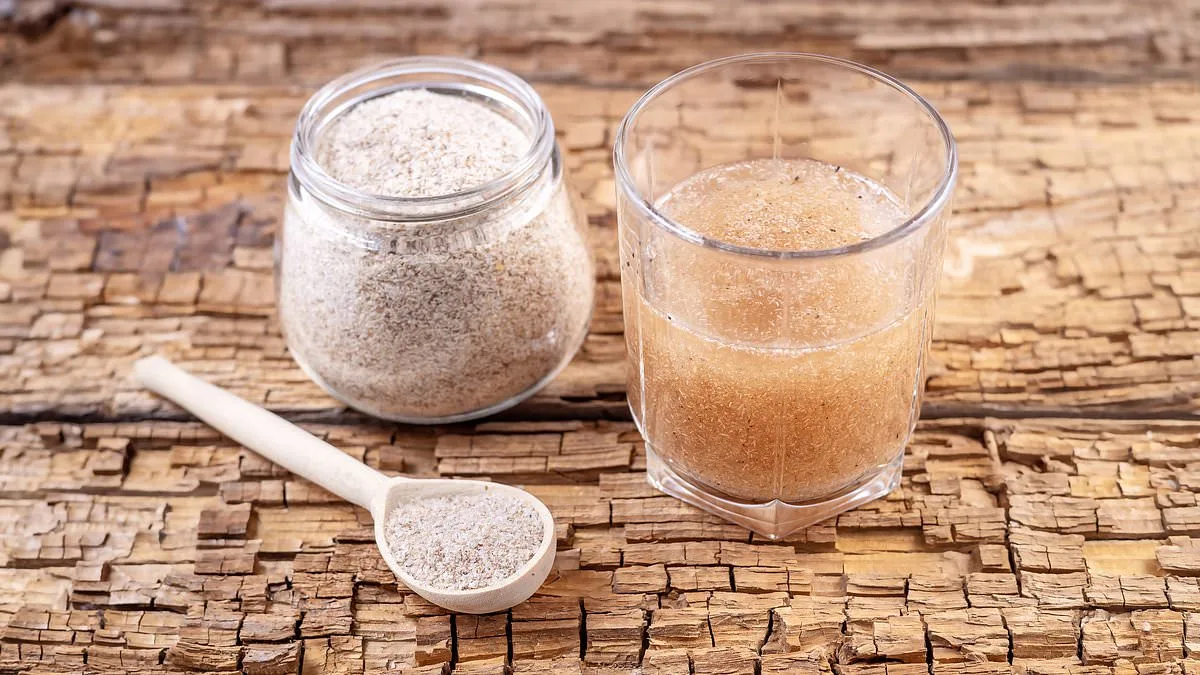
This is where psyllium husk shines. Sourced from the outer shells of the seeds of the Plantago ovata plant, psyllium husk is a soluble fiber that has been extensively researched for its health benefits. It’s readily available as a powder or in capsule form and is one of the most effective and affordable ways to significantly boost daily fiber intake.
The primary mechanism by which psyllium husk aids weight management is its remarkable ability to absorb water. When consumed with sufficient fluids, it swells to form a thick, viscous gel in the digestive tract. This gel:
- Increases Satiety: By occupying space in the stomach, the gel promotes a prolonged feeling of fullness, mimicking the satiety signals that GLP-1 medications provide. This naturally reduces the urge to overeat and helps control appetite.
- Slows Digestion: The gel-like consistency can also slow down the rate at which food moves through the digestive system, further contributing to sustained energy release and reduced hunger pangs.
John Lukey, a registered nutritionist at King's College London, explains, "Psyllium husk, renowned for its extensive research, offers an extremely effective approach for users. It increases feelings of satiety [fullness], reducing the likelihood of overeating and helping regulate appetite. In combination with the jabs it can be quite a potent mix."
Evidence Supporting Psyllium Husk for Weight Loss and Cholesterol
The benefits of psyllium husk are not merely anecdotal; scientific studies provide robust evidence for its efficacy. Research indicates that psyllium husk can contribute to weight loss even when used independently of GLP-1 medications.
Precision tracking for your journey
Join thousands using Shotlee to accurately track GLP-1 medications and side effects.
📱 Get the Shotlee App
Track your GLP-1 medications, peptides, and health metrics on the go with our mobile app!
A 2023 review published in the Journal of the American Association of Nurse Practitioners found that overweight and obese adults who consumed psyllium husk before meals experienced an average weight loss of over 2 kilograms (approximately 4.4 pounds) in less than five months. This demonstrates its direct impact on reducing caloric intake by enhancing feelings of fullness.
Beyond weight management, psyllium husk also offers significant cardiovascular benefits. A 2018 meta-analysis revealed that a daily intake of just ten grams of psyllium husk was sufficient to significantly reduce levels of LDL cholesterol, often referred to as “bad” cholesterol. High LDL cholesterol is a major risk factor for the buildup of plaque in arteries, which can lead to heart attacks and strokes.
| Benefit Area | Mechanism | Evidence |
|---|---|---|
| Weight Loss | Forms a gel, increasing satiety and reducing appetite. | Studies show average loss of over 2kg in < 5 months when taken before meals. |
| Cholesterol Reduction | Binds to bile acids, promoting their excretion and lowering LDL cholesterol. | 10g daily intake significantly reduced 'bad' cholesterol in a meta-analysis. |
| Appetite Regulation | Promotes prolonged fullness, curbing overeating. | Nutritional experts highlight its role in enhancing satiety alongside GLP-1 drugs. |
Synergistic Effects: Psyllium Husk and GLP-1 Medications
The true power of psyllium husk may lie in its synergistic relationship with GLP-1 medications. While these injections are highly effective at reducing appetite, they work best when supported by dietary strategies that promote sustained satiety and healthy eating patterns. Psyllium husk acts as an excellent dietary partner by:
- Bridging the Gap: When weight loss on GLP-1 drugs begins to plateau, psyllium husk can help reignite progress by further enhancing feelings of fullness and reducing cravings.
- Supporting Long-Term Maintenance: As individuals aim to reduce their reliance on or eventually discontinue GLP-1 medications, building a strong foundation of dietary fiber is crucial. This helps retrain the body's natural appetite regulation mechanisms, making weight maintenance more achievable. Studies indicate that a significant portion of weight lost on these drugs can be regained within a year of stopping, underscoring the need for sustainable strategies.
- Optimizing Nutritional Intake: By promoting satiety, psyllium husk can help individuals make healthier food choices and consume a more nutrient-dense diet, which is essential for overall health and weight management.
Dr. Rubina Aktar, a neuroscientist at Queen Mary University of London, emphasizes the importance of consistency: "Psyllium tends to be most effective when used over several weeks and alongside plenty of water so that you stay well hydrated. This is especially relevant for those using weight-loss medications."
Practical Considerations for Using Psyllium Husk
While psyllium husk offers significant benefits, it's essential to use it correctly to maximize its effectiveness and avoid potential side effects. The key recommendations include:
- Hydration is Paramount: Psyllium husk absorbs large amounts of water. It is crucial to drink at least two full glasses of water with each dose. Insufficient water intake can lead to digestive discomfort or, in rare cases, blockages.
- Start Gradually: If you are new to psyllium husk, begin with a smaller dose and gradually increase it over several days to allow your digestive system to adjust.
- Consistency is Key: The benefits of psyllium husk, particularly for weight management, are most pronounced with consistent, long-term use. It typically takes several weeks to notice significant effects.
- Timing Matters: For weight loss, taking psyllium husk before meals can be most effective in promoting satiety.
- Listen to Your Body: Pay attention to how your body responds. If you experience any adverse effects, reduce the dose or consult with a healthcare professional.
For individuals on GLP-1 medications, integrating psyllium husk into their regimen can be a strategic move. Using a health tracking app like Shotlee can be invaluable for monitoring your psyllium husk intake, ensuring adequate water consumption, and observing how these habits correlate with your appetite levels and weight loss progress. Tracking your doses and any associated symptoms can provide valuable data for discussions with your healthcare provider.
Beyond Fiber: A Holistic Approach to Weight Maintenance
While psyllium husk is a powerful ally, it's part of a larger picture for sustainable weight management. Experts also stress the importance of adequate protein intake – vital for muscle building and satiety – and regular strength training. These components work together to preserve lean muscle mass, boost metabolism, and improve body composition.
Mr. Lukey adds, "Increasing fiber intake while on the medications will serve you when you come off them. No one wants to be on these drugs for life – and managing appetite through dietary means will always be better for long-term health. A daily psyllium husk supplement, alongside adequate protein and strength training, could ultimately make the difference between maintaining weight loss – or putting it all back on."
Conclusion
The advent of GLP-1 medications has offered new hope for individuals struggling with weight. However, achieving and maintaining significant weight loss requires a multifaceted approach. Psyllium husk, a scientifically validated and affordable fiber supplement, stands out as a potent tool to enhance the effectiveness of these medications, improve satiety, and support long-term weight maintenance. By understanding its mechanisms, incorporating it wisely into your diet, and combining it with other healthy lifestyle practices, you can build a more robust and sustainable path to achieving your health goals.