
1 in 10 Wegovy and Ozempic Users Lose Less Than 5% Body Weight
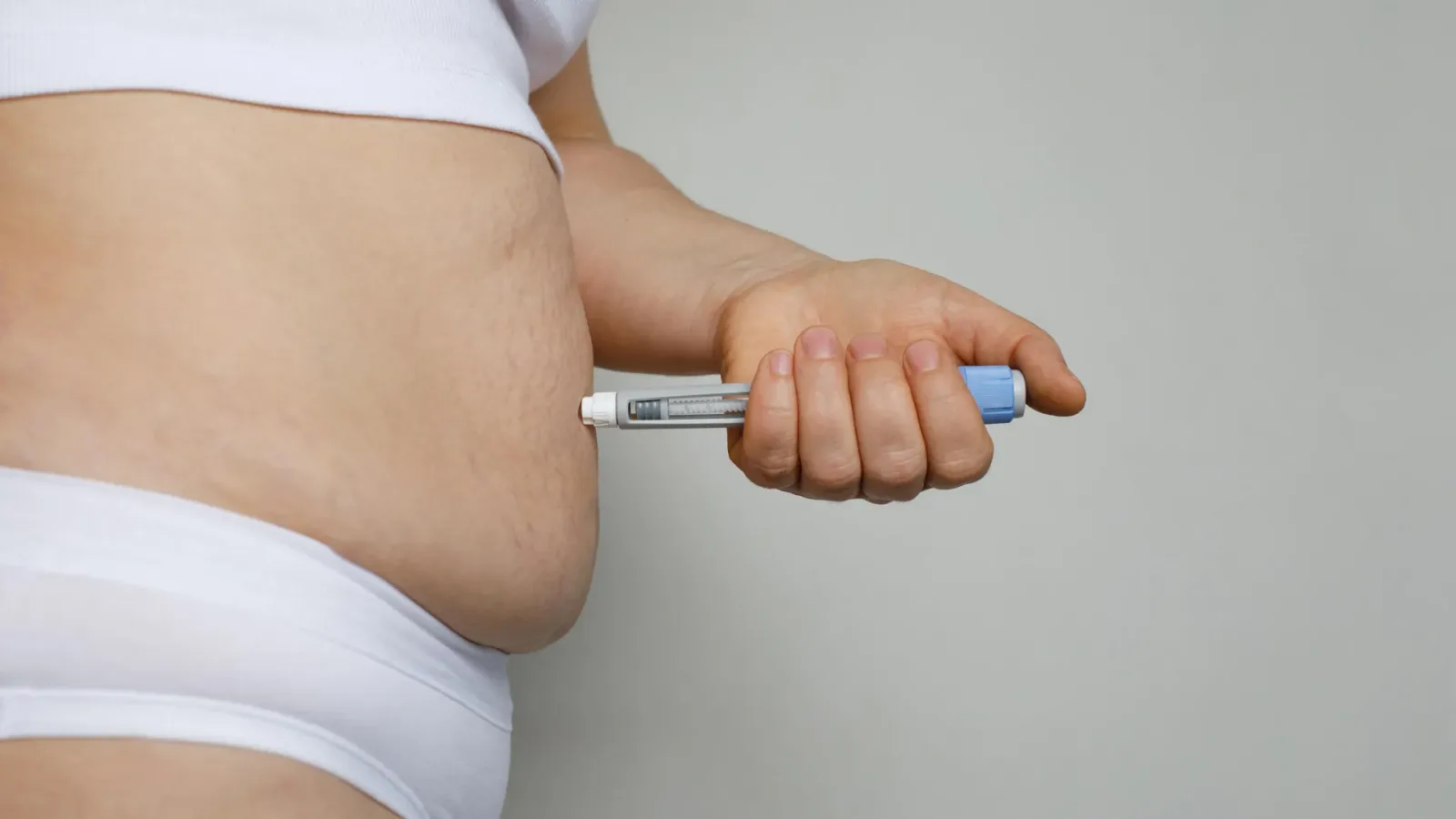
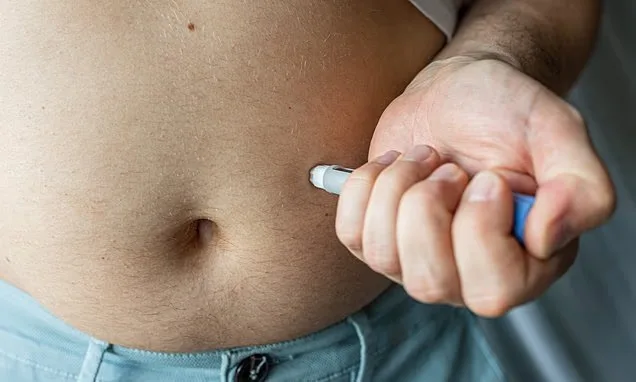
One in ten people using Wegovy and Ozempic, popular GLP-1 receptor agonists for weight management, are classified as 'non-responders' who lose less than 5% of their body weight, according to clinical trials. This finding underscores the variability in treatment outcomes amid soaring demand in the UK, where an estimated one in 50 adults now use these 'fat jabs.' Since the National Institute for Health and Care Excellence (NICE) approved Wegovy for weight loss on the NHS in 2023, prescriptions have surged, fueled by studies showing average weight reductions of 15 to 20 percent.
The Rise of GLP-1 Medications Like Wegovy and Ozempic
Wegovy and Ozempic, both containing the active ingredient semaglutide, have been hailed for helping individuals achieve substantial weight loss when traditional dieting fails. This led to pharmacy shortages and a proliferation of illicit online prescribers. However, not everyone experiences the dramatic results promised. The drugs mimic glucagon-like peptide-1 (GLP-1), a natural gut hormone released after eating that regulates blood sugar levels and appetite by signaling fullness to the brain and reducing hunger.
For many, this mechanism translates to reduced 'food noise'—the constant mental preoccupation with eating—and meaningful weight loss. Yet, clinical data reveals a lesser-discussed reality: about 10% of users fall into the non-responder category, achieving minimal weight reduction.
Real Patient Stories: When Expectations Meet Reality
Samantha Jess's Experience with Ozempic
Samantha Jess, 52, was prescribed Ozempic in 2020 to treat diabetes. At 16 stone, she anticipated losing up to 10% of her body weight as the medication was said to drown out food noise. 'I thought, "oh brilliant, I've been given a helping hand by the doctors,"' she told the Sunday Times. 'I thought Ozempic was going to do something magical.'
After eight months of weekly injections, Jess saw no weight loss—in fact, she reported gaining weight. 'Nothing was happening, I was still 16 stone. In fact, I was putting weight on,' she says. 'I still wanted to eat. It didn't take away the food noise, I'd still order a takeaway and think, "I'm on Ozempic, how is this even possible?"' Jess believes she is a non-responder, whose brain and body do not adequately react to semaglutide.
Niamh Shackleton's Wegovy Journey
In July of last year, after years of expensive exercise plans and on-off dieting, 29-year-old Niamh Shackleton, who is 5ft 3in and a dress size 14, started Wegovy via an online private prescription service. Meeting BMI criteria, she began with a low dose, gradually increasing to 2.4mg weekly. 'I remember telling my friends not to worry, that I wouldn't make myself super skinny,' she said. 'I thought the weight was going to fall off really quickly and that I'd have to be careful not to overdo it, but that didn't really happen.'
Over five months, Niamh lost approximately one stone—far less than expected. 'I thought I'd lose double that,' she says. 'I thought the weight would start dropping off as soon as I started taking the jabs.' The medication suppressed her sweet tooth, but her overall diet remained similar, compounded by recovery from a knee injury that limited exercise. 'I was a bit naive to be honest. They always say it's not about perfection, it's about consistency, so I was hoping that the odd pizza and wine night wasn't going to be detrimental to my progress,' she added.
Understanding Non-Responders: Science Behind Variable Responses
Professor Lora Heisler, an obesity researcher at Aberdeen University, explains: 'Obesity is not one disease and it's not caused by one thing, it's a mix of different biological mechanisms. GLP-1 based drugs target only one of those mechanisms, so they can work extremely well for many people, but not for everyone.'
Precision tracking for your journey
Join thousands using Shotlee to accurately track GLP-1 medications and side effects.
📱 Get the Shotlee App
Track your GLP-1 medications, peptides, and health metrics on the go with our mobile app!
Dr. Marie Spreckley, a weight management research specialist at Cambridge University, describes a 'spectrum of response.' Some individuals exhibit 'metabolic defence,' the body's survival mechanism that protects energy stores during calorie restriction by lowering energy expenditure. Professor Heisler attributes this partly to genetics: 'We're all built differently and some people have stronger, metabolic, protective mechanisms than others.'
Inconsistency in dosing also plays a role. GLP-1 drugs like Wegovy and Ozempic require weekly adherence, but side effects such as nausea and abdominal pain can lead to skipped doses, reducing efficacy.
How GLP-1 Agonists Work and Their Limitations
These medications bind to GLP-1 receptors in the brain and gut, slowing gastric emptying, enhancing insulin secretion, and curbing glucagon release to stabilize blood sugar. For weight loss, their primary effect is appetite suppression via hypothalamic signaling. While effective for many—demonstrated in trials with 15-20% average loss—they are not a standalone solution.
Dr. Spreckley warns against de-medicalizing these drugs: 'GLP-1 receptors are just an aid to dieting; they make sticking to a diet easier but the usual rules of eating protein and engaging in resistance training still apply. It's not magic.'
Practical Guidance for Patients on Wegovy or Ozempic
If you're considering or using Wegovy or Ozempic, discuss your response with your healthcare provider after 3-6 months. Track weight, appetite changes, and side effects meticulously—apps like Shotlee can help log symptoms, medication adherence, and progress for better doctor consultations. Combine therapy with a protein-rich diet, resistance training, and consistent exercise to counter metabolic defence.
Eligibility typically requires a BMI over 30 (or 27+ with comorbidities), but individual factors like genetics influence outcomes. Alternatives include other GLP-1s like tirzepatide (Mounjaro), which may target multiple pathways, or non-pharmacologic interventions if non-response occurs.
Safety Considerations and Common Side Effects
While effective, Wegovy and Ozempic carry risks including gastrointestinal issues (nausea, vomiting, diarrhea), which affect adherence in some non-responders. Rare concerns involve pancreatitis, gallbladder issues, and thyroid tumors in animal studies. Monitor for dehydration from GI effects and report persistent symptoms. Long-term data supports cardiovascular benefits in diabetics, but weight management use requires ongoing evaluation.
Key Takeaways for Wegovy and Ozempic Users
- Clinical trials indicate 1 in 10 users lose less than 5% body weight, due to non-responder status.
- Average responders achieve 15-20% reduction, but success demands diet, exercise, and adherence.
- Genetics, metabolic defence, and dosing consistency explain variability.
- Patient stories like Samantha Jess and Niamh Shackleton highlight realistic expectations.
- Consult professionals; these drugs aid, not replace, lifestyle changes.
What This Means for Patients and Providers
The hype around Wegovy and Ozempic as miracle cures overlooks the 10% non-responder rate. For optimal results, integrate pharmacotherapy with behavioral strategies. If minimal progress occurs, explore genetic testing, dose adjustments, or switches. This nuanced understanding empowers informed decisions in metabolic health management.