
Best Peptide for Immune System
Thymosin Alpha-1, LL-37, Thymalin & Epithalon — Ranked for Immune Function (2026)
Immune-optimising peptides work through distinct arms of the immune system: Thymosin Alpha-1 restores adaptive T-cell immunity (the most clinically validated, approved in 35+ countries); LL-37 strengthens innate antimicrobial defence; Thymalin regenerates thymic function depleted by aging; Epithalon reverses immune aging via telomere maintenance. Choosing the right immune peptide depends on whether the deficit is adaptive, innate, or aging-related. Track your immune protocol in Shotlee.
Top Immune System Peptides — Ranked by Evidence
| Peptide | Immune Arm Targeted | Best Evidence | Status | Evidence Level |
|---|---|---|---|---|
| Thymosin Alpha-1 | Adaptive: T-cell maturation, NK cell activation, Th1 cytokines | Approved in 35+ countries for hepatitis B/C, cancer adjunct, HIV | Approved (Zadaxin); research use in US/UK | ⭐⭐⭐⭐⭐Best |
| LL-37 | Innate: cathelicidin antimicrobial, TLR modulation, pathogen defence | Human innate immunity studies; respiratory/wound infection data | Research peptide | ⭐⭐⭐ |
| Thymalin | Thymic: T-lymphocyte precursor maturation, IL-2, NK activation | Approved in Russia for immunodeficiency, HIV, cancer support; Khavinson longevity studies | Approved (Russia); research elsewhere | ⭐⭐⭐⭐ |
| Epithalon | Immune aging: telomere maintenance in immune cells, NK cell activity | Phase 2: immune restoration in elderly; NK cell enhancement | Research peptide | ⭐⭐⭐ |
| KPV | Anti-inflammatory: NF-kB inhibition, immune balance, mucosal immunity | IBD/skin animal data; gut-immune modulation | Research only | ⭐⭐ |
| TB-500 (Thymosin Beta-4) | Repair: anti-inflammatory during healing, post-infection tissue repair | Phase 2 cardiac healing; broad tissue repair data | Research peptide | ⭐⭐⭐ |
Top Immune Picks Explained
Thymosin Alpha-1 (TA-1) — Adaptive Immunity
The most clinically validated immune peptide. Originally isolated from bovine thymus by Allan Goldstein in the 1970s. Approved as Zadaxin in 35+ countries for hepatitis B/C, cancer immunotherapy adjunct, and primary immunodeficiency. Promotes T-lymphocyte maturation in the thymus, activates NK cells, enhances Th1 cytokine production (IFN-gamma, IL-2), and suppresses Th2-mediated immune dysregulation. Used off-label for longevity, chronic viral infections, and immunosenescence reversal. Standard dose: 1.6 mg SC twice weekly.
LL-37 — Innate Antimicrobial Defence
The only human cathelicidin — an endogenous host defence peptide produced by neutrophils, epithelial cells, and macrophages in response to infection. Kills bacteria by disrupting microbial cell membranes while sparing human cells. Modulates TLR signalling to optimise (not over-stimulate) innate immune responses. Also has antiviral properties studied for respiratory infections. Most relevant for: chronic infections, recurrent respiratory infections, SIBO, wound infections, and innate immune deficiency. Not FDA-approved.
Thymalin — Thymic Regeneration
Derived from bovine thymus and approved in Russia as an immunomodulatory drug. The thymus involutes dramatically with age, producing fewer T cells and causing age-related immunosenescence. Thymalin restores thymic function by stimulating T-lymphocyte precursor differentiation, IL-2 production, and NK cell activity. Khavinson's 40-year longitudinal studies showed Thymalin administration in elderly subjects significantly reduced all-cause mortality and infection rates. Used for cancer chemotherapy support, primary immunodeficiency, and age-related immune optimisation.
Epithalon — Immune Aging
Telomere shortening in immune cells is a key mechanism of immunosenescence — aged immune cells with shortened telomeres have reduced proliferative capacity and impaired function. Epithalon's telomerase-activating mechanism extends the replicative lifespan of T cells and NK cells. Phase 2 data also shows Epithalon enhances NK cell cytotoxicity in elderly subjects. Used as 10-day cycled courses 1–2x per year as part of a comprehensive immune-aging protocol.
KPV — Immune Balance
Alpha-MSH C-terminal tripeptide with direct NF-kB inhibitory activity — reducing pro-inflammatory immune dysregulation without global immunosuppression. Relevant for conditions where over-activated immune responses (autoimmunity, chronic inflammation) are the problem rather than immune deficiency. Used orally for gut-immune conditions (IBD, food sensitivities) and systemically for anti-inflammatory immune balance. Not an immune stimulant — it modulates rather than amplifies immune responses.
How to Choose the Right Immune Peptide
The choice of immune peptide depends on which immune compartment is deficient. For adaptive T-cell immunity deficits — chronic viral infections (HBV, HCV, EBV), cancer support, or T-cell deficiency — Thymosin Alpha-1 is the clear first choice with the most clinical validation. For innate immunity and pathogen defence — recurrent respiratory infections, SIBO, wound infections — LL-37 addresses the first-line antimicrobial response.
For age-related immune decline where thymic involution has reduced T-cell production, Thymalin (available in Russia) or Thymosin Alpha-1 both restore thymic-dependent adaptive immunity. Epithalon adds the telomere-maintenance dimension for immune cell longevity. These can be combined in comprehensive immune-aging protocols.
Note that Thymosin Alpha-1 is approved and has the safety profile of a clinical drug — it is the most evidence-justified immune peptide for most people. Use with physician supervision, particularly for cancer or hepatitis indications. Track your immune biomarkers (CD4/CD8 counts, NK cell activity if available, infection frequency) in Shotlee alongside your protocol to quantify immune improvement.
How to Track Your Immune Protocol in Shotlee
Frequently Asked Questions
Thymosin Alpha-1 (TA-1) is the most clinically validated immune peptide with the strongest human trial evidence — approved in 35+ countries for viral infections, cancer immunotherapy, and immunodeficiency as Zadaxin. For innate immunity and antimicrobial defence, LL-37 is the most targeted choice. For age-related immune decline, Thymalin or TA-1 combined with Epithalon provides both adaptive and cellular longevity support.
TA-1 strengthens immunity via T-cell maturation (undeveloped T-lymphocyte precursors mature into functional CD4+ and CD8+ cells), NK cell cytotoxicity enhancement (cancer and viral cell killing), Th1 cytokine polarisation (IFN-gamma, IL-2 for cell-mediated immunity), and dendritic cell maturation (improving adaptive immune priming). These combined effects explain efficacy across chronic viral hepatitis, cancer immunotherapy support, and COVID-19 severity reduction.
LL-37 targets innate immunity (rapid, non-specific first response to pathogens — best for active infections). Thymosin Alpha-1 targets adaptive immunity (slower, specific T-cell response — best for chronic viral infections, cancer, and long-term immune optimisation). For comprehensive immune support, combining both addresses innate (LL-37) and adaptive (TA-1) immunity simultaneously.
Thymosin Alpha-1 (Zadaxin) has an excellent safety profile in clinical trials spanning decades. It does not cause the severe side effects associated with cytokine therapies or systemic immunosuppressants. Long-term use has been studied in hepatitis B/C protocols and cancer immunotherapy contexts without major safety signals. It requires physician supervision and is a prescription drug in countries where it is approved.
Thymosin Alpha-1 was studied in COVID-19 patients in China with promising results for reducing disease severity. For long-COVID, the immune dysregulation hypothesis suggests TA-1 may help restore normal T-cell function and clear viral reservoirs. LL-37 has antiviral properties relevant to COVID-19. These are research applications without specific FDA approval for long-COVID.
Track Your Immune Protocol in Shotlee
Log every injection, track illness episodes, and monitor immune biomarkers over time. Build the data that shows your immune protocol is working.
📚References & sources
Latest on peptide immune system
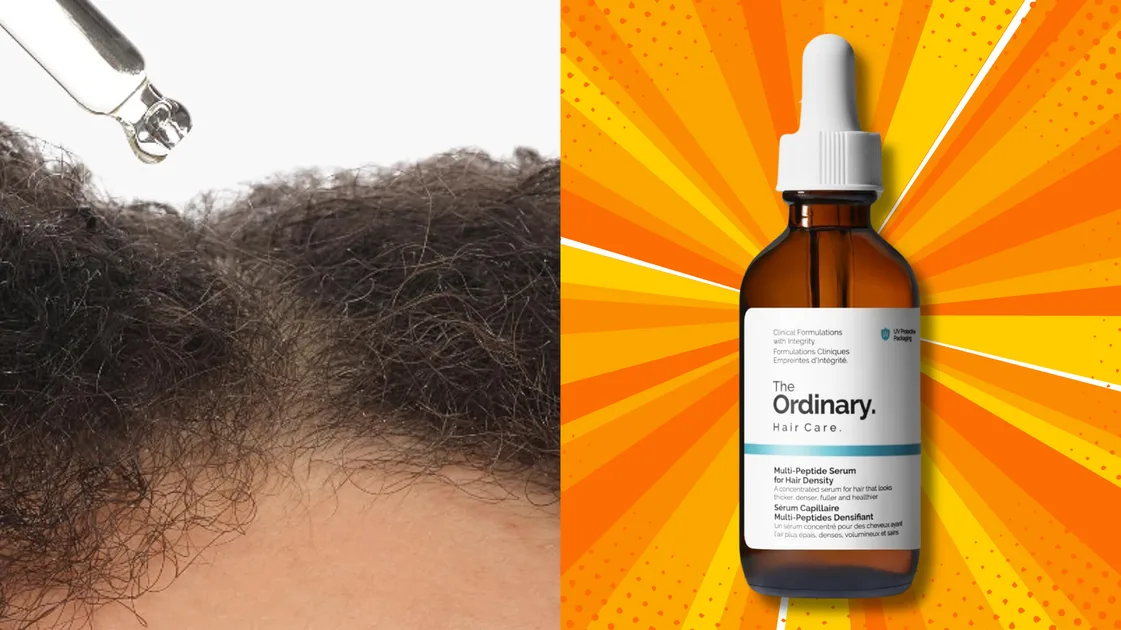
Peptides for Hair Loss: A Derm-Approved Ingredient for Thicker Hair
Discover how peptides, a common skincare ingredient, are making waves in hair loss treatment. This article delves into the science behind peptides and their potential to promote a healthier scalp and fuller-looking hair.
9 min read
Anandita Sundar's 7-Year Weight Loss Journey and Body Shaming
Anandita Sundar opens up about her seven-year weight loss journey, highlighting the profound impact of body shaming on mental health and her commitment to prioritizing well-being over societal expectations.
7 min read
Plus-Size Swimsuit Model on Inclusivity Amidst GLP-1 Medications
Plus-size model Hunter McGrady shares her concerns about a perceived decline in fashion inclusivity, particularly in the context of the growing popularity of GLP-1 weight loss medications.
7 min read