
Finding effective solutions for hair thinning and loss can feel like navigating a maze of products and ingredients. While many options exist, from minoxidil to specialized shampoos, understanding what truly works for your scalp and hair health is key. One ingredient that's gaining traction, and might already be familiar from your skincare routine, is peptides. These small but mighty molecules are proving to be a valuable ally in the quest for thicker, fuller hair.
Understanding Peptides: The Science Behind the Buzz
Peptides are essentially short chains of amino acids, the building blocks of proteins. In the human body, they act as signaling molecules, communicating with cells and instructing them on how to function. This signaling capability is what makes them so versatile and effective in both skincare and haircare.
Dr. Dendy Engelman, a board-certified dermatologist at Shafer Clinic Fifth Avenue in New York City, explains the science behind peptides for hair health: "When it comes to hair health, certain peptides can help support the hair growth cycle by promoting a healthier scalp environment, improving follicle function, and potentially extending the anagen -- or growth -- phase of the hair cycle. Some peptides are also believed to increase blood flow to the scalp and reduce inflammation, both of which are key factors in maintaining strong, resilient hair."
This dual action – supporting the scalp environment and directly influencing the hair follicle – is crucial. A healthy scalp provides the optimal foundation for robust hair growth, while influencing the hair cycle can lead to longer, stronger strands. Other experts echo these sentiments. Trichologist Sophia Emmanuel notes that peptides can contribute to increased hair density by supporting hair follicles and scalp circulation. Board-certified dermatologist Dr. Dina Strachan further clarifies that different peptide types offer distinct benefits, including enhanced blood flow and extended growth phases, aligning with Dr. Engelman's observations.
How Peptides Benefit Scalp and Hair Health
The effectiveness of peptides in addressing hair loss stems from their multifaceted action on the scalp and hair follicles. Here's a breakdown of their key benefits:
- Promoting a Healthy Scalp Environment: Peptides can help to reduce inflammation and create a more balanced scalp, which is essential for healthy hair growth. A calm, healthy scalp is less prone to issues that can impede follicle function.
- Improving Follicle Function: By signaling to the cells within the hair follicle, peptides can encourage more efficient and robust hair production. This can lead to stronger hair shafts and a reduced tendency for breakage.
- Extending the Anagen (Growth) Phase: The hair growth cycle consists of several phases, with anagen being the active growth period. Peptides may help to prolong this phase, allowing hair to grow longer and thicker before entering the resting and shedding phases.
- Enhancing Blood Circulation: Increased blood flow to the scalp delivers vital nutrients and oxygen to the hair follicles. Peptides can help to stimulate this circulation, providing a more nourished environment for hair growth.
- Supporting Collagen Production: Similar to their role in skincare, some peptides can encourage collagen production in the scalp. Collagen is important for the structural integrity of the skin and can help support the hair follicles.
Peptides in Practice: A Look at a Popular Serum
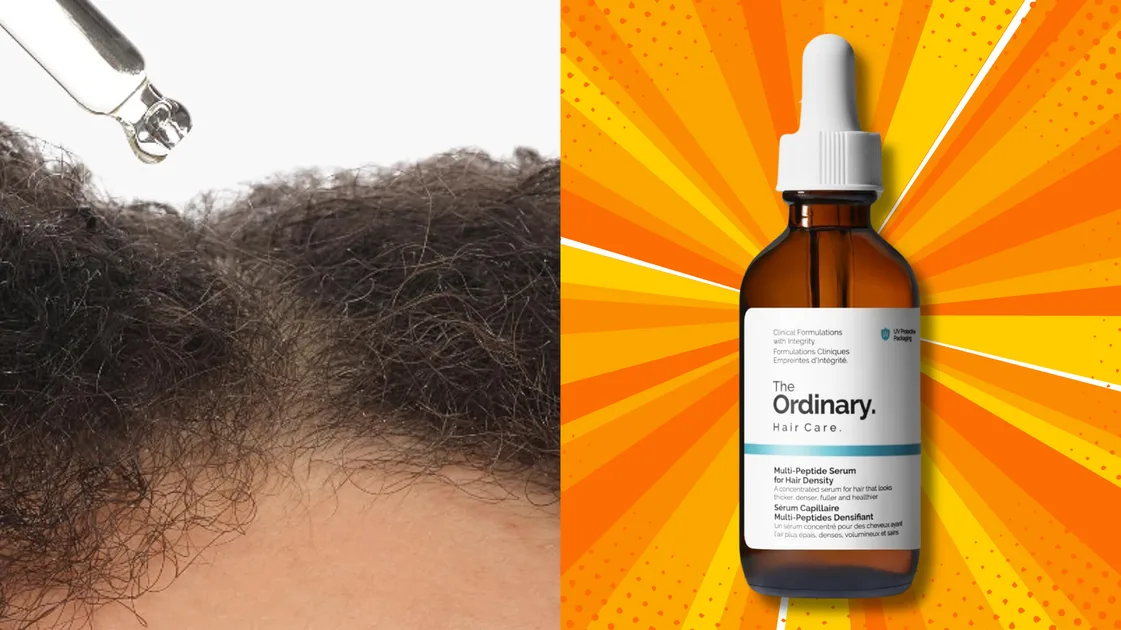
Recognizing the potential of peptides, many haircare brands are now incorporating them into their formulations. One product that has garnered significant attention is The Ordinary's Multi-Peptide Serum for Hair Density. While Dr. Engelman has no direct affiliation with this specific product, its formulation highlights the practical application of peptide science.
This serum utilizes multiple peptide technologies designed to support the scalp and enhance the appearance of hair thickness, fullness, and density. It's formulated to be lightweight and water-based, making it easy to incorporate into a daily routine. The brand recommends applying a few drops to a clean, dry scalp once a day, often at bedtime.
The serum's formulation also steers clear of common irritants. It is fragrance-free and sulfate-free. Dermatologists often advise caution with sulfates for those concerned about hair loss, as they can strip the scalp of its natural oils, leading to dryness and inflammation. This gentle approach is appreciated by users with sensitive scalps.
Real-World Results and User Experiences
The impact of such peptide-rich serums is often best illustrated by user testimonials. Many individuals have reported remarkable improvements in their hair's thickness and visible regrowth. One reviewer, who has a history of fine, thin, and chemically treated hair with noticeable thinning at the hairline, shared:
"I'm 40 with fine, thin hair that I have damaged with bleach. I have some hair loss at the corners of my hairline, like mini bald patches, and I had noticed a lot of hair falling out in the shower and on my brush... I have almost no shedding in the shower now! I even bleached and colored my hair and had very little fallout. I am noticing hair growing back along my hairline and in the balding spots. My mom, who sees me every day, even commented that my hair looks thicker."
Another user described the results as "mind blowing," noting visible growth in about a month. They emphasized the serum's non-greasy feel, lack of scent, quick drying time, and absence of scalp irritation, all while delivering noticeable results. The affordability of such products, often under $25, makes them an accessible option for many.
The journey to thicker hair often requires consistency and patience. As one reviewer wisely noted, "You definitely have to be consistent and patient with it -- it's not an overnight miracle -- but it's affordable compared to a lot of other hair serums out there."
Precision tracking for your journey
Join thousands using Shotlee to accurately track GLP-1 medications and side effects.
📱 Get the Shotlee App
Track your GLP-1 medications, peptides, and health metrics on the go with our mobile app!
Peptides as Part of a Comprehensive Haircare Strategy
While peptides offer a promising and accessible approach to improving hair health, it's important to view them as a supportive element within a broader haircare strategy. Dr. Engelman advises:
"While peptide-infused topicals can be a helpful part of a hair care routine -- especially for early thinning or maintenance -- they are generally more supportive than transformative on their own. In-office treatments like platelet-rich plasma (PRP), which uses your body's own growth factors to stimulate the follicles, tend to deliver more significant results for patients experiencing more advanced hair loss. Ideally, I view peptides as a complementary approach: they can help optimize scalp health and enhance results when used alongside clinically proven treatments like PRP."
This perspective highlights that for mild to moderate thinning or for maintaining existing hair health, peptides can be highly effective. For more advanced hair loss, they can serve as an excellent adjunct to more intensive treatments. The key is to integrate them into a routine that addresses your specific needs.
Integrating Peptides with Health Tracking
For individuals actively managing hair loss, consistent tracking of progress can be incredibly motivating and informative. Using tools like the Shotlee app can help monitor scalp condition, hair shedding, and even the application of treatments like peptide serums. By logging daily or weekly observations, users can better understand what's working and identify patterns. For instance, tracking the frequency of serum application, alongside noting changes in shedding or perceived density, can provide valuable data to share with a healthcare provider. This data-driven approach ensures that your haircare routine is optimized for your unique journey.
Key Takeaways for Using Peptides for Hair Loss
Here are some practical points to remember when considering peptides for hair loss:
- Understand the Science: Peptides are amino acid chains that signal cells, promoting scalp health and influencing the hair growth cycle.
- Look for Key Benefits: Seek products that aim to improve scalp environment, follicle function, and potentially extend the hair's growth phase.
- Consistency is Crucial: Results are typically seen with regular, consistent use over several weeks to months.
- Manage Expectations: Peptides are often most effective for early thinning or maintenance and can complement other treatments for more advanced hair loss.
- Choose Gentle Formulations: Opt for products free from harsh sulfates and fragrances, especially if you have a sensitive scalp.
- Consider a Holistic Approach: Combine peptide serums with a healthy lifestyle, good nutrition, and potentially other clinically proven treatments as advised by a professional.
Conclusion
Peptides represent a scientifically supported and increasingly accessible ingredient for those seeking to improve hair thickness and combat thinning. Their ability to nurture the scalp, support follicle function, and potentially extend the hair growth cycle makes them a valuable addition to any haircare regimen. While they may not be a standalone miracle cure for all types of hair loss, their gentle yet effective action, coupled with growing user satisfaction and affordability, positions them as a highly recommended option for enhancing hair health and achieving fuller-looking hair.
Frequently Asked Questions
- What exactly are peptides and how do they work for hair loss?
Peptides are short chains of amino acids that act as signaling molecules. For hair loss, specific peptides can signal the scalp to promote a healthier environment, improve hair follicle function, potentially extend the hair's growth phase (anagen), and increase blood flow to the scalp, all contributing to stronger, thicker-looking hair.
- Are peptide serums suitable for all types of hair loss?
Peptide serums are generally beneficial for early stages of thinning or for ongoing hair maintenance. For more advanced hair loss, they are often viewed as a supportive treatment that can enhance results when used alongside other clinically proven therapies like PRP or prescription medications, as advised by a dermatologist.
- How long does it typically take to see results from using a peptide serum for hair loss?
Results vary among individuals, but consistent use over several weeks to a few months is generally recommended to observe noticeable improvements. Patience and regular application are key to experiencing the full benefits.
- Can peptide serums be used on a sensitive scalp?
Many peptide serums are formulated to be gentle, often being fragrance-free and sulfate-free. These formulations are less likely to cause irritation, making them suitable for individuals with sensitive scalps. However, it's always wise to perform a patch test if you have known sensitivities.
- Should I use peptide serums in conjunction with other hair loss treatments?
Yes, peptides can often be used effectively as a complementary treatment. They can help optimize scalp health and boost results when used alongside other therapies such as minoxidil, finasteride (for men), or in-office treatments like PRP, under the guidance of a healthcare professional.