
Personalized Medicine
5 articles on Personalized Medicine, written by Shotlee and medically reviewed for clinical accuracy.

GLP-1 Drugs & Kris Jenner: Why Some Find Them Difficult
Kris Jenner recently shared her experience with GLP-1 medications, revealing they made her feel unwell. This opens the door to understanding the nuances of these popular drugs and exploring alternative peptide therapies for weight management and overall health.
7 min read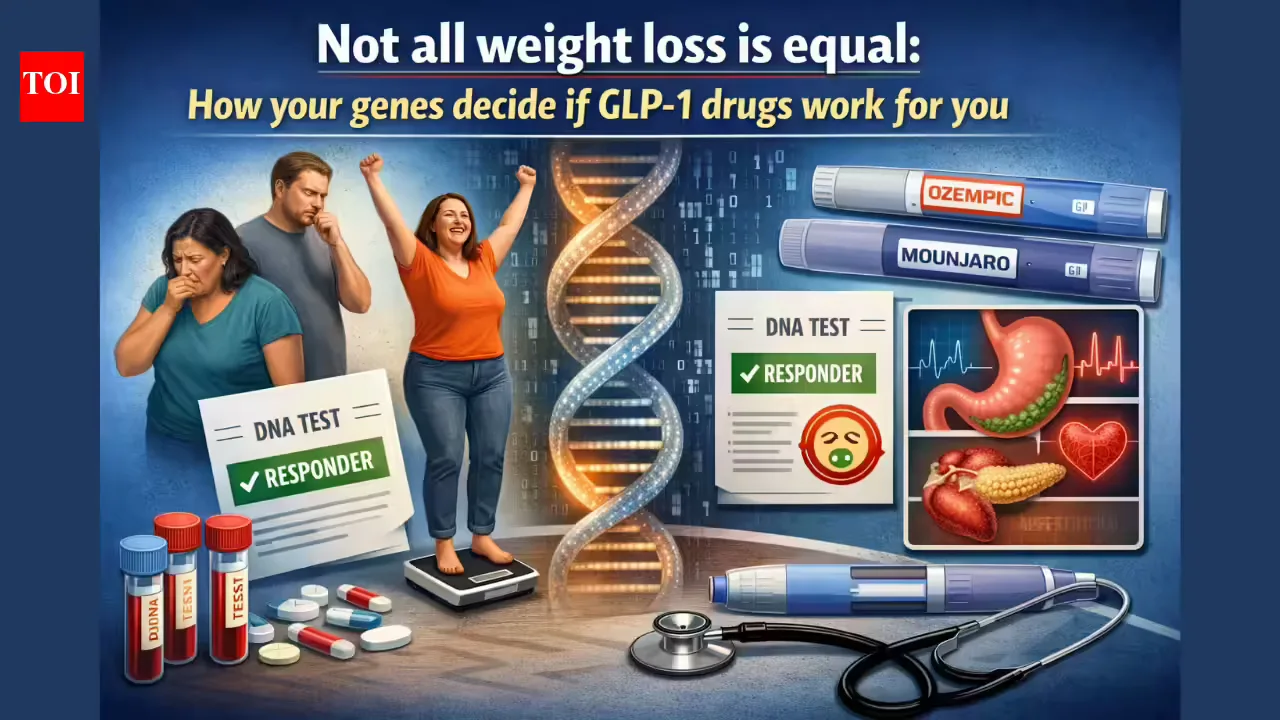
Genes That Make GLP-1 Drugs Work (or Not): New Study
Why do some people lose remarkable weight on Ozempic while others see minimal results or severe nausea? A new Nature study of nearly 28,000 GLP-1 drug users shows your genes are a key factor. Specific variants in GLP1R and GIPR genes predict both efficacy and side effects, opening doors to personalized prescribing.
5 min read
New Study: Why Ozempic Works Better for Some Due to Genetics
Ozempic and similar weight-loss drugs like tirzepatide work better for some patients due to specific genetic variants affecting GLP-1 and GIP receptors, a new 23andMe study shows. While average users lose 10% body weight, those with certain gene copies shed up to 1.5kg more—or face higher nausea and vomiting risks. This research uncovers why responses vary widely.
5 min read
23andMe Study: Genetic Changes Predict GLP-1 Response for Weight Loss
A groundbreaking 23andMe study published in Nature identifies specific genetic changes in two genes that predict how well patients respond to GLP-1 drugs for weight loss—and whether they'll experience common side effects like nausea or vomiting. Led by Adam Auton, the research offers proof of concept for genetics in GLP-1 therapy. While experts are intrigued, questions remain on clinical impact.
4 min read
How GLP-1 Weight Loss Drugs Revolutionized Obesity: Lessons Learned
GLP-1 weight loss drugs such as Wegovy and Zepbound have revolutionized obesity care, leading to up to 20% body weight reduction over 72 weeks. These therapies challenge old views of obesity as mere lifestyle failure, highlighting brain hunger centers, genetics, and hormones. From chronic disease recognition to equitable access, here's how they've reshaped treatment.
5 min read