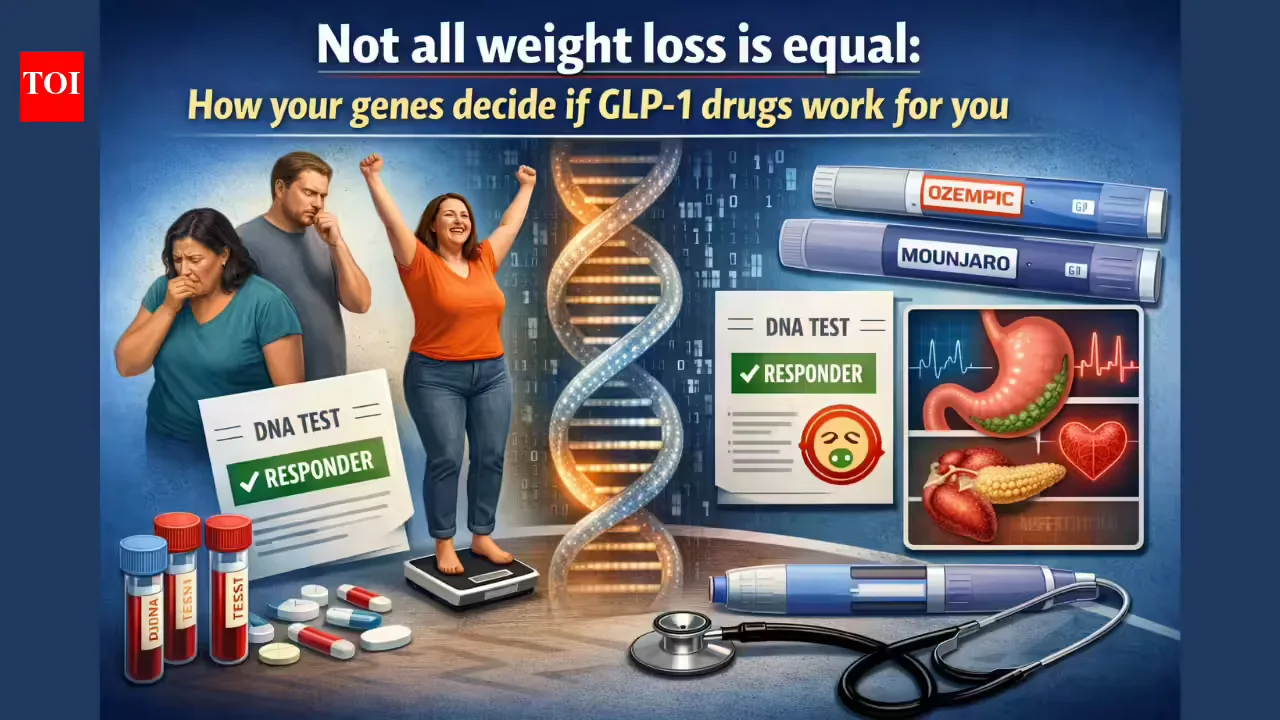

In a significant advancement for personalized medicine, 23andMe researchers have identified specific changes in two genes that appear to help predict patient responses to GLP-1 drugs used for weight loss. These genetic variants not only forecast substantial weight loss but also indicate the likelihood of common side effects such as nausea or vomiting. This finding, detailed in a paper published in Nature on Wednesday, underscores the role of genetics in optimizing GLP-1 therapy for obesity treatment.
Understanding the 23andMe Findings on GLP-1 Drugs
GLP-1 receptor agonists, such as semaglutide (found in drugs like Ozempic and Wegovy), mimic the glucagon-like peptide-1 hormone to regulate blood sugar, slow gastric emptying, and reduce appetite. These mechanisms drive their effectiveness in managing type 2 diabetes and obesity. The 23andMe study builds on this by linking genetic profiles to real-world outcomes.
"I think we have proof of concept here that genetics is playing a role in terms of GLP-1 efficacy and side effects," said Adam Auton, vice president at the 23andMe Research Institute and senior author on the paper. The research analyzed genetic data from users of 23andMe's Total Health platform, revealing how variants in these two genes correlate with weight reduction and gastrointestinal tolerability.
How These Genetic Changes Influence GLP-1 Response
The identified genetic changes provide predictive power: patients with certain variants are more likely to achieve substantial weight loss on GLP-1 drugs, while others may face heightened risks of nausea or vomiting—side effects that affect up to 20-40% of users in clinical trials. This precision could help tailor dosing or select alternative therapies, addressing why some individuals lose 15-20% of body weight while others see minimal results.
Expert Reactions and Clinical Implications
Outside researchers expressed intrigue and impressed reactions to the 23andMe findings. However, some skepticism persists regarding immediate impacts on patient care. "While promising, translating genetic predictors into routine practice requires larger validation studies," noted one cardiologist specializing in metabolic health.
For consumers, access is already available through 23andMe's Total Health platform, which integrates this genetic information to guide discussions with healthcare providers. Patients considering GLP-1 drugs for obesity can now explore their genetic predisposition before starting treatment.
Precision tracking for your journey
Join thousands using Shotlee to accurately track GLP-1 medications and side effects.
📱 Get the Shotlee App
Track your GLP-1 medications, peptides, and health metrics on the go with our mobile app!
GLP-1 Drugs: Mechanisms and Broader Context
GLP-1 drugs work by activating receptors in the gut and brain, promoting insulin secretion, inhibiting glucagon, and signaling fullness. In obesity management, weekly injections have shown average weight loss of 12-15% over 68 weeks in trials like STEP. Genetic factors may explain variability, as lifestyle and adherence alone don't account for all differences.
Compared to alternatives like bariatric surgery or older weight loss drugs (e.g., phentermine), GLP-1s offer non-invasive options with cardiovascular benefits. Yet, side effects like gastrointestinal issues lead to 10-20% discontinuation rates, making predictors valuable.
Practical Guidance for Patients Considering GLP-1 Therapy
If you're exploring GLP-1 drugs for weight loss, discuss genetic testing with your doctor. Services like 23andMe's Total Health can reveal relevant variants, helping predict efficacy and side effects. Start with lifestyle changes—diet and exercise enhance outcomes—and monitor progress closely.
- Who benefits most? Those with obesity (BMI ≥30) or overweight with comorbidities like prediabetes.
- Dosing basics: Begin low (e.g., 0.25mg semaglutide weekly) to minimize nausea.
- Safety notes: Common side effects include nausea (44%), diarrhea (30%); rare risks like pancreatitis require vigilance.
Tools like Shotlee can help track symptoms, side effects, or medication schedules, providing data to share with providers for optimized care.
Safety and Side Effect Management
Nausea and vomiting, highlighted in the study, often improve over time. Strategies include anti-nausea meds, smaller meals, and hydration. Long-term data shows GLP-1s reduce risks for heart disease and kidney issues, but thyroid tumor warnings apply (black box for medullary thyroid carcinoma in rodents).
Key Takeaways: What This Means for GLP-1 Patients
- Genetic changes in two genes predict weight loss and side effects on GLP-1 drugs, per 23andMe's Nature paper.
- Proof of concept from Adam Auton confirms genetics' role in efficacy.
- Total Health users gain personalized insights.
- Experts impressed but call for more validation.
- Discuss testing with doctors for tailored obesity treatment.
Conclusion: Toward Personalized Metabolic Health
The 23andMe study advances pharmacogenomics for GLP-1 drugs, potentially reducing trial-and-error in obesity care. Matthew Herper, who covers medical innovation's promise and perils, highlights such research's dual edges. Patients should consult providers, leveraging genetic data alongside clinical judgment for better outcomes. Stay informed on evolving GLP-1 research for metabolic health.