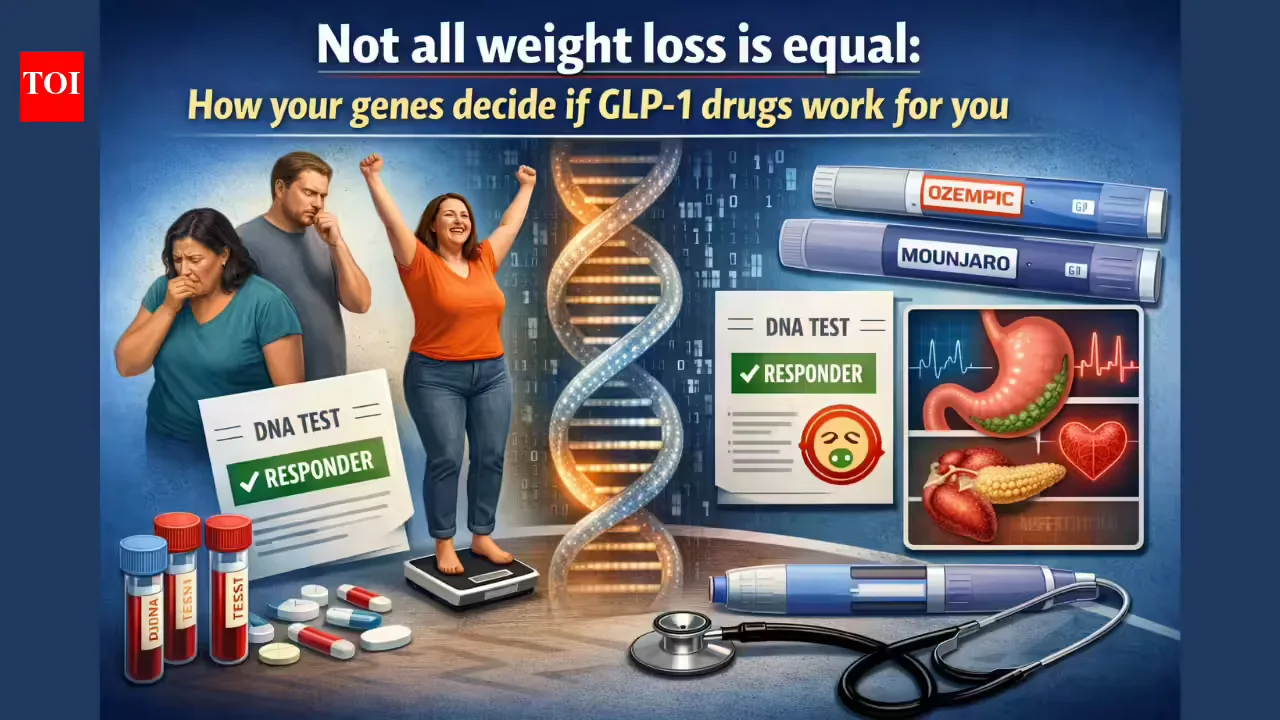

You've probably seen the stories: someone you know lost a remarkable amount of weight on Ozempic or Mounjaro. Another person tried the same drug and barely saw results. And yet another got so nauseous they quit altogether. These wildly different experiences aren't random. According to a massive new study published in Nature, your genes are partly why, influencing how GLP-1 drugs like semaglutide (Ozempic, Wegovy) and tirzepatide (Mounjaro, Zepbound) work for weight loss and side effects.
This research analyzed nearly 28,000 people who'd taken GLP-1 drugs and matched their outcomes against their DNA. The findings are straightforward: your genetic makeup can predict how much weight you'll lose on these medications and how likely you are to get knocked sideways by nausea. For millions of Americans turning to these drugs—one in eight has used them—this could eventually change how doctors prescribe them.
What Are GLP-1 Receptor Agonists and How Do They Work?
GLP-1 receptor agonists like semaglutide and tirzepatide have become some of the most prescribed drugs in America. They mimic a hormone your gut produces after you eat, signaling to your brain that you're full, slowing digestion, and reducing overall calorie intake. Before these medications, treating obesity often felt like pushing a boulder uphill. Now, they produce real weight loss for most people.
In clinical trials, the average person loses about 10% of their body weight on semaglutide. However, this average masks significant individual variation. Some shed a quarter of their body weight, while others lose less than 5% or even gain weight. Side effects like nausea and vomiting also vary widely—some experience them intensely, others barely notice.
Understanding the mechanism is key: GLP-1 drugs bind to GLP-1 receptors in the brain and gut, enhancing insulin secretion, suppressing glucagon, and promoting satiety. Tirzepatide adds a dual action by targeting GIP receptors too, which may explain some differences in response. These drugs address metabolic health at its core, but genetic factors modulate their effectiveness.
The Groundbreaking Nature Study on Genes and GLP-1 Drugs
Study Methodology
The new research stands out for its scale, examining genetic data from nearly 28,000 individuals who had taken GLP-1 drugs. Researchers matched real-world outcomes—weight loss and side effects—to DNA variations, identifying predictors of response. This large cohort provides robust insights into why GLP-1 drugs work differently across people.
Key Genetic Findings on Weight Loss
The team identified a specific genetic variant—a single letter change in your DNA on the GLP1R gene—that predicts weight loss. People carrying certain versions of this variant can expect about 0.76 kilograms more weight loss per copy they inherit. That difference might seem small, but it adds up and explains why one person might lose 30 pounds while another stalls.
Genes account for about a quarter of the variation in how well these drugs work. The rest depends on factors like sex (women lose more weight than men), treatment duration, dose, and ancestry (Europeans tend to see better results than other groups). These disparities highlight the need for more inclusive research.
Genetic Predictors of Side Effects
Side effects are more complex. Different genetic variants predict nausea and vomiting, varying by drug. For tirzepatide specifically, a variant in the GIPR gene (key to its dual-action) predicts nausea risk. People homozygous for the risk alleles at both GLP1R and GIPR sites have a 14.8-fold increased odds of experiencing moderate to severe vomiting on tirzepatide.
Precision tracking for your journey
Join thousands using Shotlee to accurately track GLP-1 medications and side effects.
📱 Get the Shotlee App
Track your GLP-1 medications, peptides, and health metrics on the go with our mobile app!
This genetic insight explains why some tolerate these drugs seamlessly while others struggle, informing safer prescribing.
Implications for Precision Medicine in GLP-1 Therapy
The real promise is precision medicine. Imagine a doctor running a genetic test before starting a GLP-1 drug, setting realistic expectations. If you're likely to have intense side effects, they could adjust your dose trajectory slowly. Or, recognizing lower response to semaglutide, they might start tirzepatide instead.
We're in early stages, but these genes—identified in GLP1R and GIPR—are ready for clinical use. This could reduce trial-and-error, improve adherence, and optimize outcomes in obesity and metabolic health management. Compared to alternatives like older weight loss drugs (e.g., phentermine), GLP-1s offer superior efficacy, but personalization elevates them further.
Factors Beyond Genetics Influencing GLP-1 Response
While genes explain 25% of variation, other elements matter. Women often lose more weight, possibly due to hormonal differences. Dose escalation—starting low and titrating up—helps mitigate nausea. Ancestry-related responses underscore the importance of diverse trial data.
Safety profiles are favorable overall, but common side effects include gastrointestinal issues. Monitoring is crucial; apps like Shotlee can help patients track symptoms, side effects, or medication schedules for better doctor discussions.
Practical Guidance for Patients Considering GLP-1 Drugs
If you're eyeing Ozempic, Wegovy, Mounjaro, or Zepbound, discuss genetics with your doctor. Ask about testing for GLP1R or GIPR variants, especially if family members had varied responses. Start at the lowest dose to minimize nausea, eat smaller meals, and stay hydrated.
Who should consider these? Those with obesity (BMI ≥30) or overweight with comorbidities like type 2 diabetes. Not ideal for everyone—pregnant individuals or those with certain thyroid conditions should avoid. Always pair with lifestyle changes for sustained results.
Consult a healthcare provider to weigh benefits against risks, personalized to your profile.
Key Takeaways: What This Means for Patients
- Genes predict GLP-1 success: GLP1R variant linked to 0.76 kg extra loss per copy.
- Side effects genetic too: GIPR variant raises tirzepatide vomiting odds 14.8-fold in at-risk individuals.
- 25% variation genetic: Rest from sex, dose, duration, ancestry.
- Precision prescribing ahead: Genetic tests could guide drug and dose choice.
- Women, Europeans respond better on average, per study.
Conclusion
This Nature study on nearly 28,000 GLP-1 users illuminates how genes like GLP1R and GIPR determine if drugs like Ozempic or Mounjaro deliver weight loss or side effects. Preserving the core message, it signals a shift to personalized metabolic therapy. Talk to your doctor about genetic insights to maximize benefits and minimize setbacks in your health journey.