

GLP-1 थेरेपी के साथ स्वास्थ्य को पुनः प्राप्त करना: वज़न घटाने से परे

यह लेख GLP-1 दवाओं, जैसे कि सेमाग्लूटाइड और टिर्ज़ेपेटाइड, के वज़न प्रबंधन से परे, पहचान और समग्र स्वास्थ्य को पुनः प्राप्त करने पर पड़ने वाले गहरे प्रभाव की पड़ताल करता है। जानें कि कैसे ये थेरेपी महत्वपूर्ण जीवन परिवर्तनों के लिए उत्प्रेरक बन सकती हैं, जैसा कि व्यक्तिगत यात्राओं से स्पष्ट होता है।
इस पृष्ठ पर
- The Quiet Comfort and Its Hidden Costs
- The Cycle of Comfort, Weight Gain, and Body Shame
- The Turning Point: GLP-1 Therapy and Relationship Realignment
- Beyond Weight Loss: Healing the Relationship with Food
- Understanding GLP-1 Receptor Agonists and Their Role
- Integrating Health Tracking with Peptide Therapy
- Practical Takeaways
- Conclusion
- The Onset of Weight Struggles and Emotional Eating
- When Indulgence Becomes the Norm
- The Impact of Semaglutide on Health and Self-Perception
- Key Medications and Their Applications
The Quiet Comfort and Its Hidden Costs
The phrase "letting yourself go" is often used dismissively, implying a simple lapse in self-care or a surrender to laziness. However, for many, particularly women, it signifies something far more complex: a deep sense of comfort and quiet security found within the embrace of a committed relationship. This tranquility, while seemingly benign, can sometimes mask a more intricate truth – a gradual drifting away from one's own identity, a subtle shift in personal dynamics where the relationship becomes less a space for mutual growth and more a secure, albeit stagnant, haven.
This phenomenon was powerfully illustrated by the experience of Jewel Thaung, a 29-year-old from Brisbane, Australia. At 19, Jewel's university journey coincided with moving in with her boyfriend. The sudden responsibility of managing her own meals, a novel experience, led her to gravitate towards carb-laden comfort foods. This marked the beginning of what she describes as "food noise" – a relentless cycle of intrusive thoughts about eating and persistent cravings that began to dominate her mental landscape.
The Onset of Weight Struggles and Emotional Eating
These new eating habits were the catalyst for Jewel's significant weight struggles, culminating in a 30kg (approximately 66 lbs) gain over the seven years of her relationship. Her upbringing, marked by her parents' divorce, instilled in her a deep desire for a stable, safe relationship. "I wanted a stable, safe relationship," she shared, reflecting on her past. Despite marrying at 26, Jewel harbored a quiet but persistent feeling for years that she wasn't with the right person. The fear of being alone, however, kept her from confronting this truth.
For much of her twenties, Jewel's days were bookended by thoughts of food. "I'm a real foodie and love cooking, but my bad habits got out of control," she admitted. Inspired by celebrity chefs like Nigella Lawson, who famously enjoyed late-night pasta, Jewel found herself mirroring these indulgences. "It got to a point where I was like, screw it, I'm going to do the same because I can! I just let it take over me. It's like I was obsessed with food." This obsession became a coping mechanism, a way to dull the emotional weight of an unhappy relationship and avoid facing its underlying issues.
The Cycle of Comfort, Weight Gain, and Body Shame
Jewel's story highlights a common, yet often overlooked, aspect of long-term relationships: the potential for comfort to morph into complacency. "It's so easy to lose yourself or let yourself go in a relationship. When you're not actively dating, your nervous system kind of plateaus because you're in a comfortable, stable, safe, loving place," she explained. While this state can feel secure, it can eventually lead to personal stagnation and health issues. "At the end of the day, you only have one body and you need to take care of yourself."
At her heaviest, Jewel weighed 110kg (approximately 242 lbs). The resulting body shame was profound, leading her to avoid the beach or wear concealing clothing when she did go. She endured the discomfort of ill-fitting clothes and resorted to heavily editing her social media photos to appear slimmer. Despite her love for cooking, her primary challenge lay in portion control. Her meals were often carb-heavy, featuring pasta and rich, fatty roasted dishes, with a distinct lack of fiber, greens, and vegetables. The extent of her weight gain became apparent only gradually, even as she continued to engage with her interests in skincare, makeup, and fashion, albeit with an underlying avoidance of her physical self.
When Indulgence Becomes the Norm
Social situations also presented challenges. A night out with friends could easily involve consuming an entire pizza, even after having already consumed two carb-heavy meals earlier in the day. Jewel's attempts to lose weight prior to seeking medical intervention were numerous and varied. She engaged in intensive gym challenges, followed strict fad diets like low-carb and keto, and adhered to highly restrictive meal plans. "Literally nothing worked," she emphasized, not due to a lack of willpower, but because these approaches were fundamentally unsustainable for her.
The Turning Point: GLP-1 Therapy and Relationship Realignment
Jewel's journey took a significant turn when a friend recommended Juniper, an online medical weight-loss service. This service offers prescriptions for medications like Ozempic (semaglutide) following a doctor's consultation. Intrigued, Jewel signed up online, spoke with a doctor, and was approved. The process, she noted, was "super easy." Within the first few months of using Ozempic, she experienced a remarkable 7kg (approximately 15 lbs) weight loss, amazed by the rapid results.
Crucially, this period of physical transformation coincided with a profound emotional and relational one. In September of the same year she started medication, Jewel finally confronted her feelings and made the difficult decision to end her marriage, which had lasted only seven months. "He didn't want it to end. It was one of the hardest choices I've ever had to make in my life. I knew for years he wasn't right for me. The relationship was like a Band-Aid for a lot of things. But at the time I was so out of touch with who I was as a person." Her partner's departure served as the necessary catalyst for her to fully reclaim her life.
The Impact of Semaglutide on Health and Self-Perception
The first year on Ozempic saw Jewel lose an impressive 20kg (approximately 44 lbs) without experiencing any adverse side effects. The physical changes were transformative. "When I lost weight, the first thing I noticed was how my face shape changed. My features were more prominent and you could actually see my cheekbones. Beforehand, my face was much puffier." Beyond aesthetics, she began to experience small but significant victories: fitting into smaller jeans, confidently wearing a bikini at the beach, and stepping out in miniskirts. This renewed sense of self-control extended to her diet and exercise, empowering her to make further changes.
As Jewel gained confidence and control, she decided to gradually wean off Ozempic to manage costs. Remarkably, over the subsequent year, she continued her weight loss journey, shedding an additional 23kg (approximately 51 lbs) without the medication. In total, over two years, Jewel lost 43kg (approximately 95 lbs). Now weighing 75kg (approximately 165 lbs), she is single and feels more confident than ever. "I'll never let myself go back to that state again," she vowed.
आपके स्वास्थ्य के लिए सर्वश्रेष्ठ ट्रैकिंग
लाखों उपयोगकर्ताओं के साथ शामिल हों और अपने GLP-1 प्रोटोकॉल को शॉर्टली ऐप पर आज ही ट्रैक करना शुरू करें।
📱 Shotlee मुफ्त में उपयोग करें
लाखों उपयोगकर्ताओं के साथ शामिल हों और अपने GLP-1 प्रोटोकॉल को शॉर्टली ऐप पर आज ही ट्रैक करना शुरू करें।
Beyond Weight Loss: Healing the Relationship with Food
Jewel credits semaglutide with playing a pivotal role in healing her previously toxic relationship with food. Over time, the constant cravings subsided, and intuitive eating and portion control became second nature, rather than a daily battle. "Weight loss medication will change your life and it's not 'cheating'. Unless you've been in the position, you cannot comment. This medication has been created to change lives," she asserted. She also emphasized that these medications are not necessarily a lifelong commitment but rather a powerful tool to "kick-start" weight loss and, crucially, to alter one's relationship with food.
The most significant impact, Jewel noted, was how the medication reshaped her brain's response to food. "The biggest part is how it changed my brain with the food noise." She encourages anyone considering weight loss medication, stating, "If you're thinking about weight loss medication, you have nothing to lose and everything to gain. It works and it is life-changing."
Understanding GLP-1 Receptor Agonists and Their Role
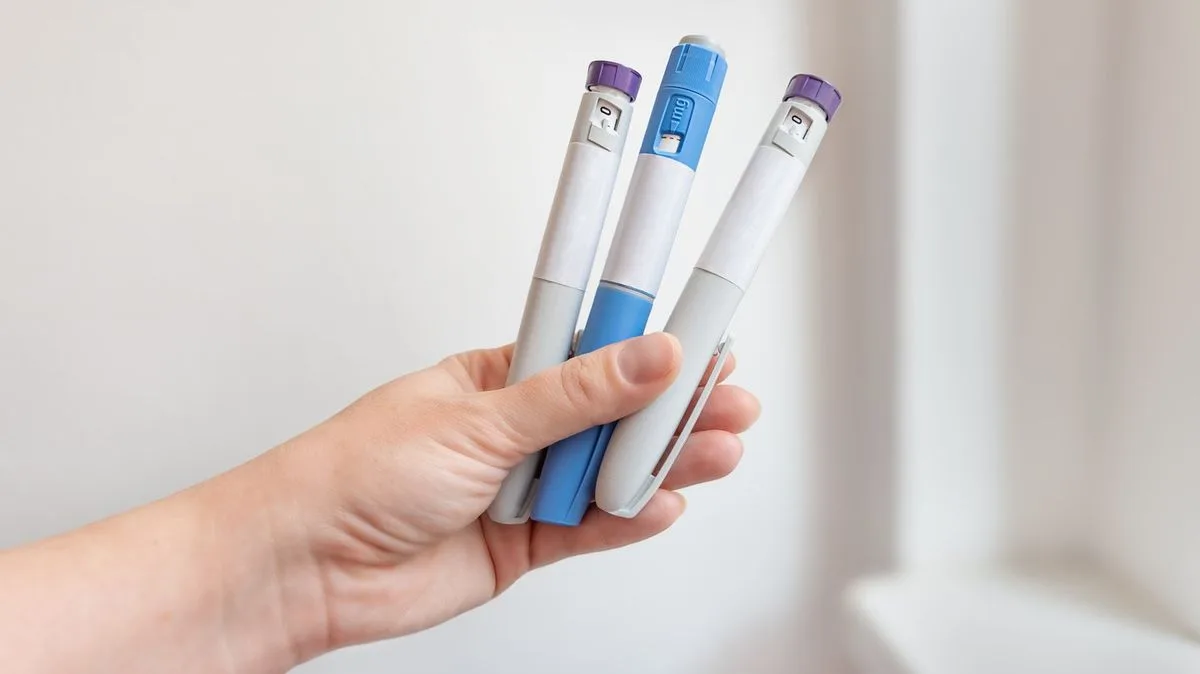
Jewel's experience with semaglutide exemplifies the growing role of GLP-1 receptor agonists in modern health management. These medications, initially developed for type 2 diabetes management, have shown remarkable efficacy in aiding weight loss. They work by mimicking the action of the naturally occurring hormone glucagon-like peptide-1 (GLP-1), which plays a crucial role in regulating appetite and blood sugar levels.
When administered, GLP-1 agonists signal to the brain that you are full, thereby reducing appetite and leading to a decrease in overall food intake. They also slow down the rate at which the stomach empties, further contributing to feelings of satiety. This dual action can be particularly effective for individuals who struggle with overeating, emotional eating, or persistent cravings, as Jewel did.
Key Medications and Their Applications
Several GLP-1 medications are now widely recognized and prescribed:
- Semaglutide: Available under brand names like Ozempic (for diabetes) and Wegovy (for weight management), semaglutide has gained significant attention for its effectiveness in promoting substantial weight loss.
- Tirzepatide: Marketed as Mounjaro (for diabetes) and Zepbound (for weight management), tirzepatide is a dual GIP and GLP-1 receptor agonist, meaning it targets two key hormones involved in appetite and metabolism, often leading to even greater weight loss results for some individuals.
- Liraglutide: Sold as Victoza (for diabetes) and Saxenda (for weight management), liraglutide was one of the earlier GLP-1 agonists approved for chronic weight management.
These medications are not a magic bullet but are designed to be part of a comprehensive weight management plan that includes dietary changes and increased physical activity. For many, like Jewel, they serve as a powerful catalyst, enabling them to break free from unhealthy patterns and embark on a journey toward improved health and self-discovery.
Integrating Health Tracking with Peptide Therapy
For individuals embarking on a journey with peptide therapies like GLP-1 agonists, consistent health tracking is paramount. Tools that allow users to monitor their progress, symptoms, and medication adherence can significantly enhance the effectiveness and safety of treatment. For instance, using an app like Shotlee can help users:
- Track Weight Loss: Log weight regularly to visualize progress and identify trends.
- Monitor Symptoms: Record any side effects or changes in appetite, energy levels, or digestive comfort.
- Manage Doses: Keep accurate records of medication timing and dosage to ensure adherence.
- Log Food Intake: While GLP-1s reduce appetite, understanding eating patterns can still be beneficial.
This granular data can be invaluable when discussing progress and any concerns with healthcare providers, ensuring that the treatment plan remains optimized for individual needs.
Practical Takeaways
Jewel's story offers several key takeaways for anyone considering a similar path:
- Recognize the signs of complacency: Be aware of how comfort in a relationship might be impacting your personal well-being and identity.
- Address emotional eating: Understand the connection between emotions and food choices, and seek strategies to cope with stress and unhappiness constructively.
- Explore medical weight-loss options: GLP-1 medications can be powerful tools for breaking cycles of unhealthy eating and achieving significant weight loss when combined with lifestyle changes.
- Prioritize self-discovery: Use health transformations as an opportunity to reconnect with yourself, your goals, and your overall well-being.
- Embrace the journey: Weight loss and identity reclamation are processes. Celebrate small victories and be patient with yourself.
The journey of self-discovery and health reclamation is deeply personal. For Jewel, the path involved confronting relationship issues, overcoming a difficult relationship with food, and leveraging the support of modern medical advancements. Her story is a testament to the fact that sometimes, the most profound personal growth can emerge from the courage to change one's circumstances and prioritize one's own well-being.
Conclusion
The narrative of letting oneself go within a relationship, while often viewed through a lens of simple neglect, can conceal a complex interplay of comfort, emotional reliance, and a gradual erosion of personal identity. Jewel Thaung's experience vividly illustrates how this can manifest in weight gain and a disconnect from one's true self. However, her journey also highlights the transformative power of taking decisive action, including leveraging advanced medical treatments like GLP-1 receptor agonists such as semaglutide. These therapies, when integrated into a holistic approach that addresses both physical and emotional well-being, can serve as potent catalysts for breaking negative cycles. By reclaiming control over her health and her life, Jewel not only achieved significant weight loss but also rediscovered her sense of self, demonstrating that a journey of self-discovery can lead to profound and lasting positive change.
?अक्सर पूछे जाने वाले प्रश्न
सेमाग्लूटाइड जैसी GLP-1 दवाएं वज़न घटाने से ज़्यादा कैसे मदद करती हैं?
GLP-1 दवाएं एक प्राकृतिक हार्मोन की नकल करके काम करती हैं जो भूख को नियंत्रित करता है, मस्तिष्क को तृप्ति का संकेत देता है। यह लालसा और अत्यधिक खाने को काफी कम कर सकता है, जो अक्सर भावनात्मक संकट या अस्वास्थ्यकर मुकाबला तंत्र से उत्पन्न होता है। इन चक्रों को तोड़ने में मदद करके, वे भोजन के साथ एक स्वस्थ संबंध को सुविधाजनक बना सकते हैं और आत्म-खोज और व्यक्तिगत विकास के लिए आवश्यक मानसिक स्पष्टता और ऊर्जा प्रदान कर सकते हैं, जैसा कि जूल के मामले में देखा गया है।
क्या Ozempic या Wegovy वज़न घटाने के लिए 'जादुई गोली' है?
जबकि Ozempic (सेमाग्लूटाइड) और Wegovy (सेमाग्लूटाइड भी) वज़न घटाने के लिए अत्यधिक प्रभावी हैं, उन्हें 'जादुई गोली' नहीं माना जाता है। वे नुस्खे वाली दवाएं हैं जिन्हें कम कैलोरी वाले आहार और बढ़ी हुई शारीरिक गतिविधि के साथ मिलकर उपयोग करने के लिए डिज़ाइन किया गया है। उनका प्राथमिक तंत्र भूख दमन है, जो व्यक्तियों को कम कैलोरी का सेवन करने में मदद करता है। निरंतर सफलता में अक्सर अंतर्निहित व्यवहारिक पैटर्न को संबोधित करना और जीवनशैली में बदलाव बनाए रखना शामिल होता है।
क्या टिर्ज़ेपेटाइड (Mounjaro/Zepbound) सेमाग्लूटाइड की तुलना में ज़्यादा वज़न घटा सकता है?
टिर्ज़ेपेटाइड, जो मधुमेह के लिए Mounjaro और वज़न प्रबंधन के लिए Zepbound के रूप में उपलब्ध है, एक दोहरा GIP और GLP-1 रिसेप्टर एगोनिस्ट है। नैदानिक परीक्षणों में दिखाया गया है कि टिर्ज़ेपेटाइड कुछ व्यक्तियों के लिए सेमाग्लूटाइड जैसे GLP-1 एगोनिस्ट की तुलना में ज़्यादा वज़न घटा सकता है। यह भूख और चयापचय में शामिल दो अलग-अलग हार्मोनल मार्गों पर इसकी दोहरी क्रिया के कारण है।
'फूड नॉइज़' क्या है, और GLP-1 दवाएं इसे कैसे संबोधित करती हैं?
'फूड नॉइज़' का मतलब है भोजन के बारे में लगातार आने वाले विचार, लालसा और जुनून। GLP-1 दवाएं भूख को कम करके और तृप्ति की भावना को बढ़ाकर इस शोर को शांत करने में मदद करती हैं। यह खाने के प्रति मानसिक व्याकुलता को काफी कम कर सकता है, जिससे व्यक्ति अपने जीवन के अन्य पहलुओं पर ध्यान केंद्रित कर सकते हैं और अधिक लगातार स्वस्थ भोजन विकल्प चुन सकते हैं, जैसा कि जूल ने अनुभव किया।
वज़न घटाने के लिए पेप्टाइड थेरेपी पर किसी व्यक्ति की सहायता कैसे की जा सकती है, जैसे कि Shotlee जैसे स्वास्थ्य ट्रैकिंग ऐप?
पेप्टाइड थेरेपी पर व्यक्तियों के लिए स्वास्थ्य ट्रैकिंग ऐप अमूल्य हो सकते हैं। वे वज़न, लक्षणों, दवा के पालन और यहां तक कि भोजन के सेवन की लगातार निगरानी की अनुमति देते हैं। यह डेटा प्रगति की एक स्पष्ट तस्वीर प्रदान करता है, किसी भी संभावित दुष्प्रभाव या चुनौतियों को जल्दी पहचानने में मदद करता है, और स्वास्थ्य सेवा प्रदाताओं के साथ साझा करने के लिए मूल्यवान जानकारी प्रदान करता है, यह सुनिश्चित करता है कि उपचार योजना अनुकूलित और प्रभावी बनी रहे।
स्रोत की जानकारी
द्वारा प्रकाशित Internewscast Journal.मूल लेख पढ़ें →
खोजते रहें
समान विषय: वज़न प्रबंधन
बच्चों के लिए ओज़ेम्पिक और वेगोवी? डॉक्टर ने खतरों की चेतावनी दी
GLP-1 दवाएं वयस्कों में मोटापे के इलाज में सफल रही हैं, लेकिन बच्चों में उनके उपयोग से जुड़े महत्वपूर्ण जोखिम हैं। एक चिकित्सा विशेषज्ञ बच्चों में इन दवाओं के संभावित खतरों, दीर्घकालिक सुरक्षा डेटा की कमी और मनोवैज्ञानिक विचारों पर प्रकाश डालते हैं।
7 मिनट
माईम बियालिक का GLP-1 'दुःस्वप्न': जब वज़न घटाने की दवाएं गलत हो जाती हैं
अभिनेत्री माईम बियालिक ने GLP-1 दवाओं के साथ अपने 'दुःस्वप्न' जैसे अनुभव का खुलासा किया है, जिसमें गंभीर गैस्ट्रोइंटेस्टाइनल समस्याओं और अन्य दुर्बल करने वाले लक्षणों का विवरण दिया गया है। उनकी स्पष्ट कहानी इन शक्तिशाली दवाओं पर विचार करते समय संभावित जोखिमों और सावधानीपूर्वक चिकित्सा पर्यवेक्षण के महत्व की याद दिलाती है।
6 मिनट
जीएलपी-1 दवाएं और आपके घुटने: जोड़ों के स्वास्थ्य पर नया शोध
पता करें कि वज़न घटाने के लिए जानी जाने वाली जीएलपी-1 दवाएं घुटने के प्रतिस्थापन सर्जरी की आवश्यकता को महत्वपूर्ण रूप से कैसे कम कर सकती हैं। यह लेख नवीनतम शोध और जोड़ों के स्वास्थ्य पर इसके निहितार्थों पर प्रकाश डालता है।
7 मिनटइसमें और स्वास्थ्य और कल्याण

वेगोवी पिल को यूरोपीय संघ में मंजूरी: मोटापे के इलाज का नया युग?
नोवो नॉर्डिस्क की वेगोवी पिल को यूरोपीय मेडिसिन एजेंसी की कमेटी फॉर मेडिसिनल प्रोडक्ट्स फॉर ह्यूमन यूज (CHMP) से मंजूरी के लिए एक महत्वपूर्ण सिफारिश मिली है। यह यूरोपीय संघ में वयस्कों के लिए उन्नत वजन प्रबंधन समाधानों तक संभावित रूप से पहुंच बढ़ाने की दिशा में एक महत्वपूर्ण कदम है।
6 मिनट
मैंने मोटापे से लड़ाई लड़ी और इस GLP-1 इंजेक्शन विकल्प से वजन घटाया
दशकों तक मोटापे से जूझने के बावजूद शीर्ष सलाह मिलने पर भी, लेखक ने इंसुलिन नियंत्रण जैसे शारीरिक तंत्रों पर ध्यान केंद्रित करके स्थायी सफलता पाई। प्रमुख रणनीतियां फाइबर युक्त खाद्य पदार्थों को प्राथमिकता देना, प्रोसेस्ड आइटम्स से बचना, और हर भोजन में प्रोटीन सुनिश्चित करना शामिल हैं। Shotlee जैसे स्वास्थ्य ट्रैकिंग ऐप्स प्रगति की निगरानी में मदद कर सकते हैं।
3 मिनट
GLP-1 की लोकप्रियता को भुनाने के लिए WeightWatchers की नई ब्रांडिंग
WeightWatchers अपनी सेवाओं में GLP-1 दवाओं को बेहतर ढंग से एकीकृत करने के लिए ब्रांड रिफ्रेश कर रहा है। यह बदलाव कंपनी द्वारा दिवालियापन के लिए आवेदन करने के बाद आया है, जिसमें तेजी से बदलते वजन प्रबंधन परिदृश्य का हवाला दिया गया था।
3 मिनट