
GLP-1 Maintenance After Weight Loss
Long-Term Protocol
Plan the maintenance phase after GLP-1 weight loss with dose strategy, relapse triggers, and practical tracking rules for long-term stability.
Build a stable phase instead of repeating cut-and-regain cycles
Most outcomes fail during maintenance, not during the initial loss phase. Define your maintenance protocol in advance with measurable guardrails and quick-response rules when trends drift.
This aspect of the Glp1 Maintenance After Weight Loss protocol is particularly important for users who are tracking their response data systematically. Documenting your experience at each stage provides the longitudinal evidence needed to evaluate protocol effectiveness and make informed adjustments. Shotlee captures these data points automatically, building a comprehensive record that supports evidence-based decision making with your healthcare provider.
What a strong maintenance phase looks like
Execution quality, not novelty, usually determines outcome quality. Keep the protocol simple, measurable, and reviewable every week. When variables change, tag the change and monitor the next 7 to 14 days as a dedicated observation window before making additional adjustments.
Maintenance checklist
This aspect of the Glp1 Maintenance After Weight Loss protocol is particularly important for users who are tracking their response data systematically. Documenting your experience at each stage provides the longitudinal evidence needed to evaluate protocol effectiveness and make informed adjustments. Shotlee captures these data points automatically, building a comprehensive record that supports evidence-based decision making with your healthcare provider.
Decision matrix
Control Why it matters What to track Escalation trigger
This aspect of the Glp1 Maintenance After Weight Loss protocol is particularly important for users who are tracking their response data systematically. Documenting your experience at each stage provides the longitudinal evidence needed to evaluate protocol effectiveness and make informed adjustments. Shotlee captures these data points automatically, building a comprehensive record that supports evidence-based decision making with your healthcare provider.
Execution playbook
How Shotlee helps
shotleeFeatures
Guide FAQs
Plan the maintenance phase after GLP-1 weight loss with dose strategy, relapse triggers, and practical tracking rules for long-term stability.
Yes. Shotlee supports tracking doses, side effects, and health metrics. It is free.
Track Your GLP-1 Protocol in Shotlee
Free dose logging, side effect tracking, and health metric monitoring for your complete protocol.
📚References & sources
Latest on GLP-1 Maintenance After Weight Loss
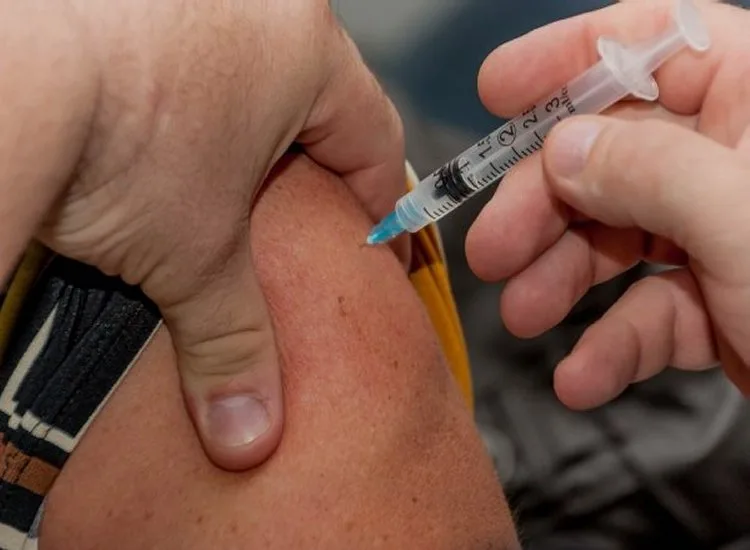
GLP-1 Regain Risk: Why Weight Loss Benefits Fade Fast After Stopping
A significant new meta-analysis highlights a critical challenge for individuals using GLP-1 medications like Semaglutide and Tirzepatide: rapid weight regain upon cessation. Researchers suggest obesity requires chronic management, similar to other long-term conditions.
6 min read
Oral GLP-1s for Weight Loss Maintenance: A New Frontier
A groundbreaking study reveals that switching to an oral GLP-1 medication like orforglipron can help individuals maintain a significant portion of their weight loss achieved with injectable therapies, offering a new avenue for long-term obesity management.
6 min read
Sustaining Weight Loss: Beyond Ozempic, Mounjaro & GLP-1 Therapies
Successfully losing weight with medications like Ozempic and Mounjaro is a significant achievement. However, the journey doesn't end there. This article explores how to maintain your progress and prevent weight regain after discontinuing these powerful GLP-1 receptor agonists.
8 min read