
BPC-157 Safety and Alternatives
Practical 2026 Guide
Review BPC-157 safety uncertainty and compare practical alternatives for tissue support and recovery tracking in 2026.
Decision framework when evidence quality is uneven
BPC-157 interest remains high, but evidence quality and product consistency questions require cautious decision-making. This page focuses on practical risk controls and alternative strategy design.
This aspect of the Bpc157 Safety And Alternatives protocol is particularly important for users who are tracking their response data systematically. Documenting your experience at each stage provides the longitudinal evidence needed to evaluate protocol effectiveness and make informed adjustments. Shotlee captures these data points automatically, building a comprehensive record that supports evidence-based decision making with your healthcare provider.
How to approach BPC-157 decisions
Execution quality, not novelty, usually determines outcome quality. Keep the protocol simple, measurable, and reviewable every week. When variables change, tag the change and monitor the next 7 to 14 days as a dedicated observation window before making additional adjustments.
Decision checklist
This aspect of the Bpc157 Safety And Alternatives protocol is particularly important for users who are tracking their response data systematically. Documenting your experience at each stage provides the longitudinal evidence needed to evaluate protocol effectiveness and make informed adjustments. Shotlee captures these data points automatically, building a comprehensive record that supports evidence-based decision making with your healthcare provider.
Decision matrix
Control Why it matters What to track Escalation trigger
This aspect of the Bpc157 Safety And Alternatives protocol is particularly important for users who are tracking their response data systematically. Documenting your experience at each stage provides the longitudinal evidence needed to evaluate protocol effectiveness and make informed adjustments. Shotlee captures these data points automatically, building a comprehensive record that supports evidence-based decision making with your healthcare provider.
Execution playbook
How Shotlee helps
shotleeFeatures
Guide FAQs
Review BPC-157 safety uncertainty and compare practical alternatives for tissue support and recovery tracking in 2026.
Yes. Shotlee supports tracking doses, side effects, and health metrics. It is free.
Track Your BPC-157 Protocol in Shotlee
Free dose logging, side effect tracking, and health metric monitoring for your complete protocol.
📚References & sources
Latest on BPC-157
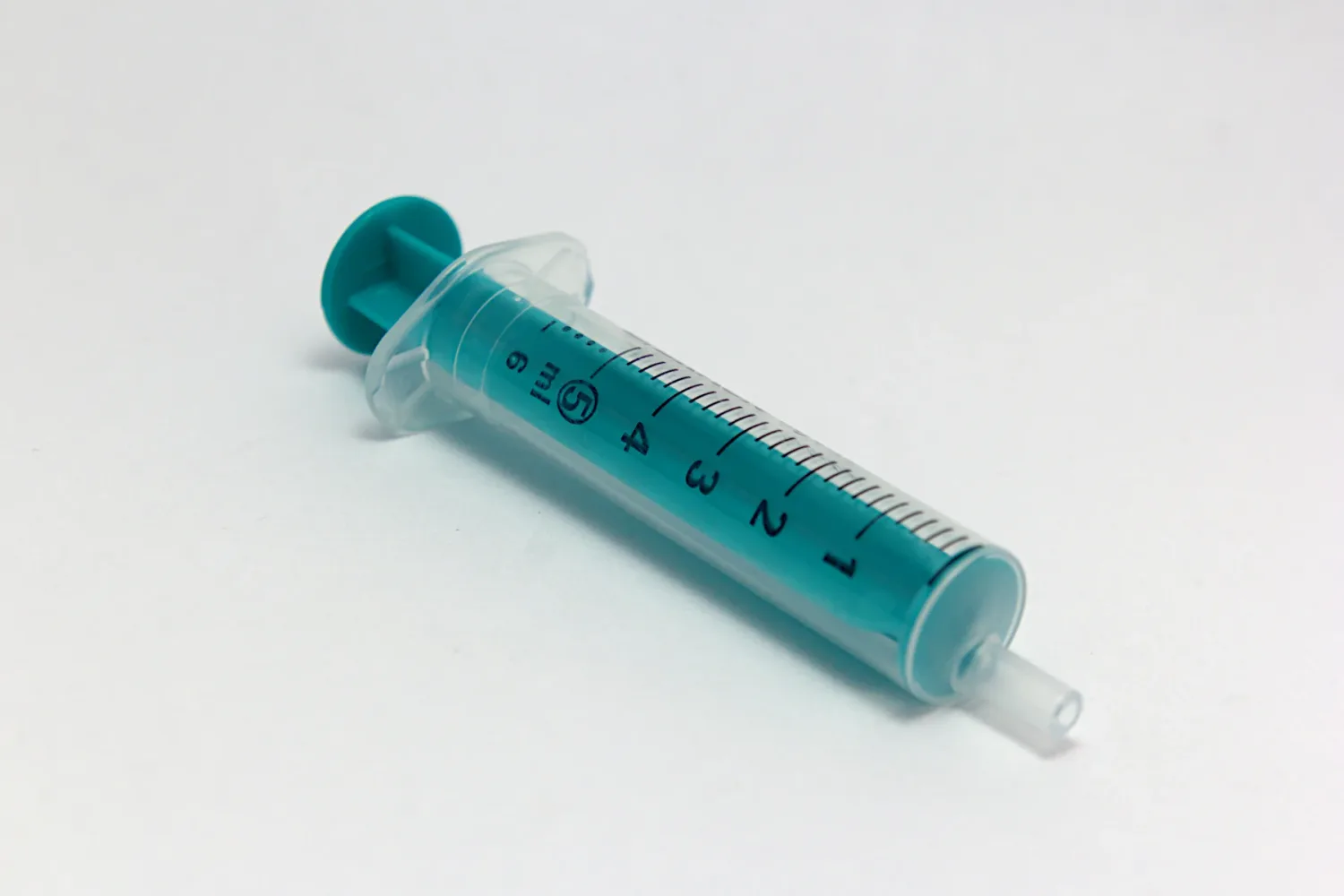
Illegal Peptide Shots in Brazil: The Hidden Risks for Expats
Foreign residents in Brazil face a growing grey market of unregulated injectable peptides. Here is what the health regulator Anvisa says about safety and legality.
7 min read
Peptides: Fad or Future? Unpacking the Hype for Skin, Weight Loss & More
From celebrity endorsements to GLP-1 weight loss drugs, peptides are everywhere. But what exactly are they, and can they deliver on their promises for skin health, longevity, and more? This article dives into the science, the trends, and the risks.
7 min read
Beyond Ozempic: Exploring the Expanding World of Peptide Therapeutics
Peptides are making waves in health and wellness, driven by the success of medications like Ozempic. This article delves into what peptides are, their growing applications, and the exciting future of peptide therapy.
8 min read