
Zepbound's Wider Reach: A New Era for Weight Management
The landscape of weight management is evolving, with new options and expanded access becoming increasingly available. A significant development is the collaboration between Eli Lilly and Walmart, making Zepbound (tirzepatide) available through Walmart pharmacies nationwide starting mid-November. This collaboration marks a step forward in increasing accessibility to GLP-1 receptor agonists, a class of medications revolutionizing approaches to metabolic health and weight loss. Understanding these advancements is key to navigating the evolving field of peptide therapy and achieving your health goals.
Unpacking Zepbound: What You Need to Know
What is Zepbound?
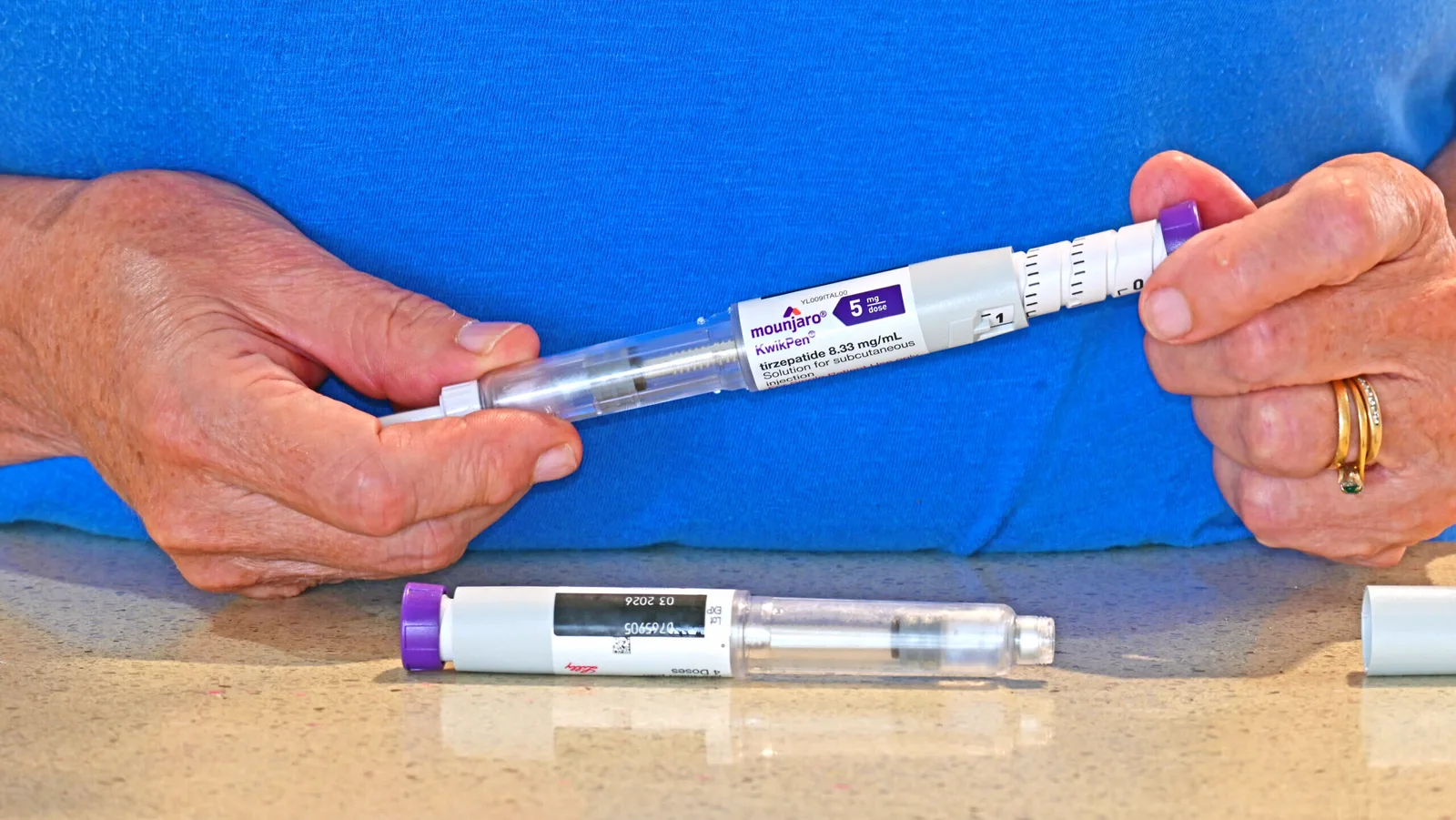
Zepbound (tirzepatide) is a medication approved by the FDA for chronic weight management in adults with obesity (BMI of 30 kg/m² or greater) or overweight (BMI of 27 kg/m² or greater) with at least one weight-related condition, such as high blood pressure, type 2 diabetes, or high cholesterol. It works by mimicking the effects of two naturally occurring hormones in the body, GLP-1 and GIP. This dual action helps regulate blood sugar levels, reduce appetite, and promote feelings of fullness.
Availability and Access: The Walmart Advantage
The collaboration with Walmart directly impacts access to Zepbound. Starting mid-November, single-dose vials of Zepbound will be available at Walmart pharmacies in all approved strengths. This provides a convenient and potentially more affordable option for individuals prescribed Zepbound. The lowest dose starts at $349 per month for those who self-pay. This expansion aims to simplify the process of obtaining this medication, particularly for individuals who prefer the convenience of picking up prescriptions at their local pharmacy.
How Does This Impact Weight Loss Journeys?
The increased availability of medications like Zepbound provides more options and support for individuals on their weight loss journeys. Weight loss, however, is rarely a simple equation. It's about a combination of factors, including diet, exercise, and, when appropriate, medication, all carefully orchestrated with the guidance of a healthcare professional. The key is to focus on a holistic approach that prioritizes long-term health and well-being, rather than short-term results.
Precision tracking for your journey
Join thousands using Shotlee to accurately track GLP-1 medications and side effects.
📱 Get the Shotlee App
Track your GLP-1 medications, peptides, and health metrics on the go with our mobile app!
Practical Takeaways: Making the Most of New Options
If you're considering Zepbound or similar medications, here's what to keep in mind:
- Consult with Your Doctor: Before starting any new medication, it's crucial to consult with your doctor. They can assess your individual needs and determine if Zepbound is appropriate for you.
- Understand the Side Effects: Like all medications, Zepbound can have side effects. Discuss potential risks and benefits with your healthcare provider.
- Embrace a Holistic Approach: Medication is often just one piece of the puzzle. Combine it with a balanced diet, regular exercise, and stress management techniques for optimal results.
Tracking Your Progress and Wellness
As you navigate your health and wellness journey, keeping track of your progress is essential. Understanding how you are doing, from changes to your weight to how you feel, will assist in your overall experience. Tools like Shotlee can help you track key metrics related to your health and wellness, offering valuable insights into your progress and enabling you to make informed decisions about your health.
Conclusion: A New Era of Weight Management
The increasing accessibility of medications like Zepbound represents a significant shift in the weight management landscape. By understanding the implications of these changes, consulting with healthcare professionals, and adopting a holistic approach to wellness, individuals can better navigate their health journeys and achieve their goals. Remember to prioritize your long-term well-being and make informed decisions based on expert guidance and reliable information.