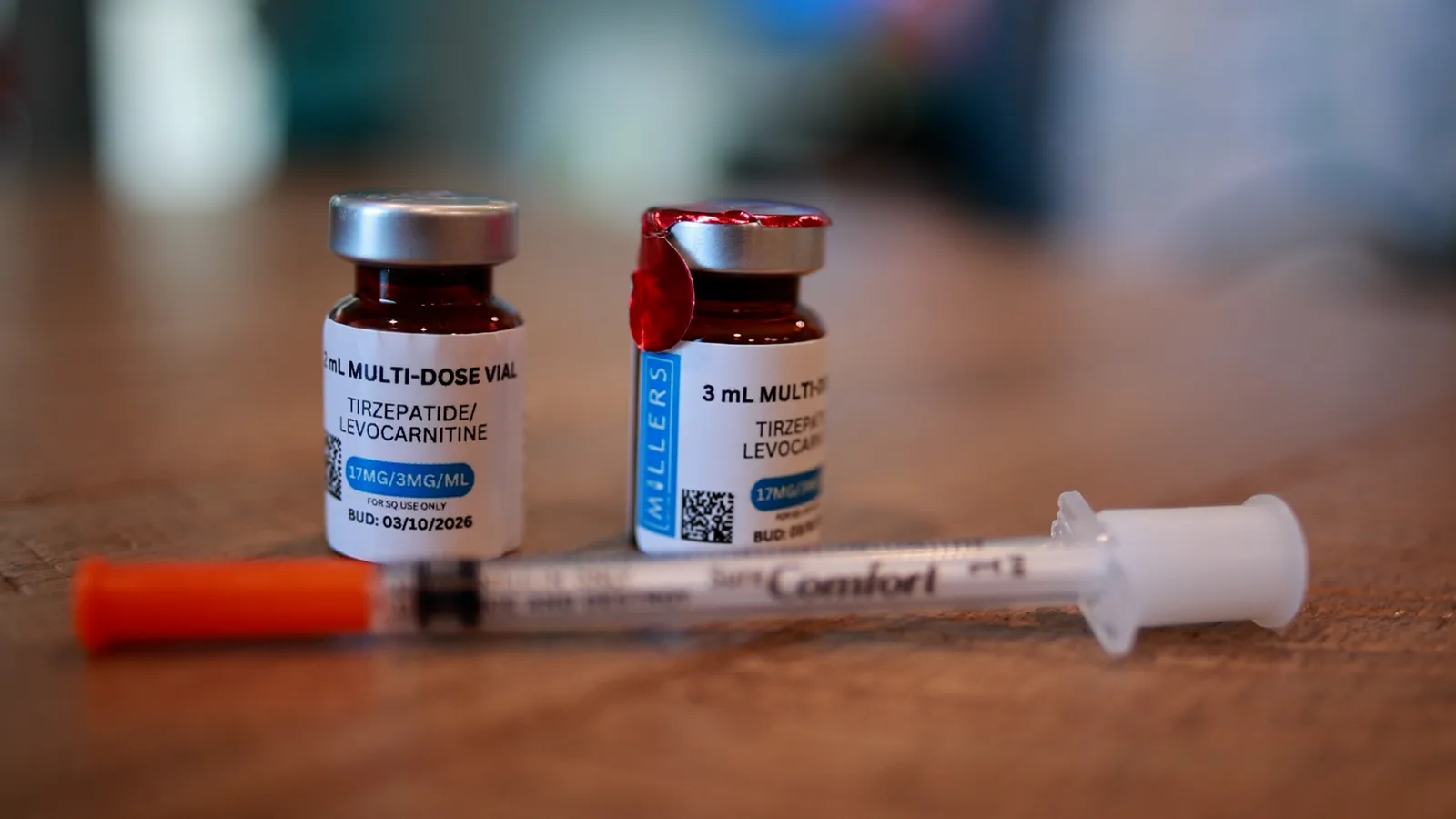

Beyond the Scale: GLP-1 Medications' Impact on Body and Mind
GLP-1 medications are transforming lives by addressing not just the scale, but overall well-being, including mental clarity and energy levels. Originally approved in 2005 for type 2 diabetes treatment, these drugs—such as Ozempic, Wegovy, Zepbound, and tirzepatide—have gained popularity for weight management, with surveys showing roughly one in eight Americans having tried them. As demand surges, including the recent release of a pill version of Wegovy (semaglutide), patients like Alexis Ioane are discovering benefits that extend beyond physical changes.
What Are GLP-1 Medications and How Do They Work?
GLP-1 receptor agonists mimic a natural hormone that regulates appetite and blood sugar. As explained by Dr. Steve Warren, medical director at Regenerative Wellness Center, "So basically, it's just that signal to say to your body, 'Hey, I'm full, I don't need any food.'" This mechanism helps control hunger, stabilizes glucose levels, and supports significant weight loss—typically 15 to 25 percent of body weight for the average person.
These weekly injections (or now, oral options like the new Wegovy pill) were first developed for metabolic conditions but have expanded to broader health concerns. For patients with high blood pressure, insulin resistance, or borderline diabetes, GLP-1s offer a targeted approach when combined with lifestyle changes.
From Diabetes to Weight Management: A Brief History
Since their 2005 approval, more versions have entered the market, making GLP-1 medications more accessible. Drugs like semaglutide (in Ozempic and Wegovy) and tirzepatide (in Zepbound) lead the way, often costing $150 to more than $1,000 per month depending on dosage, formulation, and insurance coverage.
Physical Benefits: Weight Loss, Energy, and Metabolic Health
Patients report profound physical shifts. Alexis Ioane, a mother of two struggling with high blood pressure, started tirzepatide two months ago despite her aversion to needles. After initial extreme fatigue, she noticed a drop on the scale and improved overall vitality. "I have a lot more energy for my kids. I have a lot more motivation," she shared.
Erykah Tuakimoana's journey is even more dramatic. Post her third baby, bloodwork revealed off insulin levels and borderline diabetes. Over three years on a GLP-1 medication, paired with better eating habits and strength training, she lost more than 100 pounds. "My body just was not changing and responding to literally anything," she said, emphasizing, "This isn't a quick fix; you have to change your lifestyle as well."
These stories highlight how GLP-1s quiet "food noise"—constant thoughts about eating. Tuakimoana noted, "I grew up constantly thinking about food... It really just keeps that food noise at bay." This suppression extends to metabolic improvements, reducing risks like type 2 diabetes progression.
Mental Health Impacts: A Double-Edged Sword
While physical gains are clear, GLP-1 medications' effects on the mind spark debate. Dr. Kristin Francis, a psychiatrist with Huntsman Mental Health Institute, is conflicted: "On one hand, we're being asked to have this idealized body type in our society, and on the other hand, we're being shamed if someone gets to it."
Some studies show mood improvements, but others suggest risks of anxiety or depression, especially for those with pre-existing conditions. Initial trials excluded participants with major depressive disorder or significant psychiatric history, leaving data gaps. "We just don't have enough information yet," Francis said. "We would say you need to proceed with caution and keep a good eye on your depressive and anxious symptoms."
Precision tracking for your journey
Join thousands using Shotlee to accurately track GLP-1 medications and side effects.
📱 Get the Shotlee App
Track your GLP-1 medications, peptides, and health metrics on the go with our mobile app!
Vulnerabilities for Specific Groups
Individuals with eating disorders face heightened risks. "Now there is a medication that can essentially change your weight and shape pretty quickly, and that definitely reinforces those eating disorder thoughts," Francis warned. The psychological boost from weight loss is real, though—Dr. Warren noted, "You cannot believe the psychological impact of losing that weight. They suddenly get confidence in themselves. They feel better. They work better at work."
Emerging research explores broader applications, like reducing cravings in alcohol and substance use. Francis added, "We're seeing something similar in alcohol and substance use as well, that it's quieting those cravings... Researchers are looking at how we would dose these medications to help someone be more successful in their sobriety."
Patient Stories: Real-Life Transformations
- Alexis Ioane: Embarrassed at first—"People kind of look at it as, 'Oh, you're doing it the easy way'"—she now prioritizes health. "I'm doing it for my kids and for myself—I want to go out and run with them and play with them. It's not just a goal weight, but goal health."
- Erykah Tuakimoana: "I feel like I have become a better version of myself. I never wanted my kids to feel like mommy needed to change the shape of her body... I just needed to be healthier."
Both underscore looking beyond the scale, focusing on presence and vitality for family.
Side Effects, Safety, and Medical Supervision
GLP-1s aren't without challenges. Common side effects include nausea, vomiting, constipation, muscle or hair loss, and a low but increased risk of pancreatitis. Initial fatigue, as Ioane experienced, is frequent but often subsides.
Dr. Warren stresses, "Nothing's going to be the magic pill to lose weight. You've got to put some work into it." These drugs are tools, not replacements for healthy habits, requiring close medical supervision for dosing and monitoring. Patients with mental health histories should discuss risks thoroughly. Apps like Shotlee can help track symptoms, side effects, or medication schedules for better doctor discussions.
Who Should Consider GLP-1 Medications?
Ideal candidates include those with obesity-related conditions like type 2 diabetes, high blood pressure, or insulin resistance, unresponsive to diet and exercise alone. Always consult a healthcare provider to weigh benefits against risks, especially mental health ones.
Cost, Accessibility, and Comparisons
Monthly costs range widely ($150–$1,000+), influenced by insurance. The new oral semaglutide pill offers an injection alternative, broadening options. Compared to traditional weight loss methods, GLP-1s provide faster, sustained results but demand commitment.
Key Takeaways for Patients
- GLP-1 medications like tirzepatide, Ozempic, Wegovy, and Zepbound promote 15-25% weight loss and reduce food noise.
- Monitor mental health closely, particularly with pre-existing anxiety, depression, or eating disorders.
- Combine with lifestyle changes under medical guidance to maximize benefits and minimize side effects like nausea or fatigue.
- Focus on holistic health—energy, clarity, and family time—not just the scale.
- Discuss with your doctor; track progress for personalized adjustments.
Conclusion: A Balanced Approach to GLP-1 Therapy
GLP-1 medications can be life-changing, quieting cravings and boosting confidence, as seen in stories from Alexis Ioane and Erykah Tuakimoana. Yet, experts like Drs. Francis and Warren emphasize they're not one-size-fits-all. Proceed with caution, prioritizing both body and mind under professional care. For metabolic health journeys, monitoring physical and psychological changes ensures sustainable success.