
Wales' Pause on Weight Loss Drugs: Understanding the Shift
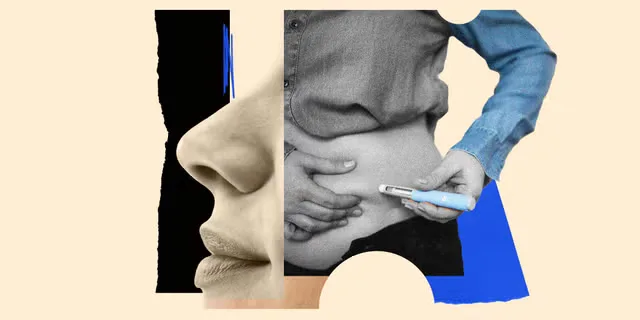
The Welsh government recently made headlines by pausing new prescriptions for weight loss medications like semaglutide (Wegovy) and tirzepatide (Mounjaro). This decision stems from an unprecedented surge in demand, far exceeding the capacity of the National Health Service (NHS) in Wales. While this news may be disappointing for those seeking these treatments, it highlights the growing interest in weight loss and the management of metabolic health. The goal is to build capacity and develop a new clinical pathway to make these medications available in a safe and equitable manner.
Why the Pause? Unpacking the Demand for GLP-1 Medications
The popularity of GLP-1 receptor agonists, like semaglutide and tirzepatide, has exploded. These medications, initially developed for type 2 diabetes, have shown remarkable efficacy in aiding weight loss and improving metabolic health. According to recent estimates, a significant portion of the Welsh population is eligible for these medications. This rapid increase in potential patients has strained the NHS, forcing the temporary pause. This situation underscores a broader trend: increasing awareness of obesity as a chronic condition and the growing demand for effective treatments, including peptide therapy for weight loss. The challenge lies in ensuring equitable access and sustainable healthcare models.
What are the implications for patients?
- New Prescriptions Paused: General Practitioners (GPs) are temporarily blocked from prescribing new weight loss drugs.
- Specialist Referrals: Prescriptions are now managed by specialist weight management services.
- Existing Treatments Continue: Individuals already receiving these medications can continue their prescriptions.
- Focus on Capacity Building: The Welsh government is developing a new clinical pathway to address the increased demand.
Beyond Medications: Fostering Sustainable Weight Loss and Wellness
While GLP-1 medications can be powerful tools, they're often most effective when integrated into a comprehensive wellness plan. This means focusing on lifestyle changes alongside any medical interventions. The new clinical pathway being developed by the Welsh government emphasizes the importance of managing obesity as a chronic, recurring condition, with associated wrap-around support. That means considering other approaches as well. Consider your diet, exercise, and overall health to ensure sustainable changes. Think of it like building a house – medication can be the foundation, but strong walls (healthy habits) and a solid roof (consistent lifestyle) are essential for long-term stability and metabolic health.
Key Aspects of a Holistic Approach:
- Nutrition: A balanced diet rich in whole foods, focusing on protein, fiber, and limiting processed foods.
- Exercise: Regular physical activity, incorporating both cardio and strength training.
- Stress Management: Techniques such as meditation, yoga, or spending time in nature.
- Sleep: Prioritizing sufficient sleep (7-9 hours) for optimal hormone regulation.
Actionable Insights and Practical Takeaways
Even without access to GLP-1 medications, there are many steps you can take to improve your weight loss journey and overall well-being. Focus on building sustainable habits rather than seeking quick fixes. This involves making small, consistent changes that you can maintain over time. Start by tracking your meals and activity levels; this will provide valuable insights into your current habits and areas for improvement. Prioritize sleep, reduce stress, and find enjoyable forms of exercise to make the process more sustainable.
Precision tracking for your journey
Join thousands using Shotlee to accurately track GLP-1 medications and side effects.
📱 Get the Shotlee App
Track your GLP-1 medications, peptides, and health metrics on the go with our mobile app!
Remember that consulting with healthcare professionals, such as doctors or registered dietitians, is crucial for personalized guidance and support. They can provide tailored advice and help you navigate your journey toward better health.
Tracking Your Progress & Wellness Journey
Understanding your health metrics is essential for reaching your goals. Tools like Shotlee can help track important data like weight, activity levels, food intake, and other relevant health metrics. By monitoring these factors, you can make informed decisions and track your progress over time. Ultimately, this approach fosters self-awareness and empowers you to build healthier habits for lasting results.
Conclusion: Navigating the Path to a Healthier You
The Welsh government's pause on weight loss drug prescriptions highlights the complexities of healthcare demand and access. While waiting for new developments, it is essential to focus on overall well-being. Prioritizing lifestyle changes can significantly improve your health and support your weight loss efforts. By embracing a holistic approach, which includes balanced nutrition, regular exercise, effective stress management, and, if appropriate, medical supervision, you can create a sustainable path toward a healthier and more vibrant life.