
There's a glimmer of hope in the fight against obesity! Recent survey data indicates a decline in obesity rates in the US, sparking a wave of discussion about the contributing factors. Could GLP-1 drugs, like Ozempic and Wegovy, be a key player in this positive shift? Let's dive into the details and explore what this means for your health and wellness.
The Numbers: A Promising Trend
According to a survey by Gallup, the percentage of obese adults in the US has decreased to 37%, down from a peak of 39.9%. This represents a significant reduction, translating to millions of fewer people classified as obese. This is great news, as it potentially means fewer cases of related health complications like heart disease, stroke, and certain cancers.
This is a positive step forward, but it's essential to remember that obesity remains a serious health concern globally. For instance, the UK reported obesity rates of 28% in 2022, and Australia at 31.7% in 2022-23. The World Health Organization (WHO) defines obesity as a Body Mass Index (BMI) of 30 or higher, calculated based on height and weight.
The Rise of GLP-1 Medications
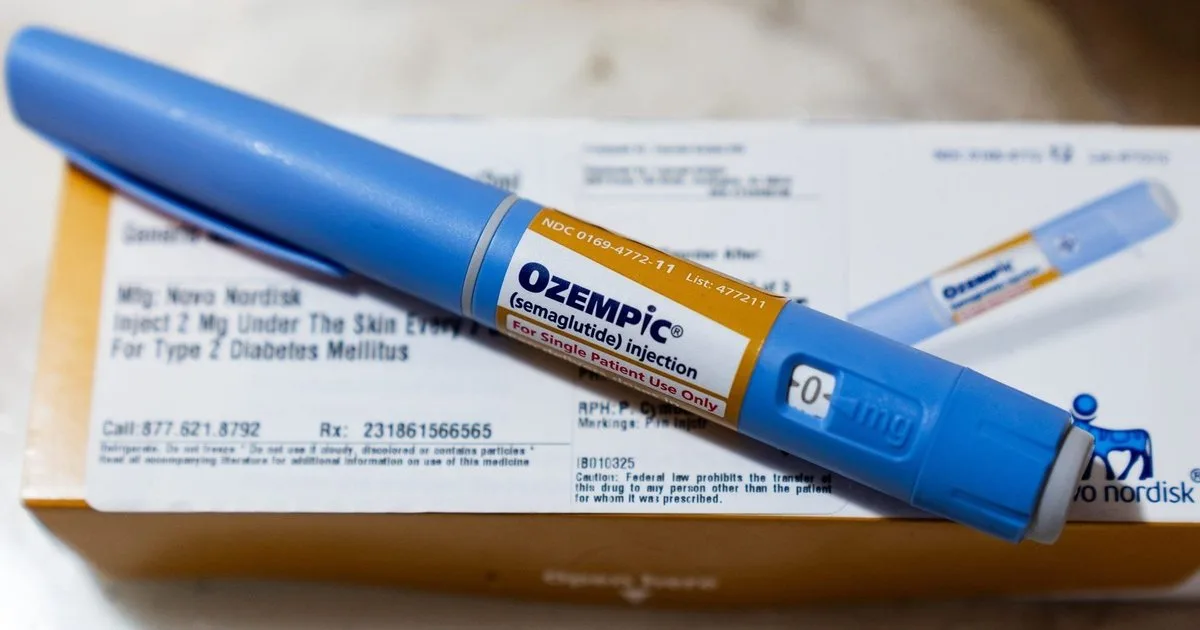
The survey also highlighted the increasing use of GLP-1 drugs, with usage nearly doubling. These medications, which include semaglutide (Ozempic, Wegovy) and others, have gained considerable attention for their potential to aid weight loss. People are more familiar with these drugs than ever before, which could be part of the reason for the obesity rate decrease.
GLP-1 is a natural hormone that plays a crucial role in regulating appetite, slowing digestion, and managing blood sugar. Medications like Ozempic and Wegovy mimic the action of this hormone, providing a new approach to weight management and overall health improvement. They've also shown potential in impacting metabolic health.
Precision tracking for your journey
Join thousands using Shotlee to accurately track GLP-1 medications and side effects.
📱 Get the Shotlee App
Track your GLP-1 medications, peptides, and health metrics on the go with our mobile app!
Understanding GLP-1 Drugs: How They Work
Mechanism of Action
GLP-1 drugs work by activating the same pathways in the brain as the naturally occurring hormone. This leads to a cascade of effects, including reduced appetite, increased feelings of fullness, and improved blood sugar control. Think of it like a remote control for your hunger, helping you feel satisfied with less food.
Semaglutide is one of the more popular GLP-1 agonists, with both Ozempic and Wegovy containing it. Originally designed to treat type 2 diabetes, these medications have proven effective for weight management.
Practical Takeaways: What This Means for You
- Discuss with your doctor: If you're struggling with weight management, talk to your healthcare provider about whether GLP-1 medications are right for you. They can assess your individual health profile and provide guidance.
- Focus on lifestyle: Remember that GLP-1 drugs, when used, can be a tool. Combine them with a healthy diet and regular exercise to maximize results.
- Prioritize metabolic health: Regardless of whether you're using medication, a focus on metabolic health can lead to better health outcomes in general.
Natural Shotlee Integration (if relevant)
Managing weight loss often involves tracking multiple metrics. Tools like Shotlee can help track important data like weight, activity levels, and even food intake, providing valuable insights into your progress. Having access to these key measurements can help you stay on track.
Conclusion: A Path Forward for Weight Management
The recent decline in US obesity rates is encouraging news, suggesting that interventions like GLP-1 medications may be making a difference. While challenges remain, this trend offers a glimpse of hope for improved public health. By understanding the science behind these medications, discussing options with healthcare providers, and adopting a holistic approach to wellness, we can collectively strive towards a healthier future. Remember, it's about making sustainable lifestyle changes and focusing on your overall health and well-being.