
Understanding the Shift in Obesity Management
The landscape of weight management has been fundamentally altered by the introduction of incretin-based therapies. As obesity affects over 70% of the U.S. adult population, the clinical focus has shifted from simple calorie restriction to addressing the underlying metabolic dysfunction. Two primary players, tirzepatide and semaglutide, have emerged as the gold standard, but patients and providers are increasingly asking: which offers better long-term value?
The SURMOUNT-5 Clinical Context
A recent study published in the Journal of Medical Economics utilized data from the SURMOUNT-5 head-to-head trial to model the lifetime economic and health implications of these two medications. By simulating a population of adults with obesity or overweight (BMI ≥30 or ≥27 with complications), researchers evaluated not just weight loss, but the prevention of chronic conditions like Type 2 Diabetes (T2D) and Cardiovascular Disease (CVD).
How These Medications Work
Both drugs mimic hormones that regulate appetite and blood sugar:
Precision tracking for your journey
Join thousands using Shotlee to accurately track GLP-1 medications and side effects.
📱 Get the Shotlee App
Track your GLP-1 medications, peptides, and health metrics on the go with our mobile app!
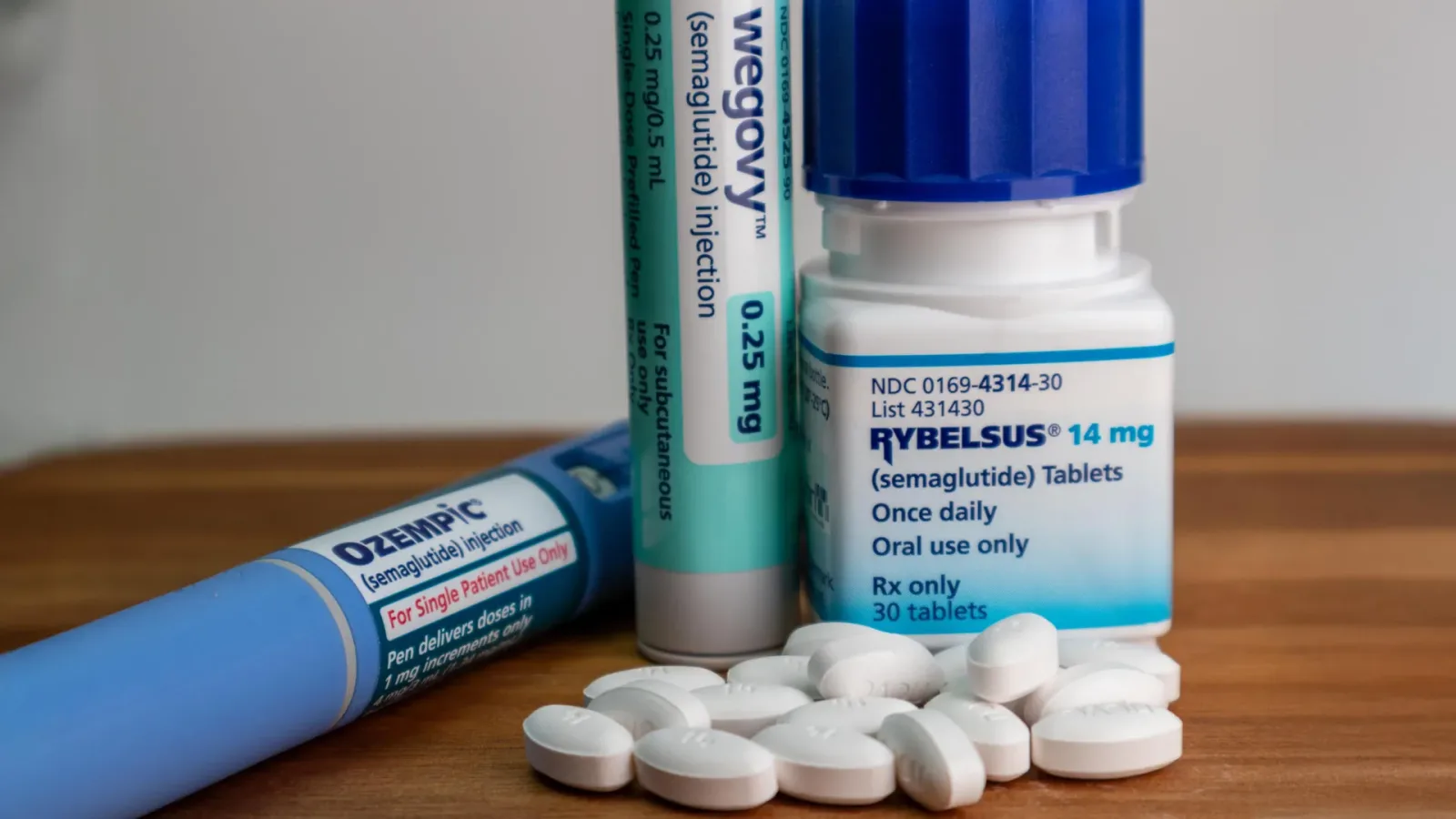
- Semaglutide: A GLP-1 receptor agonist that slows gastric emptying and signals satiety to the brain.
- Tirzepatide: A dual GIP and GLP-1 receptor agonist. By activating both receptors, it provides a synergistic effect on metabolic regulation, often leading to more robust weight loss and improved glycemic control.
Key Findings: Cost and Clinical Outcomes
The simulation revealed that tirzepatide provided superior outcomes across several metrics:
- Economic Value: Tirzepatide was projected to save $41,688 per patient over a lifetime compared to semaglutide.
- Health Gains: Patients gained an additional 0.506 Quality-Adjusted Life Years (QALYs).
- Disease Prevention: For every 1,000 patients, tirzepatide was modeled to result in 70 fewer cases of T2D and 10 fewer cases of CVD.
- Productivity: Patients experienced five fewer days of reduced productivity per year, indicating significant societal benefits.
What This Means for Patients
If you are considering these medications, it is vital to discuss your specific metabolic profile with your healthcare provider. While tirzepatide showed superior modeled outcomes, individual responses vary. Always disclose your medical history, particularly regarding thyroid conditions or family history of endocrine tumors, as these are contraindications for GLP-1 therapy.
Key Takeaways
- Tirzepatide demonstrated higher efficacy in achieving normoglycemia (87.5% vs 76.88% at 72 weeks).
- The reduction in Obstructive Sleep Apnea (OSA) incidence suggests improved long-term quality of life.
- Long-term value analysis favors medications that prevent secondary complications, not just those that lower the scale weight.