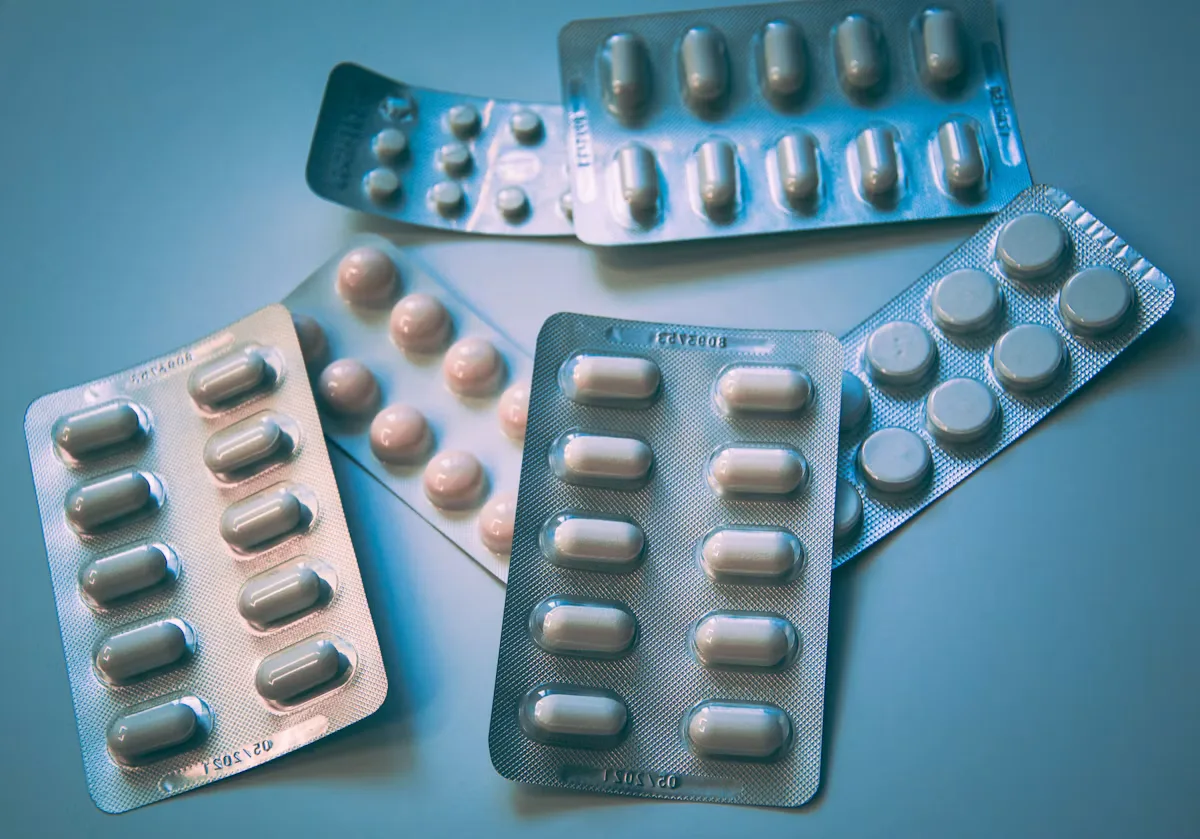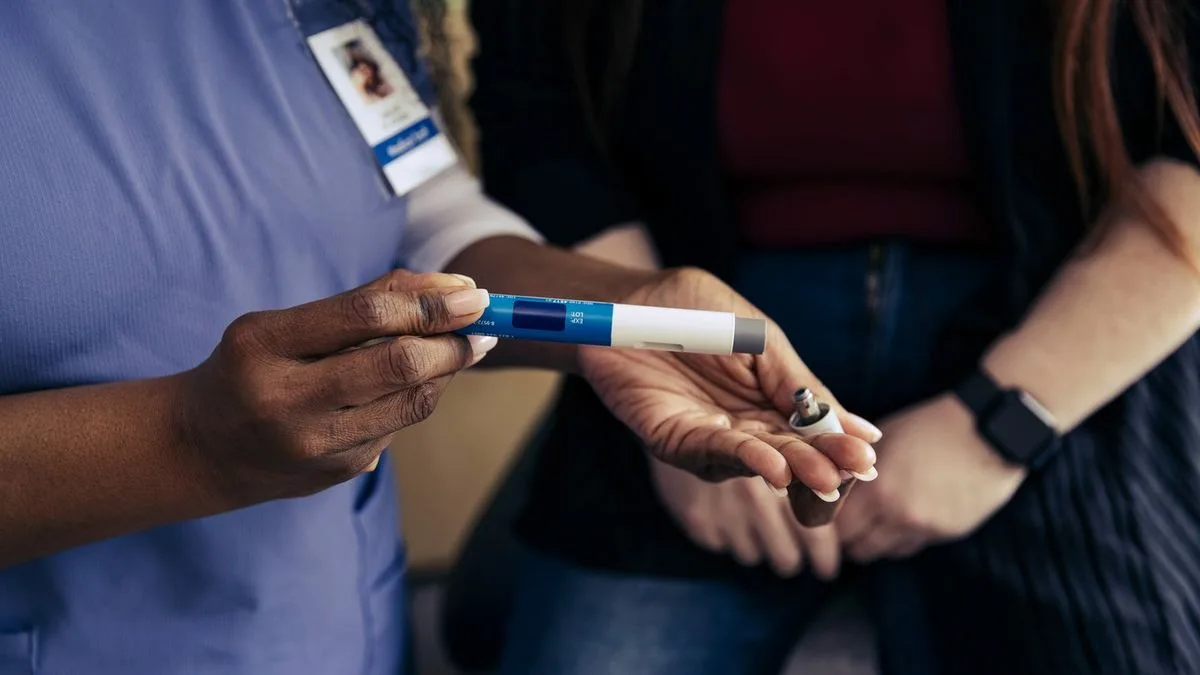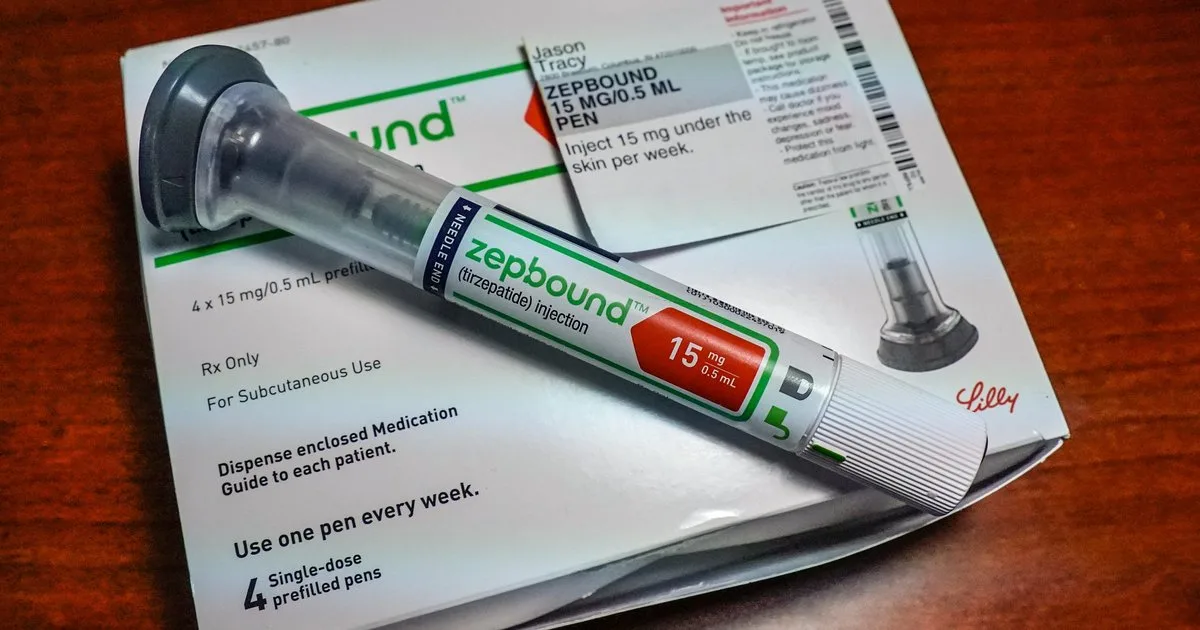

GLP-1 medications, such as Ozempic, have surged in popularity for weight loss, with nearly 1 in 5 Americans having tried them according to KFF research. But as patient stories like Jelon Smart's illustrate, achieving and maintaining results requires more than weekly injections. Severe ankle pain from Achilles tendinitis prompted Smart, then 285 pounds and a caterer in Savannah, Georgia, to start Ozempic a year and a half ago. Her ankles swelled "as swollen as a football" after long hours on her feet, leading to a limp. The orthopedic doctor recommended weight loss, and Ozempic's appetite suppression helped her shed 30 pounds initially without other changes.
Understanding GLP-1 Medications and Their Role in Weight Loss
GLP-1 receptor agonists like Ozempic (semaglutide) mimic the glucagon-like peptide-1 hormone, which regulates blood sugar, slows gastric emptying, and signals fullness to the brain. This mechanism reduces appetite and caloric intake, making them effective for weight management in obesity and type 2 diabetes. However, as Dafina Allen, an obesity medicine physician in Saginaw, Michigan, explains, these drugs don't override foundational health principles. Hormones, metabolism, and genetics also influence outcomes, meaning GLP-1s amplify—but don't replace—lifestyle efforts.
Smart's experience highlights a common pattern: rapid initial loss followed by a plateau. "I lost 30 pounds initially without changing anything," said Smart, 48. To break through, she incorporated gym sessions six days a week, dropping to 175 pounds. Her ankle swelling and pain resolved, underscoring how GLP-1s pair best with movement.
The Old-School Rules: Exercise, Nutrition, and Sleep Still Matter
Why Movement is Essential with GLP-1s
Regular exercise enhances GLP-1 efficacy by building muscle mass, boosting metabolism, and improving insulin sensitivity. Allen notes that some patients eat less on GLP-1s but neglect activity, failing to optimize health. "They're not improving the quality of the food they're eating," she said. For those with joint issues like Smart's tendinitis, low-impact options such as swimming, cycling, or walking build endurance without strain.
Patients should aim for 150 minutes of moderate aerobic activity weekly, per guidelines, plus strength training. This not only sustains weight loss but preserves lean mass often lost during rapid reduction on GLP-1s.
Nutrition and Sleep Synergies
Smart food choices—prioritizing protein, fiber, and whole foods—complement appetite suppression. Allen emphasizes nutrient-dense meals to prevent deficiencies. Adequate sleep (7-9 hours) regulates hunger hormones like ghrelin and leptin, amplifying GLP-1 effects. Tracking progress with apps or tools like Shotlee for medication schedules and activity logs can help maintain consistency.
Mental Health: The Overlooked Pillar of GLP-1 Success
The mind-body connection is profound in weight loss. Food and body image trigger emotional responses, and even major losses don't guarantee satisfaction. "I can tell you about the patients that I helped lose 50 pounds, that I helped lose 100 pounds, and they still look in the mirror and are not happy," Allen said.
Precision tracking for your journey
Join thousands using Shotlee to accurately track GLP-1 medications and side effects.
📱 Get the Shotlee App
Track your GLP-1 medications, peptides, and health metrics on the go with our mobile app!
Gerald Onuoha, an internal medicine practitioner in Nashville, Tennessee, advocates addressing mental health proactively. "Making sure that you're talking to people about your problems, whether it's a family member or a licensed professional, I think goes a long way," he said. Therapy, support groups, or mindfulness can combat disordered eating or depression exacerbated by body changes. For GLP-1 users, monitoring mood alongside weight prevents yo-yo dieting.
Safe Dosing and Monitoring: Avoid Common Pitfalls
Adhering to Prescribed Schedules
Rushing dosage increases risks severe issues. Onuoha has treated patients hospitalized for pancreatitis, gallstones, or acute kidney injury from improper use. "I always ask patients that are on GLP-1s: How long have they been on them? Are they adhering to the directions? Because those things determine whether or not you're going to have those complications," he said.
Standard Ozempic titration starts low (0.25 mg weekly) to minimize nausea, building gradually. Regular doctor check-ins monitor labs like kidney function and A1C.
Risks of Unregulated Sources
Online pharmacies offer cheaper, easier access but often skip education. Allen warns: "They might just go online, find a random company that will ship it to their house, where they don't even know what dose of the medication they're taking, or even if the medicine is safe for them as the patient with the medical conditions they have." Counterfeit risks heighten dangers. Tools like Shotlee for logging side effects can flag issues early, prompting medical advice.
Access, Cost, and Policy Challenges
GLP-1s are pricey, with limited coverage for weight loss. Most insurance doesn't cover obesity treatment; Medicaid (69 million enrollees) funds them for diabetes in all states but obesity in only about a dozen. Medicare plans temporary weight loss coverage from July. Patients should discuss affordability, generics like semaglutide, or assistance programs with providers.
Key Takeaways: What This Means for GLP-1 Patients
- Combine with Lifestyle: Exercise 6 days/week like Smart, prioritize nutrition and sleep for sustained loss.
- Prioritize Mental Health: Seek therapy or support to navigate emotional hurdles.
- Monitor Dosing Closely: Follow doctor-guided titration; watch for pancreatitis, gallstones, kidney issues.
- Choose Reputable Sources: Avoid unregulated online buys; verify safety.
- Track Holistically: Use journals or apps for symptoms, adherence, and progress.
Conclusion: A Comprehensive Approach to GLP-1 Therapy
Jelon Smart's transformation from 285 to 175 pounds on Ozempic proves GLP-1s work best integrated with movement, mental wellness, and vigilant monitoring. Doctors Allen and Onuoha reinforce that while these drugs transform weight loss, the "old-school rules" ensure lasting health. Consult your physician to tailor GLP-1 therapy, discuss risks, and build a full plan. Sustainable change comes from addressing body, mind, and habits together.
This article draws from KFF Health News reporting by Cara Anthony and Blake Farmer, with contributions from Katherine Ruppelt at Nashville Public Radio. HealthQ series navigates complex healthcare.