
The Perils of Unregulated Weight Loss Drugs: A Retatrutide Case Study
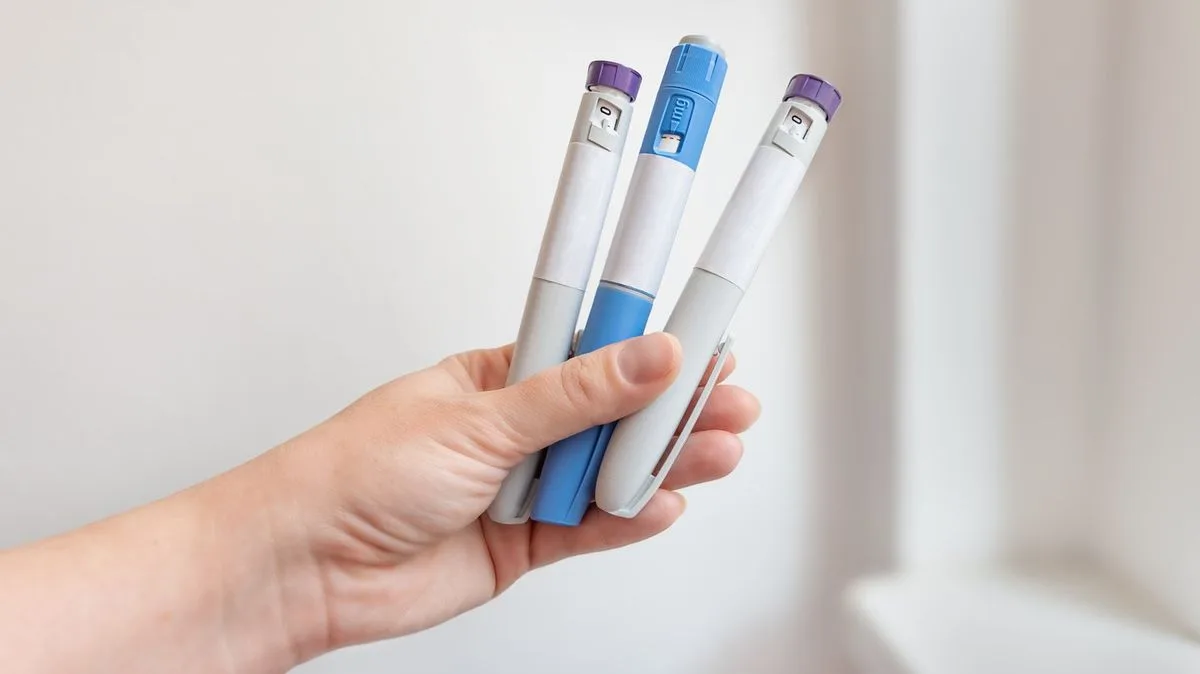
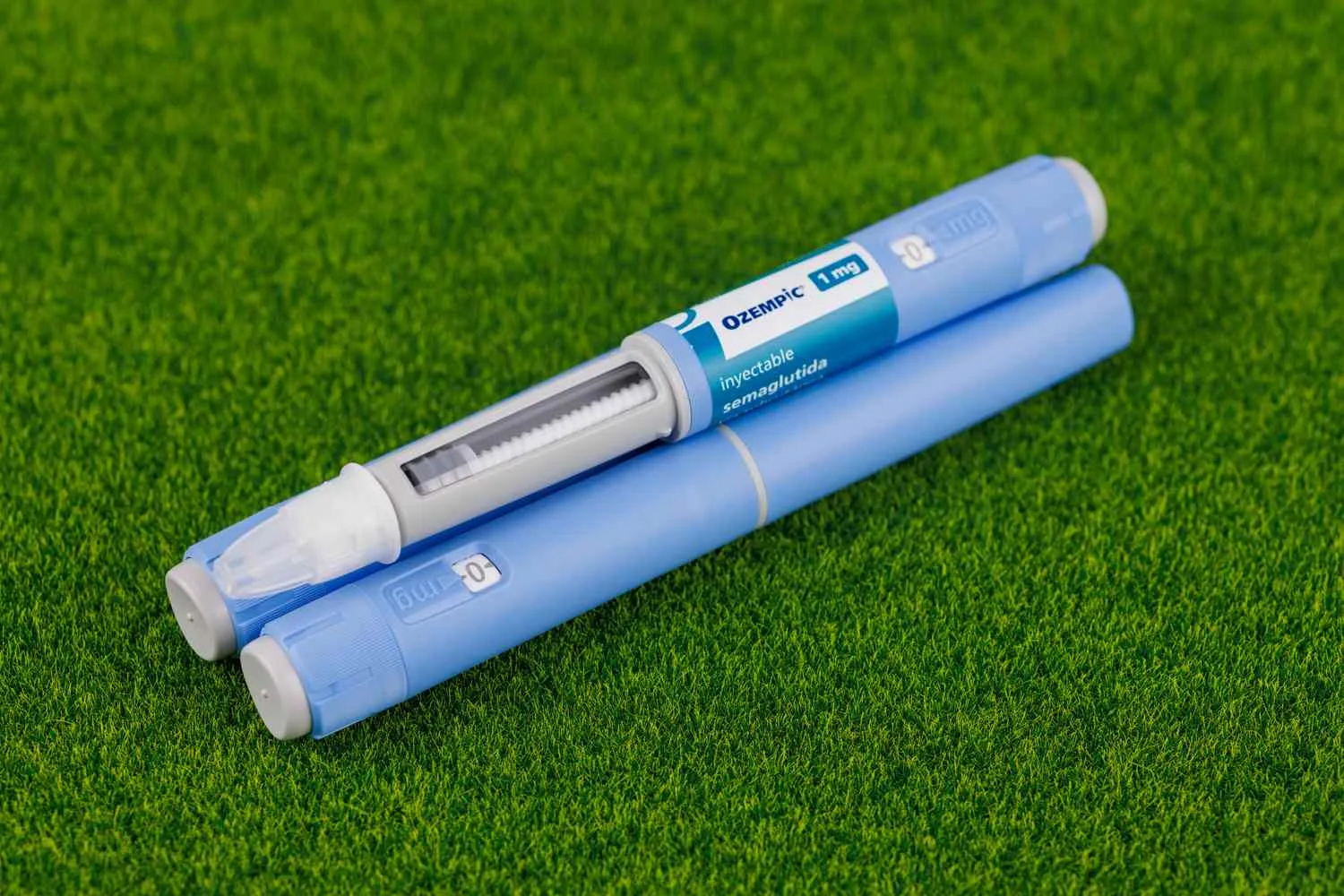
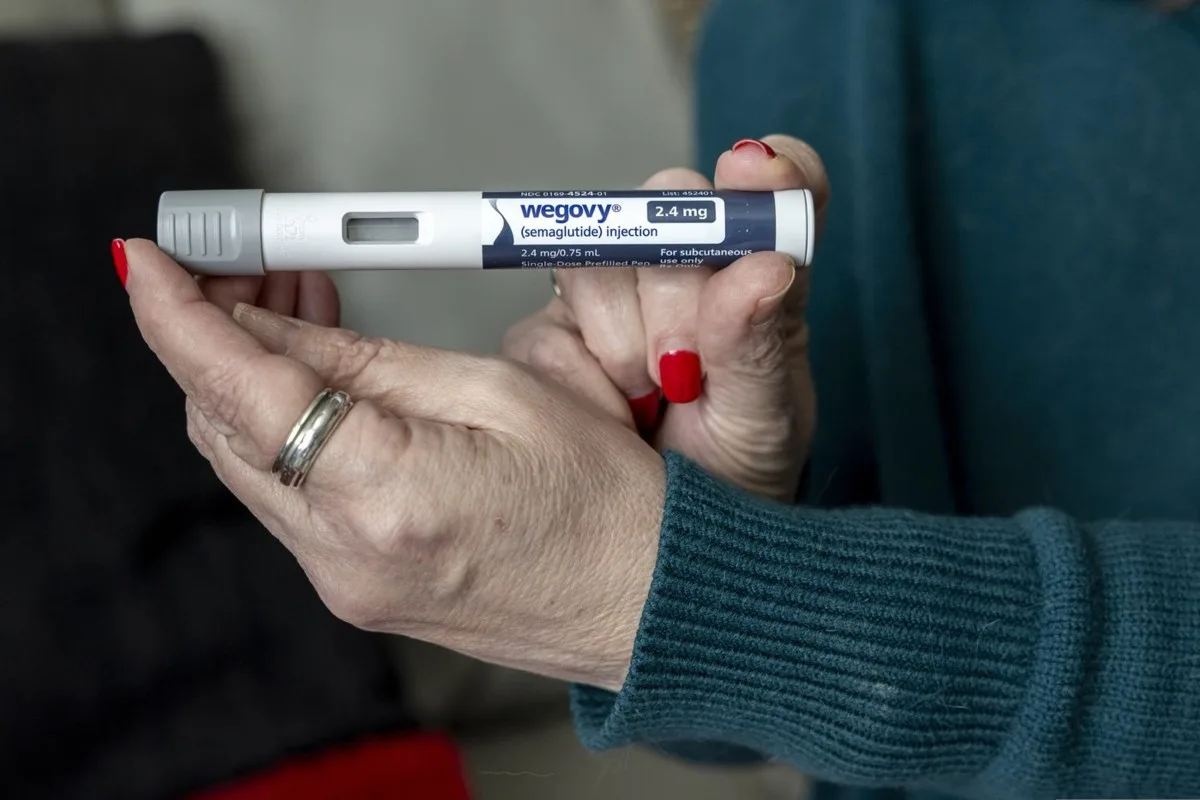
The pursuit of effective weight loss solutions has led to remarkable advancements in pharmaceutical science, particularly with the advent of GLP-1 receptor agonists. Medications like semaglutide (Ozempic, Wegovy) and tirzepatide (Mounjaro) have revolutionized obesity management. However, the immense promise of these drugs has also unfortunately fueled a burgeoning black market, where unapproved and potentially dangerous substances are peddled online. A recent case report detailing a 32-year-old man's severe adverse reaction to an experimental GLP-1 drug, retatrutide, underscores the critical importance of medical supervision and regulatory oversight in accessing these powerful treatments.
A Painful Lesson in Overdosing on Retatrutide
Dr. Opeyemi Komolafe, an internist at the Medical University of South Carolina's Marion Medical Center, documented a striking case in the Annals of Internal Medicine Clinical Cases. The patient, a 32-year-old man with a body mass index (BMI) of 34, was seeking to lose weight and had been prescribed an experimental GLP-1 medication called retatrutide. He was initially on a weekly 10-milligram dose and had recently increased it to 20 milligrams.
Tragically, the man mistakenly administered a second 20-milligram dose the following day, unaware he had already taken his weekly injection. This accidental overdose resulted in a staggering 40 milligrams of retatrutide entering his system – a dose significantly higher than what is typically used even in clinical trials.
Symptoms of Accidental Overdose
Within hours of taking the double dose, the man began experiencing severe, unrelenting diarrhea. His condition rapidly deteriorated, leading him to seek emergency medical attention. At the hospital, he reported visiting the bathroom every 20 to 30 minutes, totaling up to 30 bowel movements a day. He also suffered from abdominal cramps and nausea, though he did not vomit. Crucially, his stools were free of blood and mucus, which helped clinicians rule out infectious causes.
The man readily admitted to taking the extra dose of retatrutide purchased online. This admission, coupled with the timing of his symptoms, pointed directly to the experimental drug as the culprit.
Hospitalization and Recovery
Upon admission, extensive tests were conducted to identify other potential causes for his severe gastrointestinal distress. However, all other likely explanations were ruled out. The constant and extreme fluid loss led to dehydration and acute kidney damage. Fortunately, once hospitalized and under medical care, his condition stabilized. Doctors focused on rehydration, electrolyte replacement (specifically potassium), and symptom management with appropriate medications.
His kidney function gradually improved, and he was discharged after four days. A follow-up visit a week later confirmed his full recovery. Following his hospital discharge, he was referred to a primary care physician for "structured, holistic, and regulated care for his weight loss concerns," emphasizing the need for a supervised approach to weight management.
Understanding Retatrutide and the GLP-1 Family
Retatrutide is an investigational drug developed by Eli Lilly, the same pharmaceutical giant behind tirzepatide. What makes retatrutide particularly groundbreaking is its mechanism of action. While GLP-1 agonists like semaglutide mimic the glucagon-like peptide-1 (GLP-1) hormone, which plays a role in appetite regulation and insulin secretion, retatrutide is a triple agonist. It mimics not only GLP-1 but also glucose-dependent insulinotropic polypeptide (GIP) and glucagon.
Precision tracking for your journey
Join thousands using Shotlee to accurately track GLP-1 medications and side effects.
📱 Get the Shotlee App
Track your GLP-1 medications, peptides, and health metrics on the go with our mobile app!
The Power of Triple Agonism
This triple-action approach targets multiple pathways involved in metabolism and appetite control. The combined effect appears to be exceptionally potent in promoting weight loss. In late-stage clinical trials, individuals receiving the highest doses of retatrutide have experienced an average weight loss of 28% of their baseline body weight. These results are so dramatic that they rival the effectiveness of traditional bariatric surgeries, a benchmark in obesity treatment.
The remarkable efficacy of retatrutide has led to a situation where some participants in clinical trials have reportedly discontinued the medication because they were losing weight too rapidly. While retatrutide is still undergoing rigorous Phase III trials, its eventual regulatory approval in the U.S. and other countries is widely anticipated.
The Dangers of the Black Market for Peptide Therapies
The impressive clinical results associated with retatrutide and other advanced weight loss drugs have unfortunately spurred the growth of an illicit market. Less reputable companies, often operating with questionable manufacturing standards and sourcing from regions like China, are distributing and selling these potent compounds, including retatrutide and other unregulated peptides, to individuals worldwide. This unregulated access poses significant risks:
- Unknown Purity and Potency: Medications purchased from the black market may not contain the advertised active ingredient, could be contaminated, or have vastly different concentrations than stated.
- Lack of Medical Supervision: Without a healthcare professional's guidance, individuals may not understand the correct dosage, potential side effects, or contraindications, leading to dangerous situations like accidental overdosing.
- Unforeseen Side Effects: The case of severe diarrhea highlights that even approved drugs can have side effects, which can be amplified or entirely new when dealing with unregulated versions.
- Delayed or Missed Diagnoses: Self-treating with unregulated substances can mask underlying health issues or delay proper medical diagnosis and treatment for weight-related conditions.
It is crucial to note that the highest dose of retatrutide used in clinical trials to date is 12 milligrams. The patient in this case report was taking nearly double that dose before his accidental overdose, illustrating the immense danger of self-administering medications without professional oversight.
Navigating Weight Loss with GLP-1s Safely
The development of GLP-1 agonists and related peptide therapies represents a significant leap forward in the fight against obesity. These medications, when prescribed and monitored by qualified healthcare professionals, can offer life-changing benefits for individuals struggling with excess weight and its associated health complications, such as type 2 diabetes, heart disease, and sleep apnea.
However, like all potent medications, they come with potential side effects and risks. These risks are exponentially amplified when individuals bypass the established healthcare system and acquire these drugs through unregulated channels. The case of retatrutide overdose serves as a potent reminder that:
- Medical Supervision is Paramount: Always consult with a doctor before starting any weight loss medication, including GLP-1s. They can assess your individual health status, determine the most appropriate treatment, and monitor your progress.
- Source Matters: Only obtain medications from licensed pharmacies and through legitimate prescriptions. Be wary of online offers that seem too good to be true.
- Understand Your Medication: Educate yourself about the medication you are taking, including its intended use, dosage, potential side effects, and interactions.
- Track Your Progress and Symptoms: Using tools like the Shotlee app can help you meticulously record your medication doses, track your weight, monitor for any side effects, and share this valuable data with your healthcare provider. This proactive approach ensures safer and more effective treatment.
Conclusion
The story of the man who suffered severe diarrhea from a retatrutide overdose is a critical cautionary tale. It highlights the profound risks associated with obtaining and using unapproved pharmaceuticals outside of a regulated medical framework. While the future of weight loss medication is incredibly promising, patient safety must remain the top priority. Adhering to medical advice, sourcing medications responsibly, and engaging in a collaborative relationship with healthcare providers are essential for harnessing the benefits of these powerful therapies while mitigating their potential dangers. For those on a weight loss journey, embracing a holistic and regulated approach, potentially aided by health tracking technologies, is the safest and most effective path forward.
Practical Takeaways
- Prioritize Medical Consultation: Never self-medicate for weight loss. Always consult a doctor to discuss safe and effective options.
- Beware of Online Sources: Unregulated online pharmacies are a significant risk. Stick to licensed providers.
- Understand Dosage: Accidental overdoses can have severe consequences. Carefully follow prescribed instructions.
- Monitor Your Health: Keep a detailed record of your medication, diet, exercise, and any symptoms. Tools like Shotlee can be invaluable for this.
- Report Adverse Events: If you experience unusual or severe symptoms, seek medical attention immediately and report the issue.