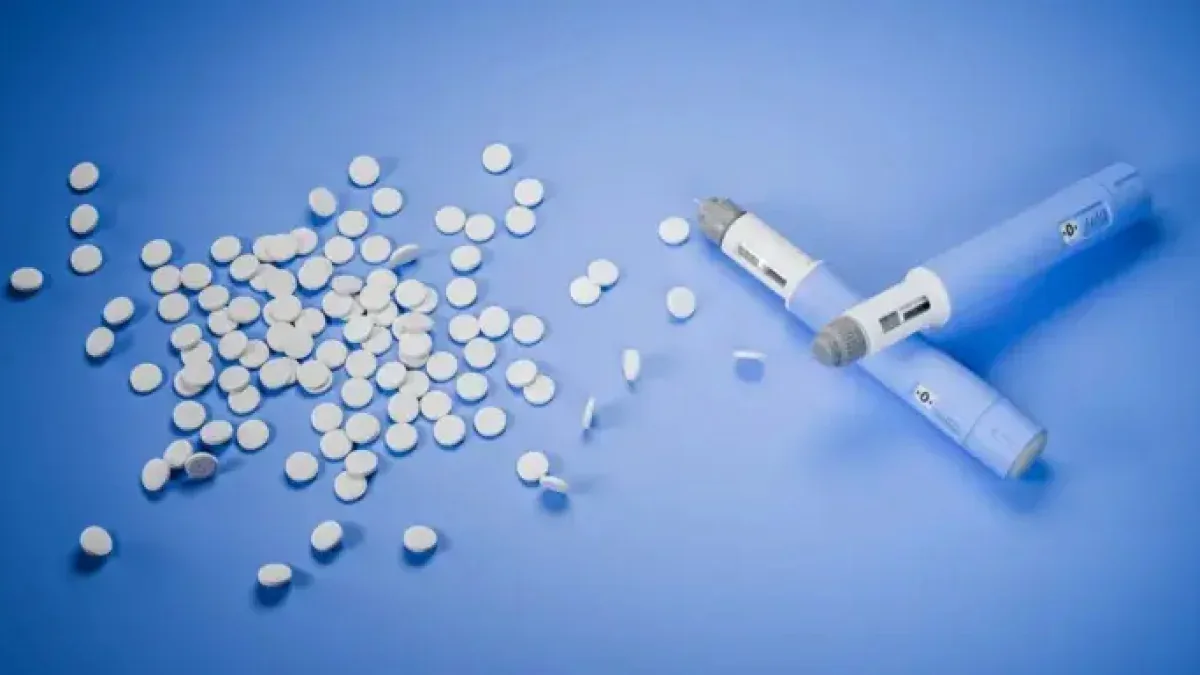

Foundayo weight loss pill is now cleared for the U.S. market after the Federal Food and Drug Administration approved the medication on April 1 (ET). This newly approved GLP-1 pill from Eli Lilly targets adults with obesity, adults who are overweight, or adults with weight-related health conditions. Its standout feature? It can be taken at any time of day without food or water restrictions, addressing a key barrier in oral GLP-1 therapy.
What the FDA Approval Means for Weight Loss Treatment
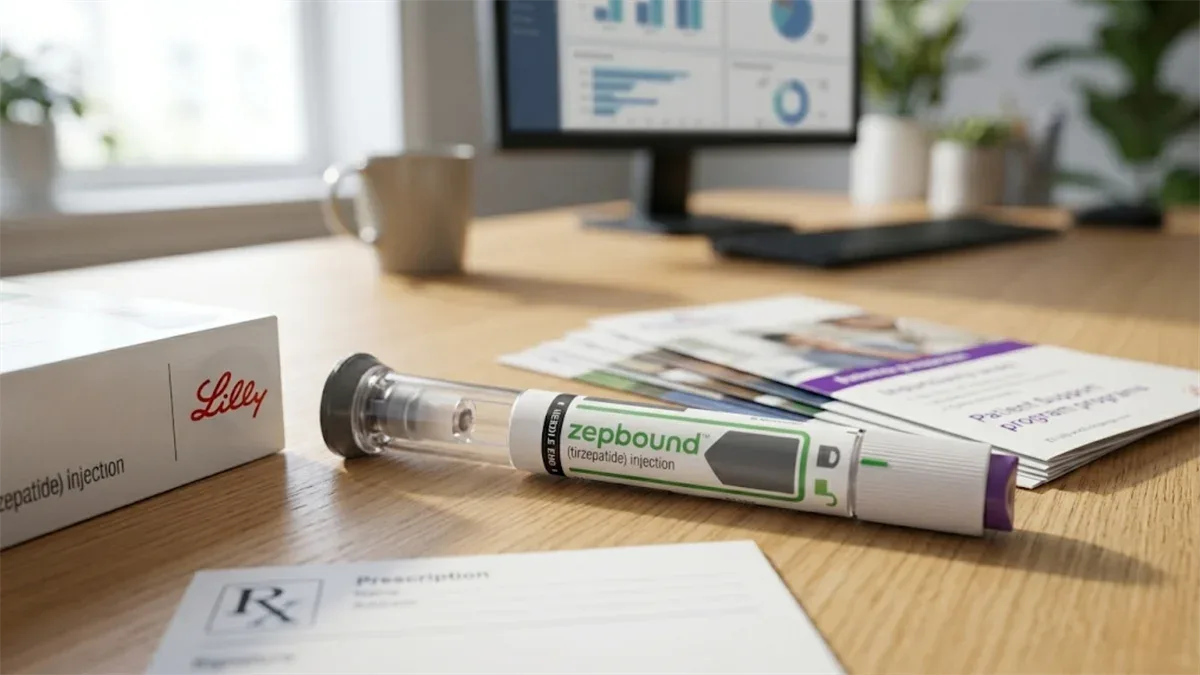
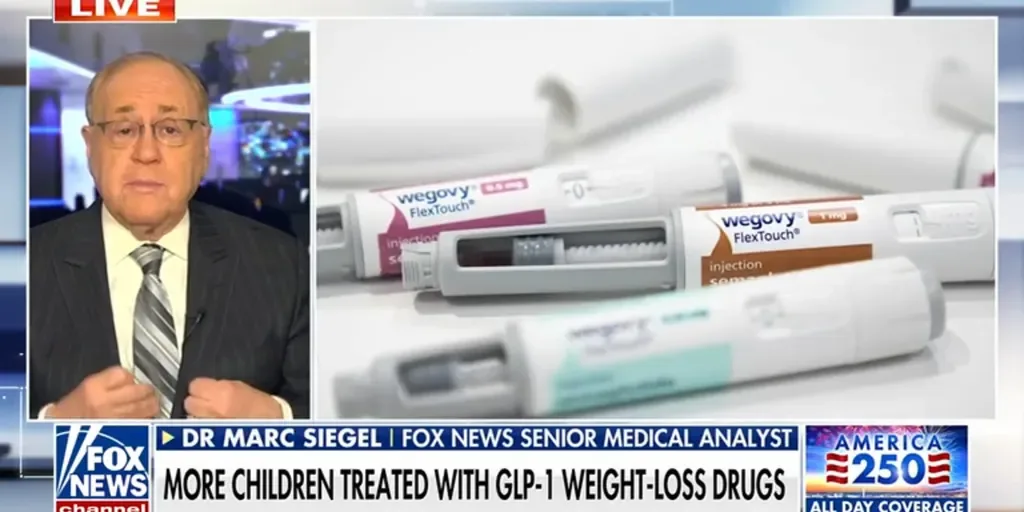
The FDA's decision instantly expands options in a weight-loss landscape long dominated by GLP-1 injections. GLP-1 receptor agonists, or GLP-1s, mimic the glucagon-like peptide-1 hormone to regulate blood sugar, slow gastric emptying, and reduce appetite—mechanisms that promote sustained weight loss and improve metabolic health. Medicines like Wegovy (semaglutide) and Zepbound (tirzepatide) reshaped care in the early 2020s, initially for type 2 diabetes before expanding to obesity-related conditions.
Foundayo's approval introduces competitive pressure in the oral GLP-1 category. Unlike Novo Nordisk's Rybelsus—the first oral semaglutide approved in 2019 for type 2 diabetes, which requires morning dosing on an empty stomach with minimal water—Foundayo offers dosing flexibility. This could improve patient adherence, a critical factor in long-term weight management success.
Understanding GLP-1 Mechanisms in Weight Loss
GLP-1 medications work by activating receptors in the gut and brain, enhancing insulin secretion, suppressing glucagon, and signaling fullness. Oral forms like Foundayo (with active ingredient orforglipron) bypass injection needs, potentially broadening access for those averse to needles. For patients, this means discussing oral vs. injectable options with providers to match lifestyle and preferences.
How Foundayo Stacks Up Against Other GLP-1 Pills and Injections
The active ingredient in Foundayo is orforglipron, and Eli Lilly-funded trial data is already influencing clinical discussions. In a trial published by The Lancet, patients with type 2 diabetes on 7 to 14 milligrams of Rybelsus lost an average of 8 to 11 pounds, while those on 12 to 36 milligrams of orforglipron lost 15 to 20 pounds.
Dr. Julio Rosenstock, the lead trial investigator, said in a Lilly release that Lilly's pill "outperformed" Novo's "on every key endpoint we measured, including A1C and weight loss."
Novo Nordisk countered that the study focused on diabetes patients using low-dose semaglutide, not the higher doses in weight-loss products like Wegovy. Separately, Eli Lilly reported that adults on the highest dose of Foundayo lost an average of 27 pounds. The headline for patients: a GLP-1 pill without strict timing or intake rules.
Foundayo vs. Rybelsus: Key Differences
- Dosing Flexibility: Foundayo anytime; Rybelsus mornings only, empty stomach.
- Approval Scope: Foundayo for obesity/weight-related conditions; Rybelsus primarily diabetes.
- Weight Loss in Trials: Orforglipron 15-20 lbs (diabetes cohort); Rybelsus 8-11 lbs.
Compared to injections like Wegovy or Zepbound, Foundayo enters as an oral contender, though injectables often show higher average losses (15-20% body weight). Patients should weigh convenience against efficacy with their doctor.
Precision tracking for your journey
Join thousands using Shotlee to accurately track GLP-1 medications and side effects.
📱 Get the Shotlee App
Track your GLP-1 medications, peptides, and health metrics on the go with our mobile app!
GLP-1 Therapy Beyond Weight Loss: Real Patient Impacts
GLP-1 use extends to conditions like polycystic ovarian syndrome (PCOS), osteoarthritis, and obstructive sleep apnea. One patient in their 20s with PCOS, who tried "all the medications that existed" and "supplements on top of supplements," found GLP-1s addressed insulin resistance. Another reported improved quality of life by easing debilitating joint pain from osteoarthritis.
These stories highlight GLP-1s' metabolic benefits, including reduced inflammation and better cardiovascular markers. Tools like Shotlee can help track symptoms, side effects, or dosing schedules during therapy.
Immediate Reactions and the Insurance Hurdle
Access will dictate Foundayo's uptake. Insurance coverage varies: private plans depend on insurers and employers. Some cover GLP-1s only for type 2 diabetes; others for weight loss with prior authorization, health assessments, nutrition counseling, or lab tests.
Debates persist on trial interpretations across doses and populations, but Foundayo is now an FDA-approved, flexible oral option. Real-world success hinges on coverage and prescribing ease.
Safety Considerations for GLP-1 Patients
Common GLP-1 side effects include nausea, vomiting, and gastrointestinal discomfort, often improving over time. Discuss risks like pancreatitis or thyroid concerns with providers. Monitoring via apps like Shotlee aids in reporting issues promptly.
Quick Context and What's Next for Foundayo
GLP-1s started for type 2 diabetes, evolving into obesity care—mostly injections until now. Post-April 1 (ET) approval, watch insurer responses on prior authorizations and routine care integration. Foundayo positions at the heart of comparisons with Wegovy, Zepbound, and rivals.
Key Takeaways: What This Means for Patients
- Foundayo offers anytime oral GLP-1 dosing for obesity/weight conditions.
- Trial data shows 15-20 lbs loss vs. Rybelsus' 8-11 lbs; up to 27 lbs at highest dose.
- Consult doctors on fit, insurance, and monitoring.
- Expands options beyond injections, aiding adherence.
Conclusion: Navigating the Evolving GLP-1 Landscape
Foundayo's FDA approval marks a pivotal shift toward flexible oral therapies, intensifying the GLP-1 showdown. Patients should explore eligibility, compare options, and prioritize provider-guided plans for optimal metabolic health outcomes.