
Superstar Chef Neil Perry's Beef with Ozempic Craze
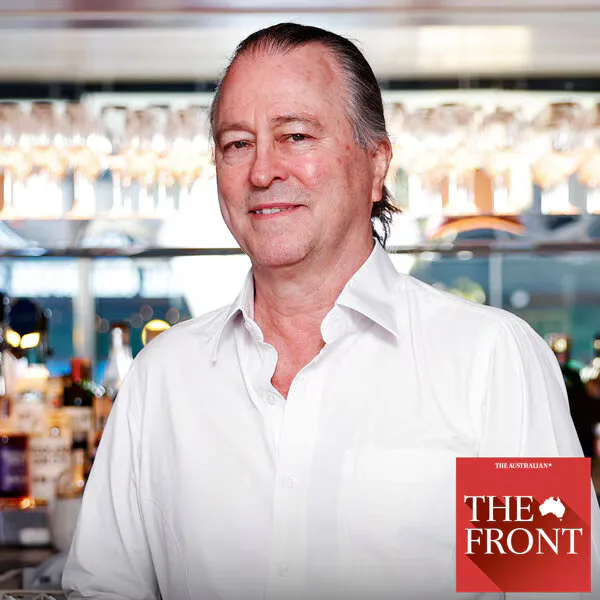
Neil Perry, the renowned restaurateur behind Sydney hotspots like Gran Torino and Margaret, as well as the culinary mastermind curating Qantas' in-flight menus, has a clear message amid the surging popularity of Ozempic: he'll never stop making beautiful food for people who love to eat. This stance comes as GLP-1 medications like Ozempic (semaglutide) transform appetites and dining habits worldwide.
Who Is Neil Perry and Why Does His Opinion Matter?
Neil Perry is no ordinary chef. With decades in the industry, he's earned rock star status for his innovative Australian cuisine, blending fresh ingredients with bold flavors. His restaurants draw food enthusiasts eager to savor multi-course meals, while his Qantas role elevates airline dining to gourmet levels. Perry's voice carries weight in culinary circles, especially as Ozempic—a GLP-1 receptor agonist originally for type 2 diabetes, now widely used for weight loss—alters how people approach food.
GLP-1 drugs like Ozempic mimic the glucagon-like peptide-1 hormone, slowing gastric emptying, reducing appetite, and promoting satiety. This mechanism helps users lose weight by curbing hunger signals, but it raises questions for chefs: if fewer people crave rich, indulgent meals, what happens to the restaurant world?
Perry's Unwavering Commitment to Food Lovers
In a recent episode of The Front, presented by Claire Harvey, produced by Kristen Amiet, and edited by Joshua Burton—with contributions from Lia Tsamoglou, Tiffany Dimmack, and composer Jasper Leak—Perry declared he'll persist in crafting exceptional dishes. "I'll never stop making beautiful food for people who love to eat, in spite of the Ozempic craze," he stated firmly.
This defiance highlights a cultural clash. Ozempic users often report diminished desire for food, even favorites, due to its effects on the brain's reward centers. For Perry, this threatens the joy of dining—the sensory pleasure of texture, aroma, and taste that defines his menus.
The GLP-1 Warning: 'Everybody Will Be Suing'
Perry didn't stop at resolve; he issued a stark GLP-1 warning: "'Everybody will be suing': rock star chef Neil Perry's GLP-1 warning." This teaser points to emerging concerns over long-term side effects of semaglutide and similar drugs like Wegovy. While effective for metabolic health, GLP-1s carry risks including gastrointestinal issues, muscle loss, and potential thyroid concerns. Perry's comment echoes industry chatter about accountability as usage skyrockets.
Watch the full discussion on their YouTube channel for Perry's unfiltered take, where he elaborates on how these medications could reshape hospitality.
How Ozempic Works and Its Impact on Appetite and Dining
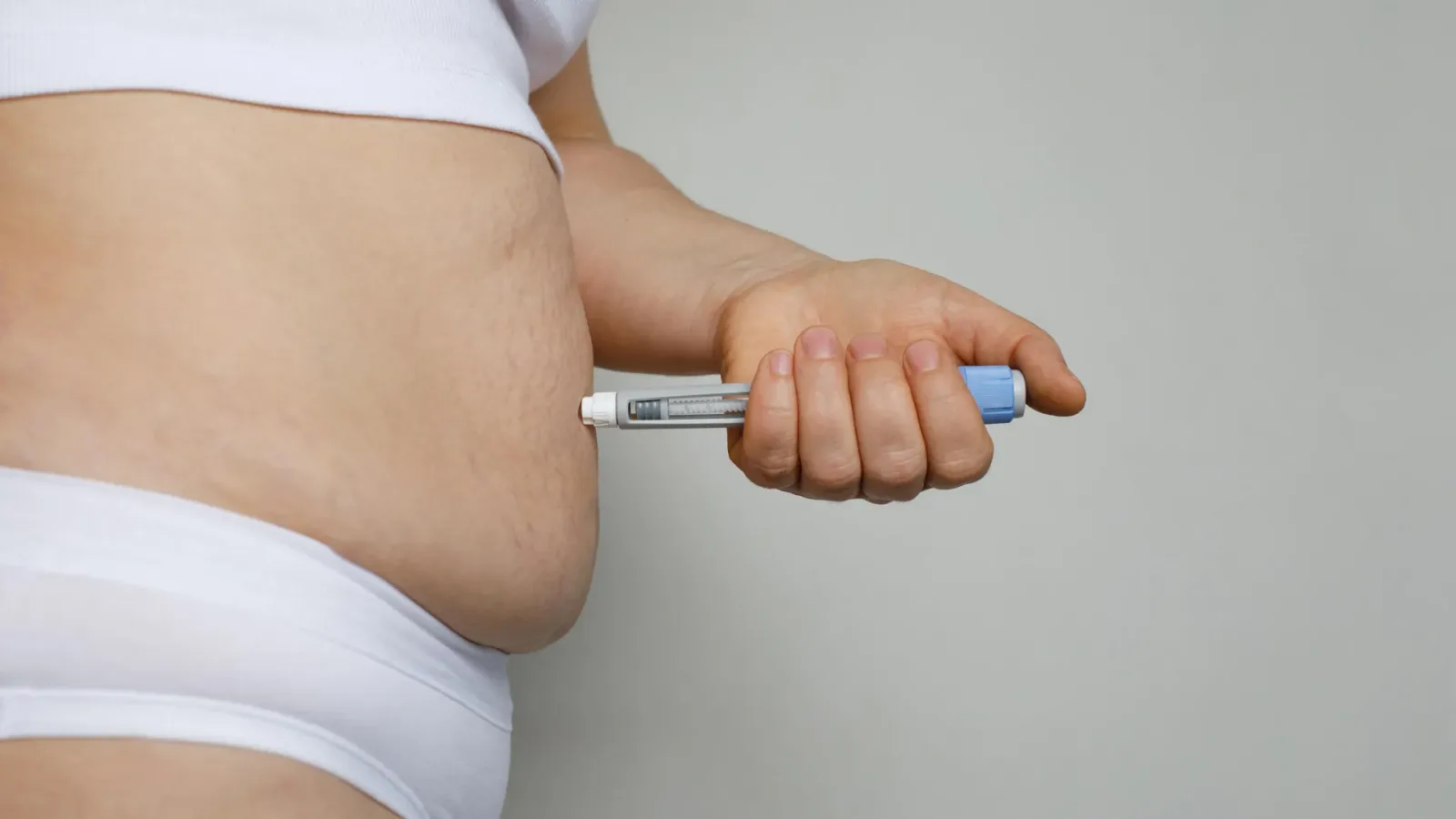
Ozempic injects semaglutide weekly, activating GLP-1 receptors to regulate blood sugar and suppress appetite. Clinically, it reduces A1C levels in diabetes patients and achieves 15-20% body weight loss in obesity trials. But for food lovers, the downside is profound: many describe food as tasting "flat" or losing appeal.
Precision tracking for your journey
Join thousands using Shotlee to accurately track GLP-1 medications and side effects.
📱 Get the Shotlee App
Track your GLP-1 medications, peptides, and health metrics on the go with our mobile app!
In restaurants like Perry's, this translates to fewer orders of signature dishes—think wood-fired meats at Gran Torino or refined plates at Margaret. Chefs nationwide report similar trends: smaller portions, skipped desserts, and a shift toward lighter fare.
Broader Industry Ripple Effects
The Ozempic era challenges fine dining. High-end spots thrive on indulgence, yet GLP-1 users prioritize health over hedonism. Some adapt with "Ozempic-friendly" menus—protein-packed, low-cal options—but Perry resists, prioritizing authenticity.
Comparatively, alternatives like tirzepatide (Mounjaro/Zepbound) offer dual GLP-1/GIP action for potentially stronger effects, but similar appetite suppression. Lifestyle interventions or older drugs like phentermine lack Ozempic's efficacy and safety profile.
Safety Considerations and Side Effects for Ozempic Users
While transformative, Ozempic isn't risk-free. Common side effects include nausea, vomiting, diarrhea, and constipation, often easing over time. Rarer risks: pancreatitis, gallbladder issues, and vision changes in diabetics. Long-term data is evolving, fueling warnings like Perry's.
Patients should monitor symptoms closely. Tools like Shotlee can help track side effects, medication schedules, and appetite changes, ensuring safe use under medical supervision.
Who Should Consider Ozempic?
Ideal candidates: adults with BMI ≥30 (or ≥27 with comorbidities) unresponsive to diet/exercise. Discuss with your doctor risks vs. benefits, especially if you value culinary enjoyment. Start low (0.25mg weekly), titrating to 2.4mg max.
What This Means for Patients and Food Enthusiasts
- Balance Weight Loss and Pleasure: GLP-1s aid metabolic health but may dull food joy—strategize with nutrient-dense meals.
- Support Local Chefs: If unaffected, dine out; if on Ozempic, opt for smaller, flavorful bites.
- Stay Informed: Perry's warning underscores vigilance on emerging litigation and effects.
Key Takeaways
- Neil Perry vows to keep creating beautiful food despite Ozempic's rise.
- His GLP-1 warning highlights potential lawsuits over side effects.
- Ozempic suppresses appetite via GLP-1 mimicry, impacting dining culture.
- Patients: Weigh benefits against lifestyle changes; consult providers.
- Check the YouTube video for Perry's full insights.
Conclusion: Navigating Ozempic in a Food-Loving World
Neil Perry's beef with Ozempic spotlights a tension between health innovation and culinary tradition. As GLP-1 therapies advance metabolic health, they challenge our relationship with food. Whether embracing Ozempic or savoring Perry's dishes, informed choices preserve both wellness and pleasure. Discuss with your healthcare team for personalized guidance.