
Side-by-Side Photos Show Vanessa Williams' 'Ozempic Face' Progression
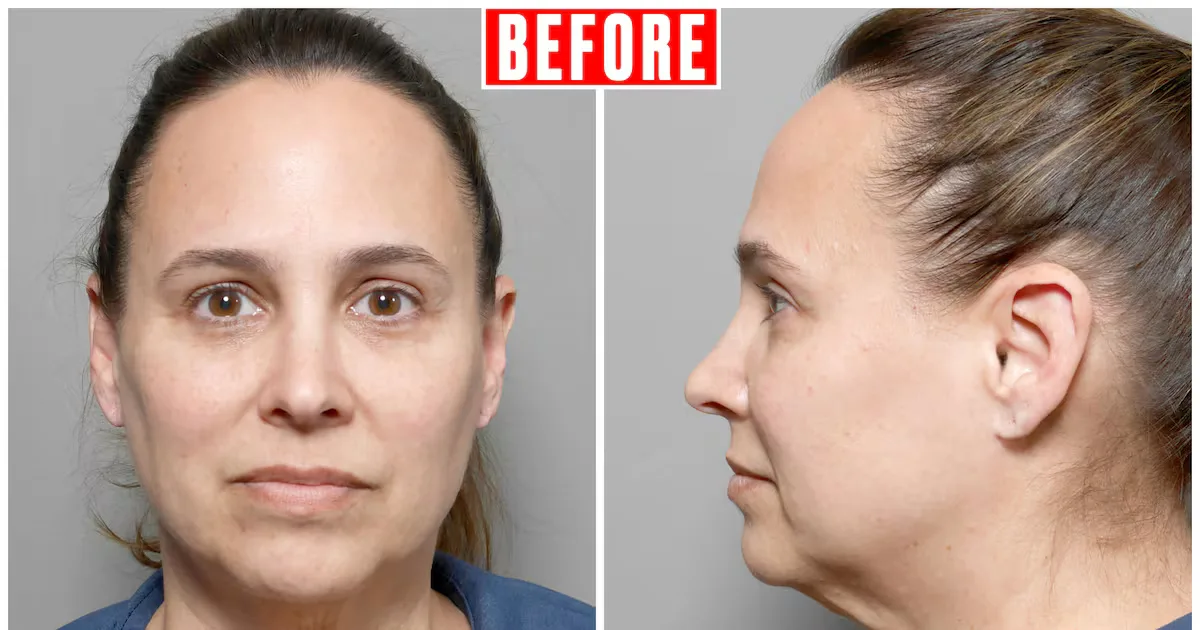
Vanessa Williams 'Ozempic face' has become a talking point, with side-by-side photos capturing the legendary singer and actress's facial changes after rapid weight loss from GLP-1 medications. Characterized by sagging skin, sunken cheeks, and hollowed eyes, the "Ozempic face" trend is common among celebrities using these drugs for dramatic slimming. While Williams doesn't appear as severely affected as some peers, the transformation is still evident.
What Is 'Ozempic Face' and Why Does It Happen with GLP-1 Drugs?
The term "Ozempic face" refers to the facial aging effects seen with GLP-1 receptor agonists like Ozempic (semaglutide) or Mounjaro (tirzepatide). These medications mimic hormones that regulate blood sugar and appetite, leading to significant weight loss—often 15-20% of body weight. However, this includes loss of subcutaneous fat in the face, which provides youthful volume and contour.
GLP-1 drugs promote fat breakdown throughout the body, including deeper facial fat pads and the white adipose tissue (WAT) layer beneath the skin. As Dr. Samuel Golpanian, a board-certified plastic surgeon, explained to Nicki Swift in August 2025, "GLP-1 drugs can reduce not only deeper facial fat, which provides youthful volume, but also a special layer under the skin called white adipose tissue (WAT)." This tissue is crucial because it "contains stem cells that produce growth factors, cytokines, and hormones essential for skin health." When lost in excess, it compromises the skin's structure and regenerative capacity, resulting in gauntness, wrinkles, and laxity.
Common Signs of 'Ozempic Face'
- Sagging skin along the jawline and cheeks
- Sunken cheeks and temples
- Hollowed eyes with prominent under-eye bags
- Increased wrinkles and fine lines
- Loss of neck volume, dubbed "Ozempic neck"
These changes are more pronounced with rapid weight loss, as the skin struggles to adapt. For patients on long-term GLP-1 therapy, monitoring facial changes is key—apps like Shotlee can help track symptoms and side effects alongside medication schedules.
Vanessa Williams' Story: Mounjaro for Menopause Weight Gain
Vanessa Williams, the first Black winner of Miss America and star of "Ugly Betty," turned to GLP-1 medications amid menopause challenges. Frustrated by unwanted weight gain—a common issue for menopausal and perimenopausal women due to hormonal shifts, slower metabolism, and insulin resistance—she sought solutions at age 60.
"It's a game-changer," Williams informed Hello! magazine in January 2026. "When I turned 60, I was like: 'I want to be here for a long time, and I want to look my best. So what am I going to do?'"
She specifically used Mounjaro, a dual GLP-1/GIP agonist known for potent weight loss effects. Side-by-side photos comparing her appearance in 2023 to 2026 show noticeable differences: more wrinkles around the face and the emergence of an "Ozempic neck." Despite these, Williams remains optimistic, combining Mounjaro with hormone replacement therapy (HRT) and NAD+ injections for comprehensive symptom management. "I'm like: 'What's next? Bring it on!'" she quipped.
Side-by-Side Photo Analysis
Comparing pre- and post-treatment images:
- 2023: Fuller facial contours with smoother skin.
- 2026: Increased perioral and crow's feet wrinkles; subtle hollowing and neck sagging.
Precision tracking for your journey
Join thousands using Shotlee to accurately track GLP-1 medications and side effects.
📱 Get the Shotlee App
Track your GLP-1 medications, peptides, and health metrics on the go with our mobile app!
Menopause, Weight Gain, and GLP-1 Medications
Menopause disrupts estrogen levels, leading to visceral fat accumulation, especially around the abdomen. GLP-1 drugs like Mounjaro address this by enhancing satiety, slowing gastric emptying, and improving insulin sensitivity. For women like Williams, they offer targeted relief from menopausal weight struggles without solely relying on diet or exercise.
However, the facial side effects underscore the need for holistic approaches. Williams' use of HRT restores hormonal balance, while NAD+ injections support cellular energy and anti-aging at the mitochondrial level. Patients considering GLP-1 therapy for metabolic health should discuss combo strategies with providers.
Who Might Benefit from GLP-1 Drugs During Menopause?
- Women with BMI >27 and menopause-related weight gain
- Those with prediabetes or insulin resistance
- Individuals committed to lifestyle changes alongside meds
Consult a doctor to weigh benefits against risks like gastrointestinal issues or, in some cases, facial volume loss.
Managing and Mitigating 'Ozempic Face' Effects
Dr. Golpanian's insights highlight why facial fat preservation matters. To counteract:
- Preventive: Gradual weight loss (1-2 lbs/week); maintain protein intake for skin elasticity.
- Corrective: Dermal fillers (hyaluronic acid) to restore volume; skin-tightening treatments like radiofrequency.
- Supportive: Collagen supplements, hydration, and sunscreen to bolster skin health.
For ongoing monitoring, tools like Shotlee allow logging facial changes, weight, and side effects to inform doctor visits.
Comparisons: Mounjaro vs. Other GLP-1 Options
| Drug | Active Ingredient | Key Benefit | Facial Fat Loss Risk |
|---|---|---|---|
| Mounjaro | Tirzepatide (GLP-1/GIP) | Faster weight loss | Moderate-High |
| Ozempic | Semaglutide (GLP-1) | Proven cardiac benefits | Moderate |
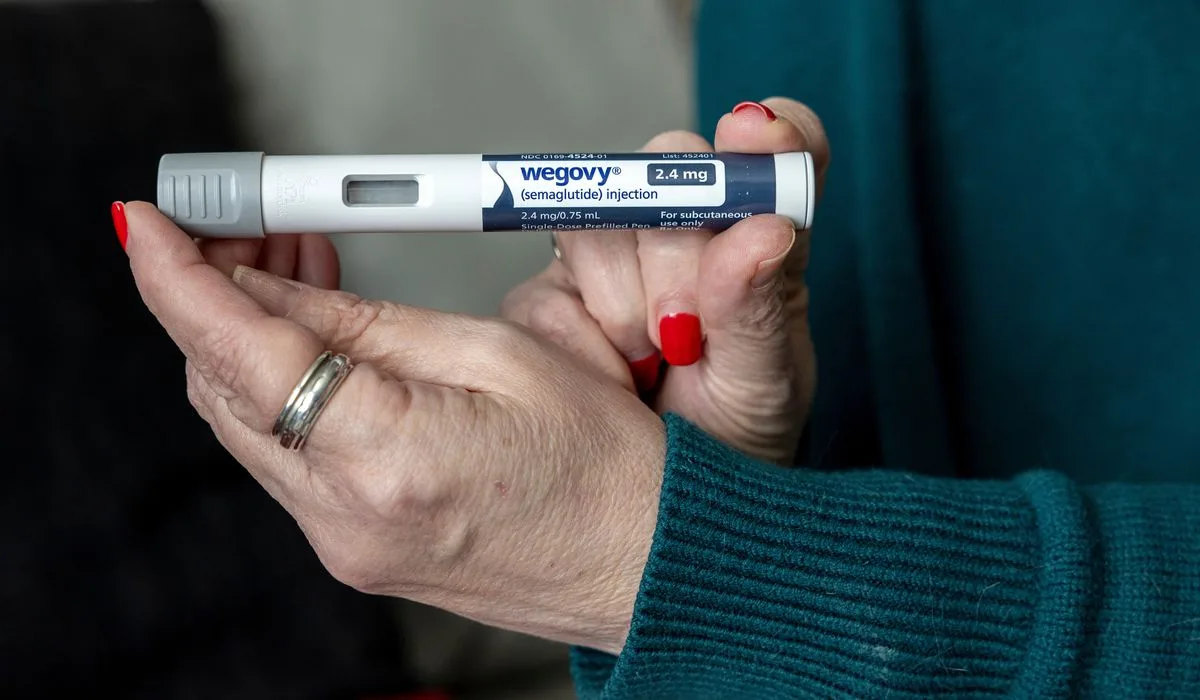
| Wegovy | Semaglutide (higher dose) | FDA-approved for obesity | Moderate-High |
Mounjaro's dual action may amplify fat loss, including facial, compared to single GLP-1s.
Key Takeaways: What This Means for Patients
- Vanessa Williams' experience shows GLP-1 drugs like Mounjaro excel for menopause weight but can cause 'Ozempic face' via facial fat and WAT loss.
- Expert input from Dr. Golpanian emphasizes skin health impacts—discuss with a specialist.
- Combine with HRT/NAD+ for better outcomes; monitor changes proactively.
- Not all users experience severe effects; individual factors like age and loss speed matter.
Conclusion: Balancing Benefits and Facial Changes with GLP-1 Therapy
Vanessa Williams' side-by-side photos illustrate the real-world trade-offs of GLP-1 medications: transformative weight loss against potential 'Ozempic face.' For menopausal women, these drugs remain a powerful tool when paired with supportive therapies. Speak to your healthcare provider about personalized risks, mitigation strategies, and tracking tools to optimize metabolic health without unintended cosmetic costs.