
Semaglutide Generics Set for One-Fourth Price After Patent Expiry
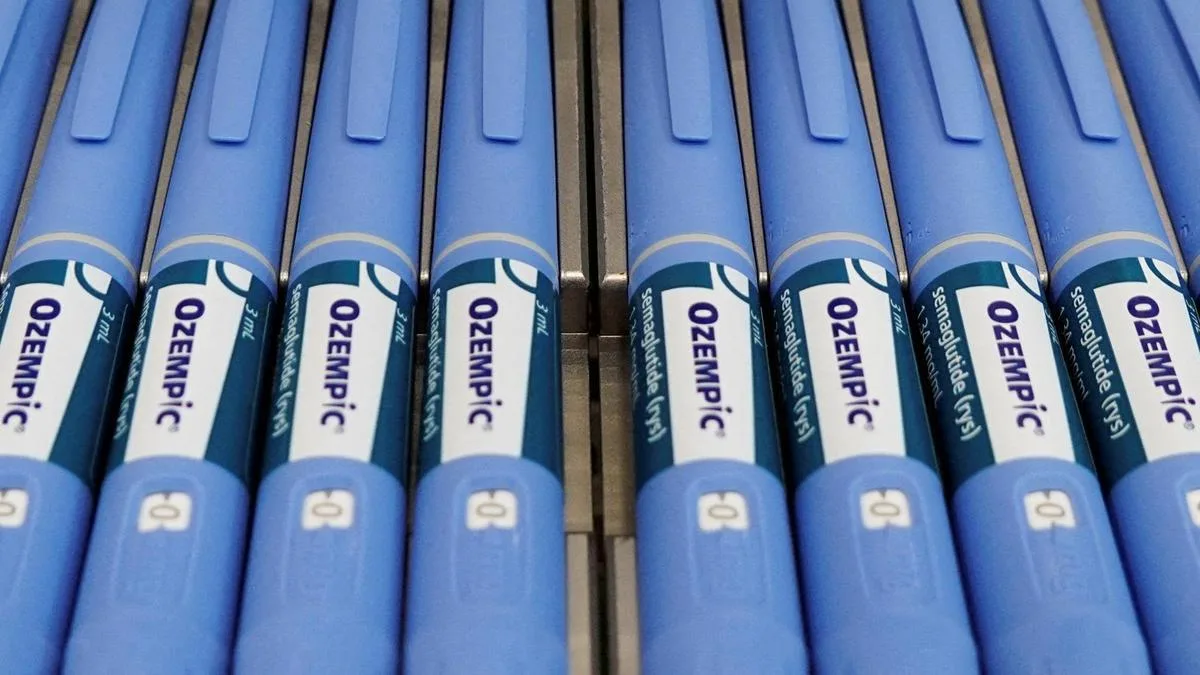
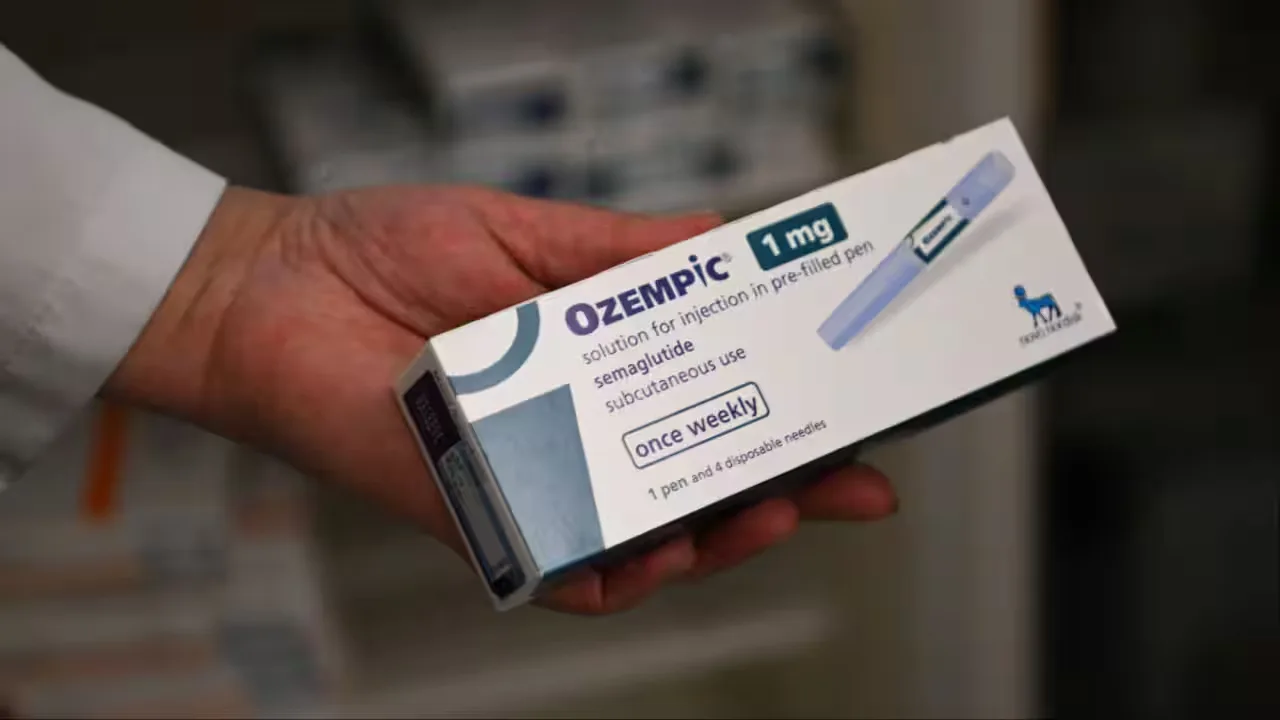
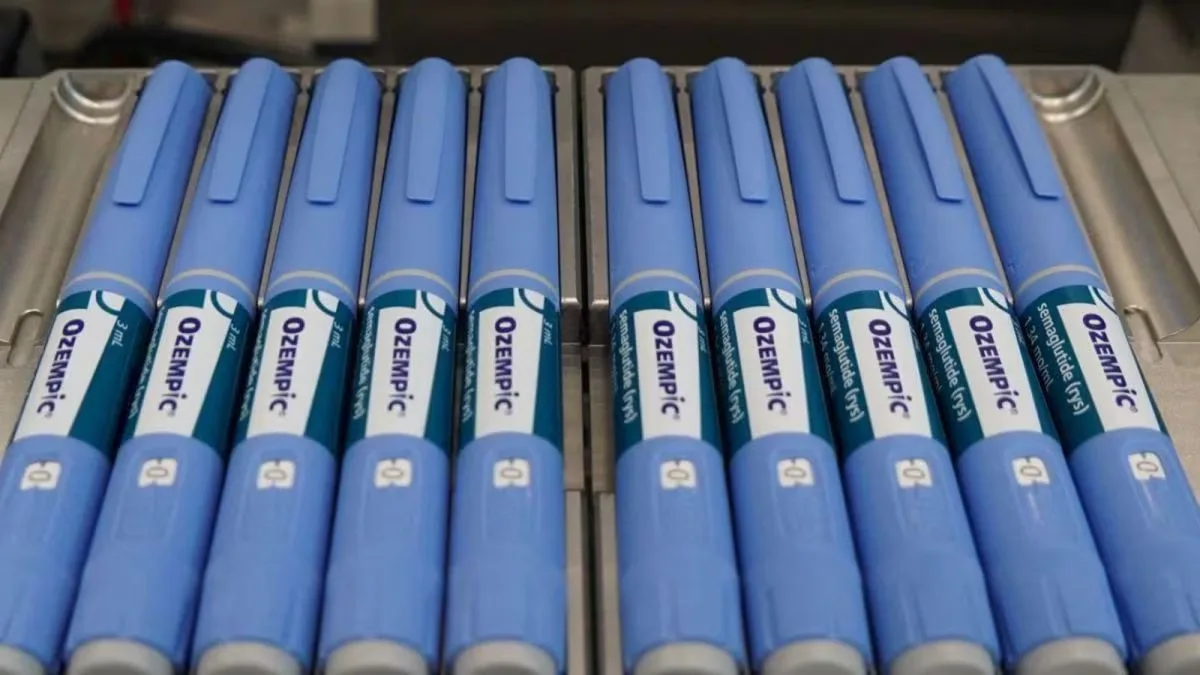
In the evolving landscape of GLP-1 medications for diabetes and weight management, Semaglutide generics in India are on the horizon, promising to slash treatment costs dramatically. With the patent for Semaglutide—marketed as Ozempic for diabetes and Wegovy for weight loss—expiring on March 20, prices are expected to fall to one-third or even one-fourth of existing levels. This shift will enhance affordability, potentially accelerating adoption in a market hungry for effective metabolic therapies.
Patent Expiry: A Game-Changer for Semaglutide Accessibility
Semaglutide, a glucagon-like peptide-1 (GLP-1) receptor agonist, mimics the GLP-1 hormone to regulate blood sugar, slow gastric emptying, and promote satiety, making it a cornerstone for type 2 diabetes and obesity treatment. Currently, monthly treatment costs range from Rs 10,000-12,000 in India, limiting access for many patients. Post-patent expiry, generics will enter at Rs 3,000-4,000 per month, as confirmed by industry sources.
"The costs will come down to one-third, and some companies are even talking of offering the drug at one-fourth of the price," a source told the Financial Express (FE). This price erosion is poised to outpace global GLP-1 market growth, which is projected at 34% over the next five years, according to India Ratings.
Approved Generic Launchers and Pipeline Players
- Approved for launch post-expiry: Seven domestic drugmakers including Sun Pharma, Dr Reddy's Labs, Zydus Lifesciences, Natco Pharma, and Alkem Laboratories have received government approval.
- In the pipeline: Nine companies such as Cipla, Lupin, Biocon, and Intas are developing GLP-1 products.
This influx will transform the competitive dynamics, with price as the key differentiator in India's burgeoning GLP-1 sector.
Zydus Lifesciences and Lupin Partnership: Innovating Delivery
Zydus Lifesciences recently signed an agreement with Lupin to co-market Zydus' Semaglutide injection in India under brand names Semanext and Livarise. Lupin gains semi-exclusive rights with a patient-friendly reusable pen device, paying licensing fees and milestone payments to Zydus upon achieving targets.
Zydus plans to launch on March 20—the first day of patent expiry—under three brand names. Their offering features a novel, indigenously developed drug-delivery system: an adjustable single-pen device. "Unlike existing treatments that require patients to purchase multiple single-dose pens as they titrate their dosage, Zydus plans to introduce an innovative, adjustable single-pen device. This technology allows patients to seamlessly select and administer varying dose strengths from a single unit, significantly enhancing patient adherence, maximising convenience and drastically reducing the overall cost of therapy," the company stated.
Lupin is also advancing an oral Semaglutide version for launch by FY27. Lupin's managing director, Nilesh Gupta, noted: "Our collaboration with Zydus will enhance the company's diabetes portfolio and reinforce focus on addressing unmet patient needs."
Expert Insights on Affordability, Adherence, and Risks
Dr Ambrish Mithal, chairman and head of endocrinology and diabetes at Max Healthcare, emphasized the impact: generics cheaper by over 50% will melt the affordability barrier for many patients in India. He cautioned, however, that generics also increase possibility of misuse. "The positives are huge with generics, but sale has to be strictly controlled and only on prescription by a qualified practitioner," he told FE.
Precision tracking for your journey
Join thousands using Shotlee to accurately track GLP-1 medications and side effects.
📱 Get the Shotlee App
Track your GLP-1 medications, peptides, and health metrics on the go with our mobile app!
Dr Dheeraj Kapoor, head of endocrinology at Kokilaben Dhirubhai Ambani Hospital, Mumbai, added: generics will enable people to take the drug for far longer given reduced costs. "The drugs should be taken for at least a year, but we see many giving up after about three months due to cost. And if the generics are as efficacious as the original, it spells good news for patients."
These views underscore Semaglutide's role in long-term management, where common side effects like nausea, gastrointestinal issues, and potential risks such as pancreatitis or thyroid concerns necessitate medical supervision. Patients should discuss titration schedules (starting low and increasing doses) with endocrinologists to optimize benefits while minimizing adverse effects.
Market Dynamics: Semaglutide vs. Competitors
Tirzepatide currently dominates India's GLP-1 market with a 61% share, fueled by Mounjaro's early launch and dual GIP/GLP-1 mechanism, which offers enhanced weight loss. Semaglutide counters with its dual-brand strategy—Ozempic for diabetes and Wegovy for obesity—enabling precise patient segmentation and broader adoption, per a Pharmarack analysis.
India Ratings' Krishnanath Munde predicts: "Globally, the growth of GLP-1 market is expected to be 34% over the next five years. Despite the heavy price erosion, the growth in Indian market is set to outpace the global trend." CareEdge Ratings forecasts the weight-loss drug market expanding to Rs 5,000 crore by 2030 from Rs 1,000 crore today, with phased price drops: 50% in FY27, followed by 10-30% in FY28 due to competition.
Patient Guidance: Who Benefits and Next Steps
Semaglutide generics suit adults with type 2 diabetes not controlled by metformin or lifestyle changes, and those with obesity (BMI ≥30 or ≥27 with comorbidities). Consult a doctor to assess eligibility, monitor A1C levels, and track weight/BMI progress. Tools like Shotlee can assist in logging symptoms, side effects, or injection schedules for better doctor discussions.
Compared to alternatives like insulin or SGLT2 inhibitors, GLP-1s like Semaglutide offer cardiovascular benefits and superior weight loss (10-15% body weight reduction in trials), but require weekly injections (soon oral options).
Key Takeaways
- Patent expiry on March 20 enables Semaglutide generics at Rs 3,000-4,000/month—one-fourth current prices.
- Launches from Sun Pharma, Zydus (with innovative pen), Dr Reddy's, and others; Zydus-Lupin deal boosts access.
- Experts predict better adherence but stress prescription-only use to prevent misuse.
- Market to hit Rs 5,000 crore by 2030, outpacing global growth.
Conclusion: Brighter Horizons for Metabolic Health in India
The patent expiry for Semaglutide heralds a new era of affordable GLP-1 therapy, bridging the gap between innovative treatments and India's diverse patient population. While Tirzepatide leads, Semaglutide's generics will drive volume growth, fostering sustained diabetes control and weight management. Patients: Speak to your endocrinologist about transitioning post-March 20, ensuring safe, effective use amid this affordability boom.