
Python Blood Molecule May Unlock Healthy Weight Loss Secrets
A python's extraordinary metabolism may unlock new paths to healthy weight loss and even combat age-related muscle loss. In less than a decade, new weight-loss drugs have transformed the market, helping millions, but often causing side effects such as nausea or digestive discomfort. What if similar appetite control could be achieved without these drawbacks? Recent research into python blood reveals a promising molecule that could inspire such therapies.
The Python's Remarkable Feast-and-Fast Metabolism
Constricting snakes like pythons, which can reach up to seven meters and devour a whole antelope in one meal, demonstrate an astonishing ability to feast massively and then fast for months or even years without long-term harm to their heart or muscles. This resilience sparked scientific curiosity. The research is not about mimicking the snakes' diet; it's about understanding how pythons maintain metabolic health during extreme cycles of overeating and starvation.
Just after eating, a python's heart expands by 25 percent, and its metabolism speeds up 4,000-fold to digest the enormous meal. This process is accompanied by a dramatic surge of a specific molecule in the blood—over 1,000-fold. Pythons from Africa, Asia, and Australia, being nonvenomous, provided an ideal model for studying digestive extremes without the complications of venom.
Why Pythons? Lessons for Human Metabolism
Humans don't face such feast-or-famine extremes, but obesity and metabolic disorders like type 2 diabetes mimic chronic overnutrition. Pythons' ability to handle massive caloric loads without cardiovascular or muscular damage offers clues. Their metabolism resets efficiently post-meal, preserving lean muscle and organ function—challenges in human weight loss where muscle loss often accompanies fat reduction.
Discovery of pTOS: The Satiety Molecule in Python Blood
Scientists in the United States, led by Professor Leslie Leinwand and her team at the University of Colorado Boulder, identified a previously unknown molecule called para-tyramine-O-sulphate (pTOS) that signals to the brain when we've eaten enough. The findings, in collaboration with researchers at Stanford Medicine and Baylor University, were published in Nature Metabolism.
The molecule had gone unnoticed in labs because common research animals like mice and rats don't naturally produce it after eating. In humans, pTOS also rises after meals, though more modestly—about two to five times. This discovery reveals a new biological mechanism that helps the body feel full after eating, potentially leading to treatments that naturally reduce hunger and support weight management.
How pTOS Works: From Gut Bacteria to Brain Signals
The spike in pTOS is integral to the digestive process. The body uses an amino acid called tyrosine, which gut bacteria convert into a compound called tyramine. The liver then transforms tyramine into pTOS, which travels to the brain and signals satiety, curbing appetite.
The Role of Gut Microbiome in Appetite Regulation
This pathway underscores the important role of gut bacteria in shaping metabolism and sending signals to the brain. Disruptions in the gut microbiome—common in obesity, prediabetes, and type 2 diabetes—may impair pTOS production, explaining why natural fullness signals falter in these conditions. Supporting gut health through diet could enhance such mechanisms, complementing pharmacological approaches.
Precision tracking for your journey
Join thousands using Shotlee to accurately track GLP-1 medications and side effects.
📱 Get the Shotlee App
Track your GLP-1 medications, peptides, and health metrics on the go with our mobile app!
Mouse Studies: Promising Effects Without GLP-1 Side Effects
In animal studies, mice given pTOS ate less, and long-term treatment led to lower body weight and reduced food intake. These effects occurred without major changes in movement, energy use, or blood sugar, suggesting pTOS could be promising for obesity research.
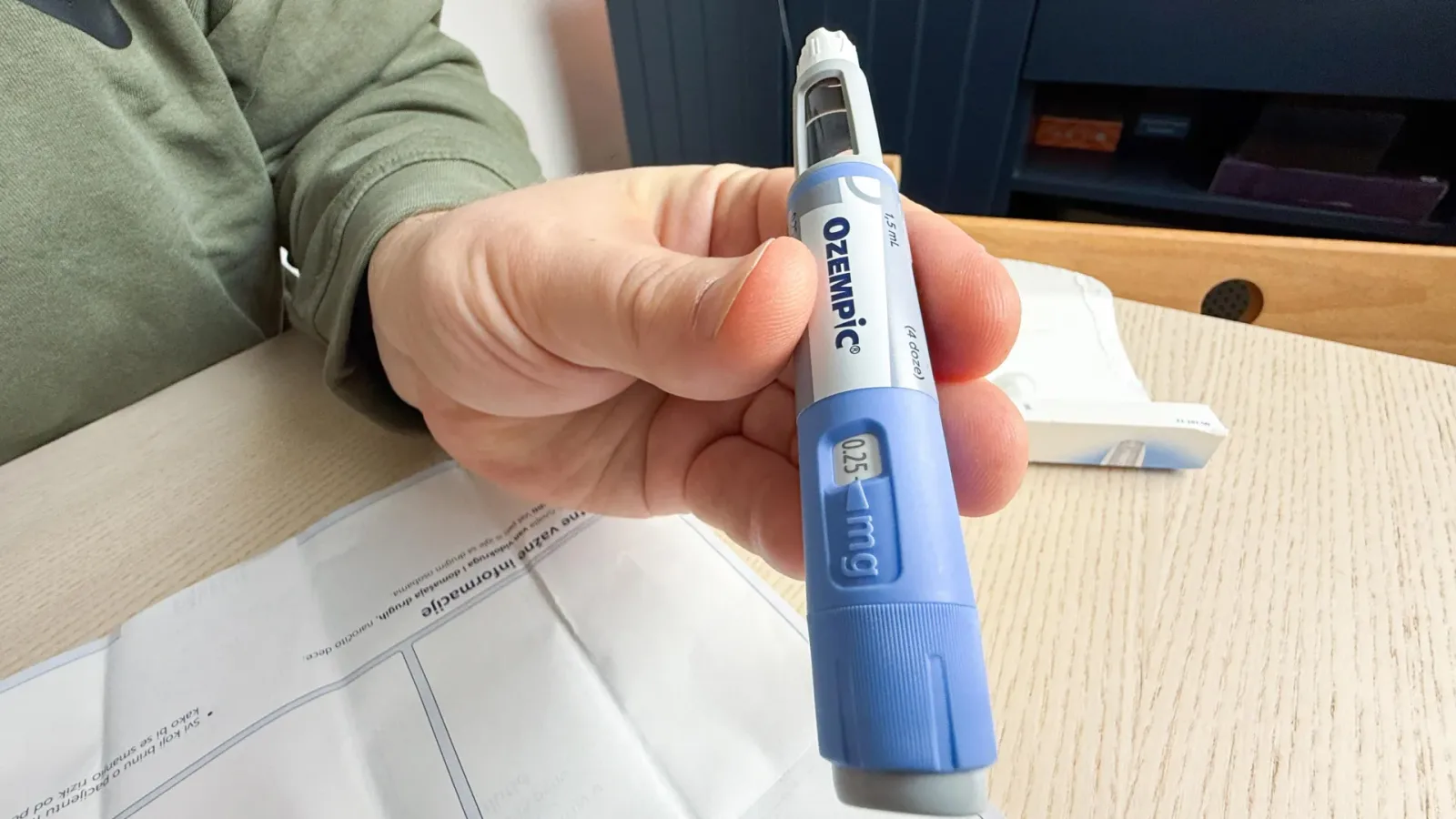
Compare this to GLP-1, the hormone targeted by drugs like Ozempic and Wegovy. GLP-1 helps the body feel full by slowing digestion and regulating blood sugar, but common side effects include nausea, digestive discomfort, and sometimes vomiting. pTOS offers a potentially cleaner profile, mimicking natural post-meal satiety without gastrointestinal upheaval.
Comparing pTOS to Existing Weight Loss Therapies
| Aspect | pTOS (Python-Derived Insight) | GLP-1 Agonists (e.g., Ozempic) |
|---|---|---|
| Mechanism | Gut bacteria → liver → brain satiety | Slows digestion, blood sugar control |
| Side Effects | Minimal in mice (no GI issues noted) | Nausea, vomiting, digestive discomfort |
| Post-Meal Surge | 1,000-fold in pythons; 2-5x in humans | Mimics hormone elevation |
| Human Testing | Not yet studied | Approved for weight loss/diabetes |
This table highlights pTOS's potential as a novel, microbiome-linked alternative, though human trials are needed.
Implications for Human Weight Loss and Metabolic Health
So far, pTOS has only been tested in mice, and its effects in humans have not yet been studied. The appetite-suppressing effect may also be reduced or absent in people with prediabetes or type 2 diabetes, suggesting that the body's natural "fullness signal" may not work as effectively in these conditions. Still, it opens doors to therapies targeting microbiome modulation or pTOS analogs for sustainable weight loss, possibly preserving muscle mass against age-related sarcopenia.
Who Might Benefit and Next Steps
Individuals struggling with obesity, those on GLP-1 therapies seeking alternatives, or patients with gut dysbiosis could discuss this emerging research with their healthcare providers. While waiting for clinical trials, optimizing gut health via fiber-rich diets, probiotics, and tyrosine sources (e.g., cheese, soy) may support natural satiety. Patients tracking symptoms during weight loss journeys can use apps like Shotlee to monitor appetite changes, energy levels, and digestive health.
Safety Considerations and Realistic Expectations
Unlike GLP-1 drugs, early pTOS data shows no impact on activity or glucose, reducing risks like hypoglycemia. However, as with any novel compound, potential interactions or off-target effects require investigation. Always consult a physician before altering weight management strategies, especially with metabolic conditions.
Key Takeaways: What This Means for Patients
- Python blood research uncovered pTOS, a natural satiety molecule surging post-meal via gut bacteria and liver processing.
- It promises hunger control without common GLP-1 side effects like nausea.
- Mouse studies show weight loss without affecting energy expenditure or blood sugar.
- Gut microbiome health is crucial; disruptions in diabetes may blunt effects.
- Future therapies could transform obesity treatment—stay informed on human trials.
Conclusion: A Snake-Inspired Path Forward
The python's blood holds fascinating secrets for healthy weight loss, spotlighting pTOS as a potential game-changer in metabolic health. By preserving the core findings from Professor Leinwand's team, this research emphasizes nature's ingenuity. Patients should view it as hopeful context for discussions with doctors, prioritizing evidence-based approaches while advancements unfold. For related topics like GLP-1 optimization or peptide therapies, explore our guides on metabolic health.