
Introduction: The Ozempic Phenomenon and the Debate It Sparks
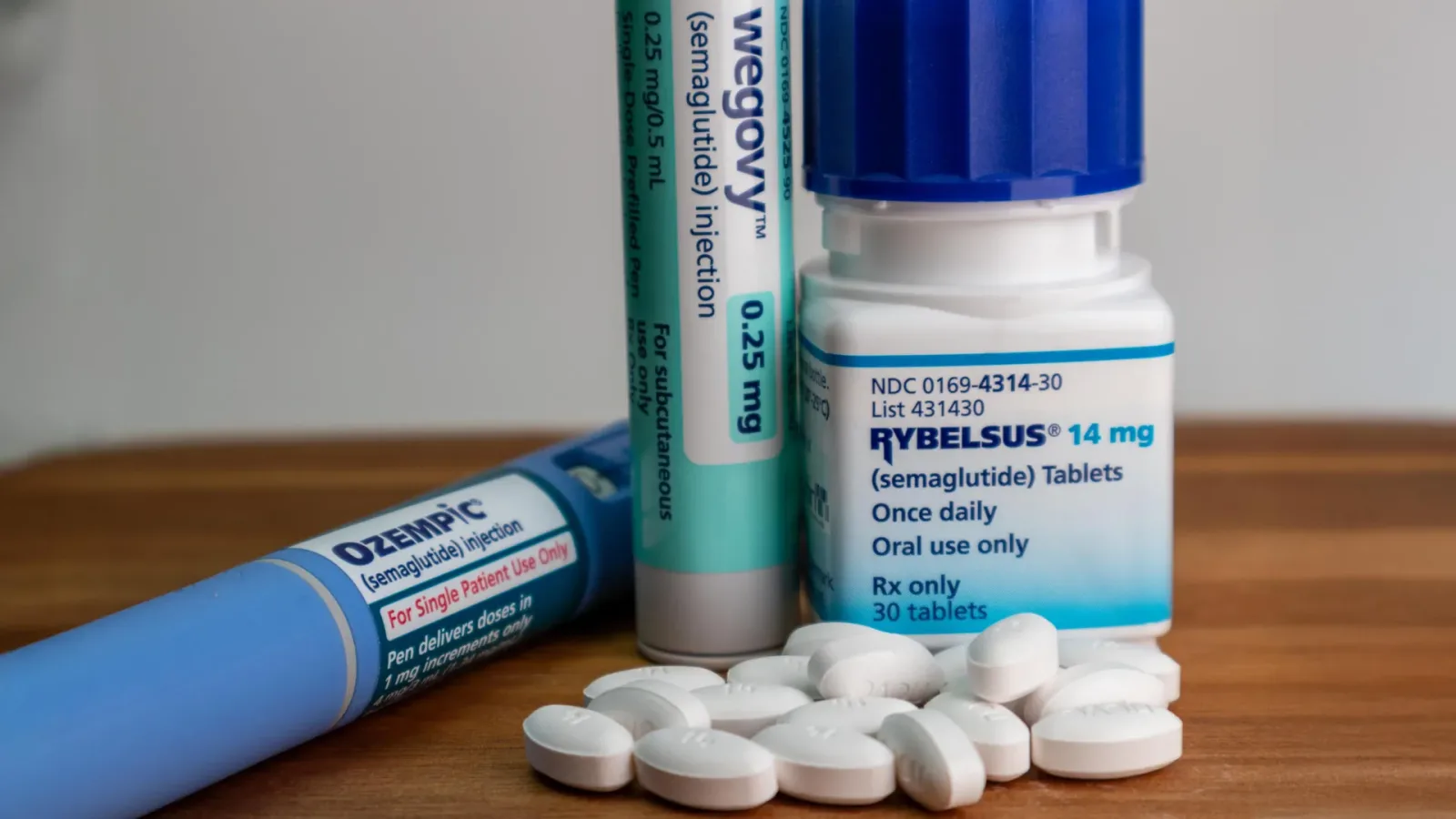
In recent years, Ozempic (semaglutide) and similar GLP-1 receptor agonist injections like Wegovy, Mounjaro (tirzepatide), and Zepbound have surged in popularity, promising significant weight loss for those struggling with obesity or type 2 diabetes. These drugs mimic the GLP-1 hormone to curb appetite and promote fullness, leading to 15-20% body weight reduction in clinical trials. Yet, as Galway author and Reuters columnist Aimee Donnellan explores in her debut book Off the Scales, the hype raises critical questions: Are these injections a miracle or too good to be true?
Donnellan's work draws on early user testimonies, delving into the decades of research behind GLP-1 drugs and highlighting an overlooked female scientist in their development. Through honest accounts of weight struggles and side effects, the book emphasizes a key truth: "It is a treatment, not a cure." Without ongoing use, old habits and weight often return. This guide expands on these insights with clinical evidence, offering health-conscious readers and patients a balanced, evidence-based resource on GLP-1 medications.
The Science of GLP-1: From Discovery to Blockbuster Drugs
GLP-1 (glucagon-like peptide-1) is a gut hormone released after eating, regulating blood sugar, slowing gastric emptying, and signaling satiety to the brain. Drugs like Ozempic enhance these effects by binding to GLP-1 receptors.
A Brief History and the Overlooked Pioneer
The GLP-1 story began in the 1980s with research into intestinal hormones. Donnellan's book spotlights a female scientist whose contributions to this breakthrough were largely ignored amid male-dominated narratives—a reminder of gender biases in medical innovation. Semaglutide, Ozempic's active ingredient, evolved from earlier GLP-1 mimetics like exenatide (derived from Gila monster saliva), refined by Novo Nordisk into a once-weekly injection.
Tirzepatide (Mounjaro/Zepbound) advances further by targeting both GLP-1 and GIP receptors, yielding even greater weight loss—up to 22.5% in SURMOUNT trials.
Proven Benefits of Ozempic and GLP-1 Medications
Clinical trials provide robust data on efficacy. In the STEP 1 trial (Wilding et al., NEJM 2021), Wegovy users lost 14.9% body weight vs. 2.4% on placebo after 68 weeks. Ozempic excels in diabetes management, reducing A1C by 1-2% and cardiovascular risks—SUSTAIN trials showed 26% lower major adverse events.
- Appetite suppression: Users report reduced hunger, smaller portions.
- Metabolic improvements: Better insulin sensitivity, lower blood pressure.
- Beyond weight: Potential benefits for NAFLD, sleep apnea, per emerging studies.
For patients, these translate to renewed energy and confidence, as echoed in Donnellan's interviews with early adopters who shared decades of weight-related emotional tolls.
The Risks: Muscle Loss, GI Side Effects, and More
While effective, GLP-1s aren't risk-free. Donnellan warns of muscle mass loss, a concern amplified without countermeasures.
Muscle Loss on Ozempic: The Numbers
Weight loss on GLP-1s includes fat and lean mass. A 2023 meta-analysis (Zhang et al., Annals of Internal Medicine) found ~25% of lost weight is lean mass on calorie restriction alone—rising to 40% on semaglutide without intervention. For older adults, this heightens sarcopenia risk, frailty, and metabolic slowdown.
"One of the side effects of going on the drug is the loss of muscle mass. If you are going on and off it, it's far worse than a crash diet." — Aimee Donnellan, Off the Scales
Precision tracking for your journey
Join thousands using Shotlee to accurately track GLP-1 medications and side effects.
📱 Get the Shotlee App
Track your GLP-1 medications, peptides, and health metrics on the go with our mobile app!
Mitigation strategies:
- High-protein diet (1.6-2.2g/kg body weight).
- Resistance training 2-3x/week.
- Monitor with DEXA scans; tools like Shotlee can track symptoms, side effects, and nutrition to personalize adjustments.
Gastrointestinal Side Effects
Nausea (44%), diarrhea (30%), and vomiting (24%) affect up to 50% initially, per PIONEER trials, but subside in 4-8 weeks for most. Rare severe cases include gastroparesis or pancreatitis—monitor and titrate slowly (start 0.25mg Ozempic weekly).
Other risks: Gallbladder issues (2-3%), thyroid tumors (black box warning, rodent data), injection-site reactions.
Long-Term Realities: Why GLP-1s Are a Treatment, Not a Cure
Donnellan stresses: "Research is showing that if people don't stay on these drugs, all the problems they had before revert back. They don't rewire their habits." STEP 1 extension (Wilding et al., 2022) confirmed ~2/3 weight regain after 1 year off semaglutide. Maintenance requires lifelong commitment or robust lifestyle changes.
Cost (~$1,000/month sans insurance) and supply shortages add barriers. Dual-agonist tirzepatide may offer better retention, but data is early.
Safe Administration and Patient Monitoring
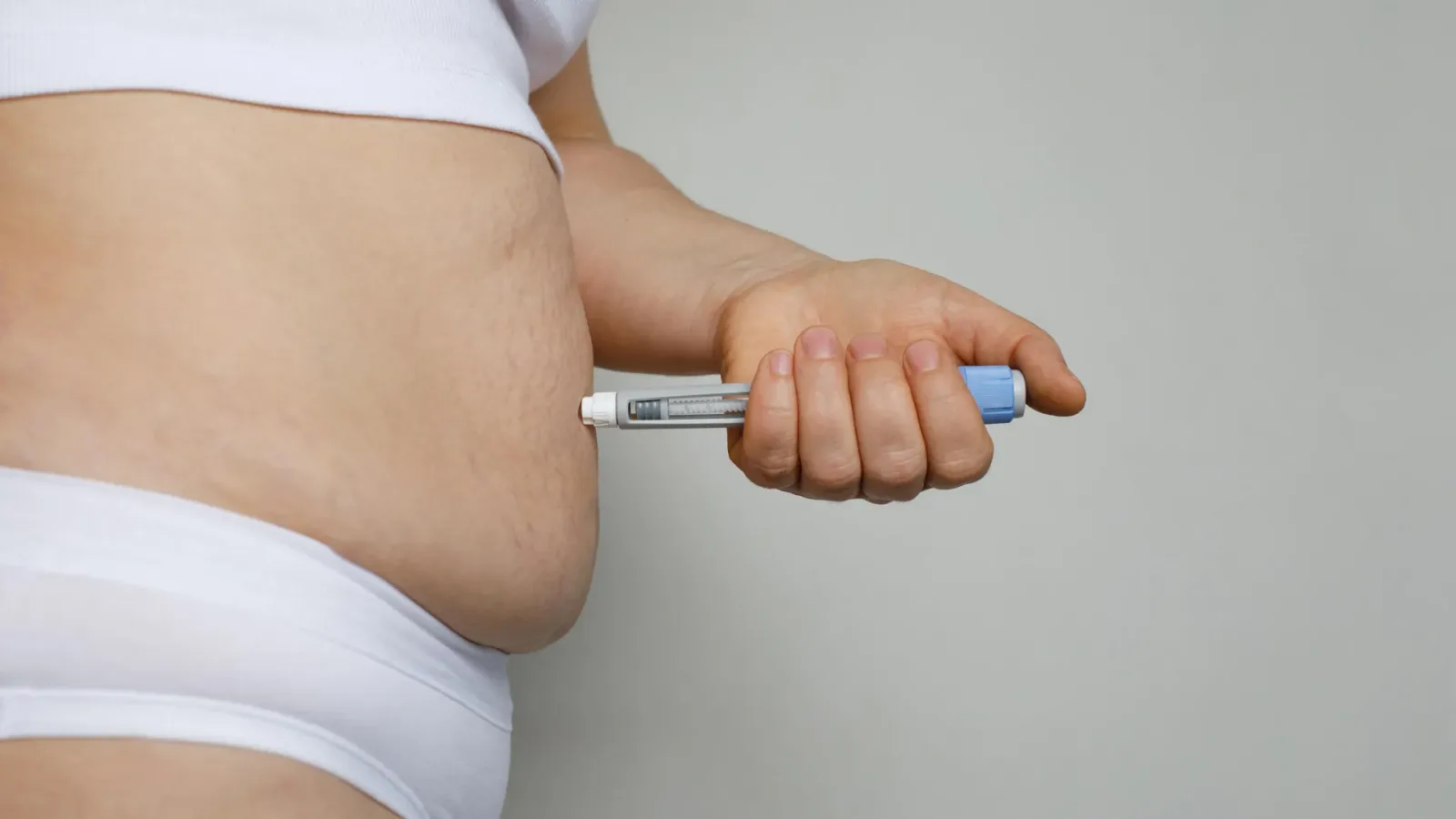
Administer subcutaneously (abdomen, thigh, arm) weekly, rotating sites. Start low to minimize nausea—escalate per prescriber (max 2.4mg Wegovy). Hydrate, eat small meals, avoid triggers.
Track progress: Weight, A1C, body composition. Apps like Shotlee empower users by logging side effects, meals, and exercise alongside medication, aiding doctor discussions.
Who Should Avoid GLP-1s?
- History of medullary thyroid cancer or MEN2.
- Severe GI disorders.
- Pregnancy/breastfeeding.
Always consult a provider; not for cosmetic use alone.
Patient Perspectives: Honest Testimonies
Donnellan's book features candid stories: Users reveal lifelong weight battles, relief from injections, but also gastric distress and muscle concerns. One theme: Emotional wins, but physical vigilance required.
Conclusion: A Balanced Approach to GLP-1 Weight Management
Ozempic and GLP-1 peers offer powerful tools for obesity and diabetes, backed by trials showing superior outcomes to lifestyle alone. Yet, risks like 40% muscle loss, GI issues, and weight regain underscore Donnellan's message—pair drugs with protein-rich diets, strength training, and habit-building for sustainability. Consult healthcare pros, monitor closely (consider tools like Shotlee), and view these as bridges to better health, not shortcuts. For deeper reading, Off the Scales provides invaluable human context to the science.