
Shotlee LogoShotlee
Blog
Download on theApp Store
Get it onGoogle Play
Skip to main content
Ozempic and Weight-Loss Drugs Create Hidden Waste Disaster - Featured image
Peptide Therapy

Ozempic and Weight-Loss Drugs Create Hidden Waste Disaster

Dr. Adrian Vale, MD
Reviewed by Dr. Adrian Vale, MDInternal Medicine · Board-Certified Obesity Medicine
·4 min read

On this page

  • The Rise of Peptide Drugs in Metabolic Health
  • The Environmental Problem: Toxic Waste from Solid-Phase Peptide Synthesis
  • A Breakthrough: Water-Based Peptide Synthesis
  • Implications for Peptide Therapy and Metabolic Health
  • Key Takeaways: What This Means for the Future
  • How SPPS Generates Massive Waste
  • The Scale of the Waste Crisis
  • Overcoming Key Hurdles
  • Proven Results

Track Smart

Calculate active GLP-1 levels automatically with Shotlee.

Download →

The boom in weight-loss drugs like Ozempic is fueling a hidden environmental crisis, with production generating up to 120 million pounds of toxic solvent waste annually. Traditional solid-phase peptide synthesis relies on hazardous chemicals, but a groundbreaking water-based approach could eliminate this issue. Researchers have demonstrated a cleaner method matching traditional yields.

Share

On this page

  • The Rise of Peptide Drugs in Metabolic Health
  • The Environmental Problem: Toxic Waste from Solid-Phase Peptide Synthesis
  • A Breakthrough: Water-Based Peptide Synthesis
  • Implications for Peptide Therapy and Metabolic Health
  • Key Takeaways: What This Means for the Future
  • How SPPS Generates Massive Waste
  • The Scale of the Waste Crisis
  • Overcoming Key Hurdles
  • Proven Results

Ozempic and Weight-Loss Drugs Create Hidden Waste Disaster

Weight-loss drugs like Ozempic have revolutionized metabolic health treatment, powering a surge in peptide therapeutics. However, their production through traditional methods is creating a hidden environmental disaster, generating millions of pounds of hazardous waste each year. A new water-based synthesis approach promises to mitigate this impact while supporting the growing demand for GLP-1 receptor agonists.

The Rise of Peptide Drugs in Metabolic Health

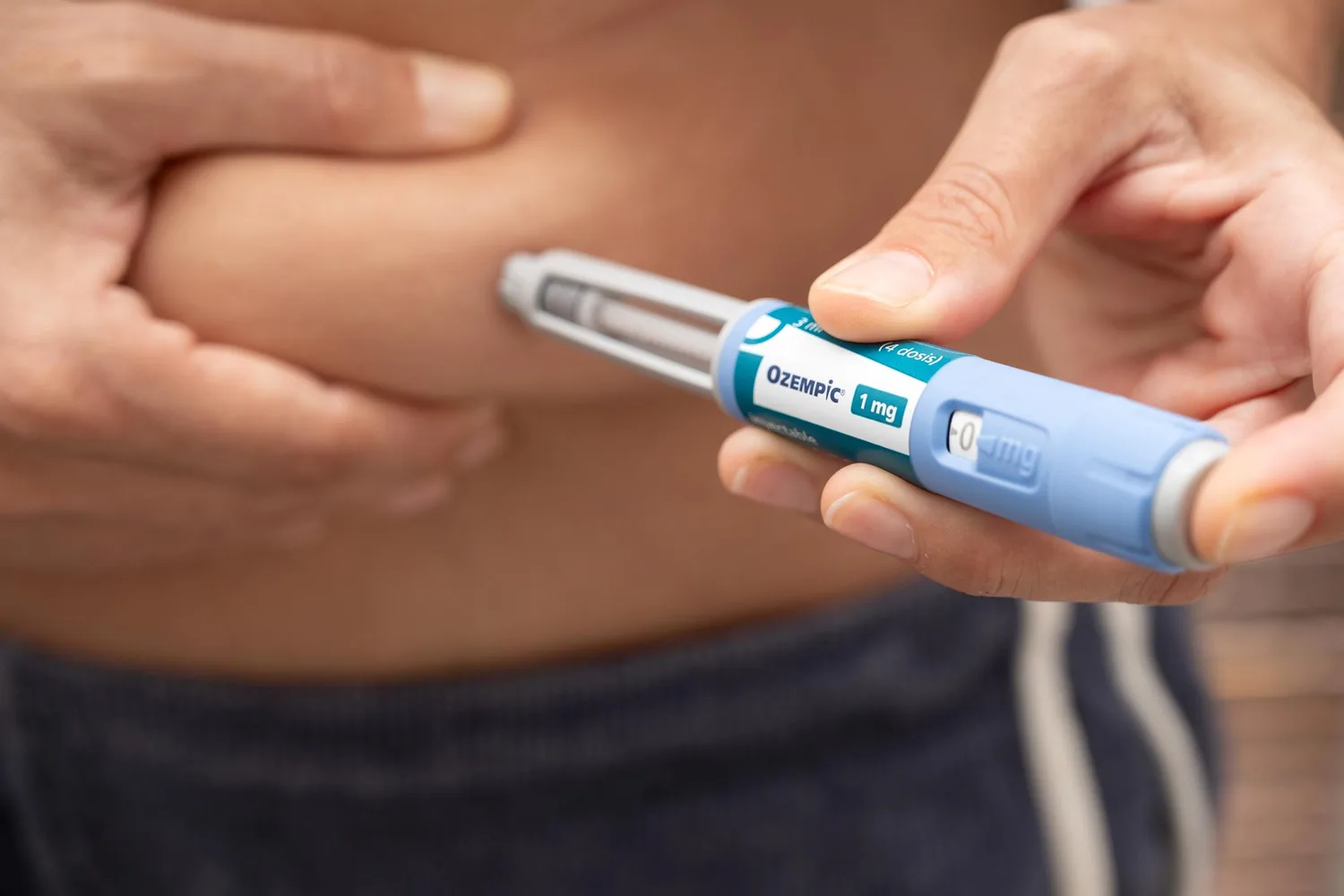
Peptides, short chains of amino acids that mimic protein building blocks, are at the heart of modern pharmaceuticals. They drive blockbuster weight-loss drugs such as Ozempic (semaglutide), alongside cancer therapies, metabolic disease treatments, and rare disease options. Their applications also span agriculture, veterinary medicine, and cosmetics.

This success has sparked explosive growth. Peptide therapeutics were valued at more than $50 billion globally in 2023 and are projected to surpass $70 billion by 2030. A significant portion of this expansion stems from GLP-1 receptor agonists like Ozempic and similar drugs, which have transformed obesity and diabetes management.

Yet, this pharmaceutical juggernaut comes with an unseen cost: the environmental toll of manufacturing these complex molecules. As demand escalates, so does the waste, prompting scientists to seek sustainable alternatives.

The Environmental Problem: Toxic Waste from Solid-Phase Peptide Synthesis

For decades, peptide production has depended on solid-phase peptide synthesis (SPPS), a method that builds amino acids sequentially onto a solid support, usually polystyrene beads. While efficient and scalable for drugs like Ozempic, SPPS demands repeated chemical reactions and washes with vast quantities of organic solvents.

How SPPS Generates Massive Waste

Each synthesis cycle involves solvents like dimethylformamide (DMF), a potent chemical also used in paint strippers. DMF excels at dissolving reagents but is notoriously hard to dispose of, carries health risks for workers, and faces increasing regulatory scrutiny. The polystyrene beads add non-biodegradable plastic waste to the mix.

This process is solvent-intensive by design. Organic solvents ensure amino acids link properly, but recovery and recycling are inefficient, leading to disposal challenges.

The Scale of the Waste Crisis

Producing just 1 kilogram (2.2 pounds) of a GLP-1 drug like semaglutide requires up to 30,000 pounds of toxic solvent. In stark contrast, small-molecule drugs use about 650 pounds of solvent per pound of product. With annual semaglutide production nearing 8,800 pounds, GLP-1 drugs alone may generate at least 120 million pounds of solvent waste each year.

This imbalance underscores a broader issue in peptide manufacturing. As GLP-1 demand surges—driven by weight-loss applications—the waste footprint expands, straining disposal systems and contributing to pollution. Regulatory bodies are tightening rules on DMF and similar solvents, pushing manufacturers toward greener methods.

Precision tracking for your journey

Join thousands using Shotlee to accurately track GLP-1 medications and side effects.

📱 Get the Shotlee App

Track your GLP-1 medications, peptides, and health metrics on the go with our mobile app!

Download on theApp Store
Get it onGoogle Play

A Breakthrough: Water-Based Peptide Synthesis

Researchers at the University of Melbourne, collaborating with Dr. Don Wellings of SpheriTech Ltd in the UK, tackled this challenge head-on. Their aim: replace toxic solvents with water, creating a sustainable SPPS variant.

Overcoming Key Hurdles

A major barrier was Fmoc-protected amino acids, which do not dissolve in water. The team paired them with specific salts to achieve high-concentration solubility while preserving reactivity. They also engineered a water-compatible activating agent and swapped plastic supports for a biodegradable, water-attracting material.

Proven Results

With contributions from Nobel Prize-winning chemist Professor Morten Meldal, the method was refined and tested on three complex peptides. It matched or exceeded traditional SPPS in yield and purity, all without DMF or organic solvents.

This water-based coupling enables full peptide synthesis in aqueous conditions, slashing waste and hazards.

Implications for Peptide Therapy and Metabolic Health

Cleaner production offers multiple benefits. It could lower costs by reducing solvent expenses and disposal fees, making GLP-1 drugs like Ozempic more accessible. Improved worker safety and compliance with environmental regulations are additional wins.

As demand climbs—with generic GLP-1 versions on the horizon—scaling this method is critical. Researchers are adapting it for automated synthesizers, potentially transforming peptide manufacturing. This shift supports sustainable growth in metabolic health treatments without compromising efficacy.

Compared to small-molecule production, water-based SPPS bridges the waste gap, aligning peptide drugs with greener pharmaceutical standards. For patients using Ozempic or similar therapies, it means a more eco-friendly supply chain, indirectly benefiting long-term availability.

Key Takeaways: What This Means for the Future

  • Traditional SPPS for Ozempic and GLP-1 drugs produces up to 30,000 pounds of solvent waste per kilogram.
  • Annual waste from semaglutide alone exceeds 120 million pounds.
  • University of Melbourne's water-based method eliminates toxic solvents, matching SPPS performance.
  • Scaling this could cut environmental impact, reduce costs, and meet regulations amid $70B market growth by 2030.

In summary, while Ozempic drives metabolic health advances, its production waste demands action. This water-based innovation paves the way for sustainable peptide therapy.

Reference: "Water-based coupling of amino acids for sustainable solid-phase peptide synthesis" by Donald A. Wellings, Joshua Greenwood, Ian Thomas, Colin Hughes, Wenyi Li, Feng Lin, Mohammed Akhter Hossain, Arianna Lanza, Morten Meldal and John D. Wade, 3 February 2026, Nature Sustainability. DOI: 10.1038/s41893-025-01761-z

Discuss sustainable medication options with your healthcare provider to stay informed on evolving peptide therapies.


?Frequently Asked Questions

What waste does Ozempic production generate?

Producing 1 kg of GLP-1 drugs like semaglutide requires up to 30,000 pounds of toxic solvents like DMF via solid-phase peptide synthesis, leading to over 120 million pounds of waste yearly from this class.

How does solid-phase peptide synthesis (SPPS) work?

SPPS builds peptides by adding amino acids one by one to polystyrene beads, using repeated washes with organic solvents like DMF for reactions, resulting in massive hazardous waste.

What is the new water-based peptide synthesis method?

Developed by University of Melbourne researchers with Dr. Don Wellings and Professor Morten Meldal, it uses salts for Fmoc-amino acid solubility, a water-compatible activator, and biodegradable supports to synthesize peptides entirely in water, matching traditional yields without toxic solvents.

Why is peptide drug waste a growing problem?

The peptide market hit $50 billion in 2023 and is expected to exceed $70 billion by 2030, driven by GLP-1 agonists like Ozempic, amplifying SPPS waste far beyond small-molecule drugs.

Can water-based synthesis scale for drugs like Ozempic?

Researchers are adapting it for automated systems, potentially reducing costs, improving safety, and helping meet environmental regulations as GLP-1 demand rises.

Source Information

Originally published by SciTechDaily.Read the original article →

Read next

Keep exploring

More on Ozempic

Articles covering Ozempic dosing, side effects, and clinical updates.

Ozempic Price Cut: Generic Semaglutide Arrives in Canadian Pharmacies
Health & Wellness

Ozempic Price Cut: Generic Semaglutide Arrives in Canadian Pharmacies

Two generic versions of Ozempic have arrived in Canadian pharmacies, offering diabetes and weight loss patients significant cost savings compared to the brand-name medication.

7 min read
Retatrutide Breaks Records: What Phase 3 TRIUMPH-1 Data Means
Health & Wellness

Retatrutide Breaks Records: What Phase 3 TRIUMPH-1 Data Means

Eli Lilly's Retatrutide has shown remarkable weight loss potential in Phase 3 trials. We break down the TRIUMPH-1 results, safety data, and what patients can expect.

9 min read
Driving on Ozempic & Mounjaro: Avoiding the £1,000 DVLA Fine
Health & Wellness

Driving on Ozempic & Mounjaro: Avoiding the £1,000 DVLA Fine

New regulations warn that GLP-1 medication users could face significant fines if side effects impair driving. Here is the complete guide to staying safe and compliant.

8 min read

More in Peptide Therapy

Beyond Willpower: Understanding Obesity's Metabolic Roots
Health & Wellness

Beyond Willpower: Understanding Obesity's Metabolic Roots

Obesity is a complex, multi-organ disease, not a failure of willpower. This article delves into its metabolic underpinnings and outlines a practical approach to management, including modern medications and lifestyle adjustments.

7 min read
Daily Almonds Boost GLP-1 & Gut Health: Science-Backed Weight Loss Tips
Nutrition & Wellness

Daily Almonds Boost GLP-1 & Gut Health: Science-Backed Weight Loss Tips

A new controlled study suggests that swapping processed snacks for a daily serving of almonds can enhance gut bacteria, lower inflammation, and increase satiety hormones like GLP-1.

7 min read
Beyond Sugar: How One Doctor Lost 94 lbs & Silenced Food Noise
Health & Wellness

Beyond Sugar: How One Doctor Lost 94 lbs & Silenced Food Noise

Dr. Stacy Smalley shares her transformative journey of losing 94 pounds by eliminating sugar, detailing how it silenced persistent cravings and improved her overall well-being. This article explores the science behind sugar's impact on appetite and provides actionable strategies for readers to achieve similar results.

8 min read
Share this article
  1. Home
  2. Blog
  3. Ozempic and Weight-Loss Drugs Create Hidden Waste Disaster
Dr. Adrian Vale, MD — Internal Medicine · Board-Certified Obesity Medicine
Medically reviewed

Dr. Adrian Vale, MD

Internal Medicine · Board-Certified Obesity Medicine

Dr. Adrian Vale is a board-certified internal medicine physician with a clinical focus on obesity medicine and metabolic health. He reviews Shotlee guides and articles on GLP-1 medications, peptide therapy, and weight-management protocols for clinical accuracy.

View all articles reviewed by Dr. Adrian Vale, MD
Shotlee LogoShotlee

Your comprehensive health tracking companion. Track, analyze, and optimize your journey with advanced metrics and community support.

Product

  • Medication Trackers
  • Health Guides
  • Calculators
  • Compare Medications
  • Pricing

Resources

  • Health Blog
  • Support Center

Legal

  • Privacy Policy
  • Terms of Service
  • Community Guidelines
  • Refund Policy

© 2026 Shotlee. All rights reserved.

Made with for the community♥ for the community