
Ozempic and Wegovy Linked to Reduced Anxiety and Depression Risk
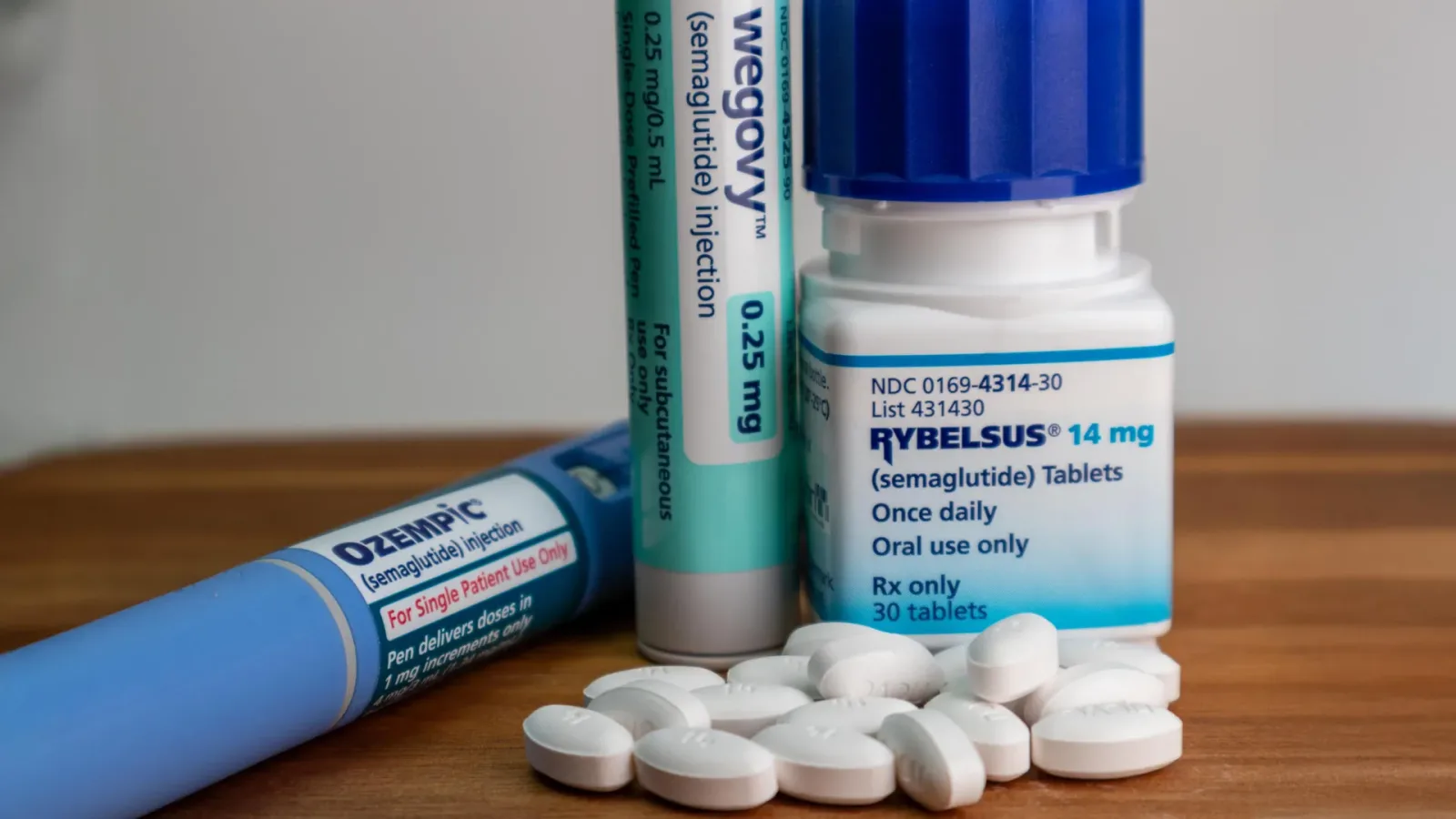
A groundbreaking study reveals that semaglutide, the active ingredient in popular GLP-1 receptor agonists like Ozempic and Wegovy, is associated with significant reductions in symptoms of anxiety and depression. Specifically, semaglutide was linked to a 44% decreased risk of worsening depression and a 38% decreased risk of worsening anxiety among patients. This finding, published in The Lancet Psychiatry, highlights potential mental health benefits for individuals managing type 2 diabetes or obesity.
The Study: Analyzing GLP-1s and Mental Health Outcomes
An international team of researchers from the University of Eastern Finland, Karolinska Institutet in Stockholm, and Griffith University in Australia conducted a comprehensive analysis using data from Swedish health registries. They examined records from more than 95,000 patients diagnosed with anxiety or depression who were also taking anti-diabetic medications between 2009 and 2022. Among these, 22,480 individuals used GLP-1 receptor agonists.
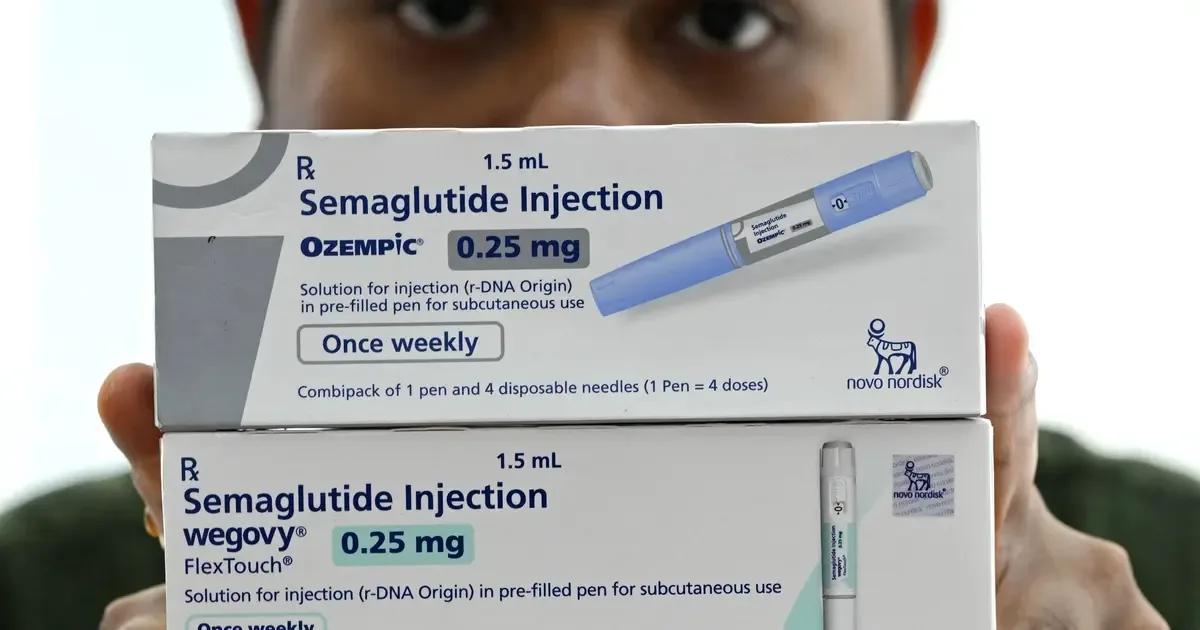
The study compared outcomes for users of semaglutide (Ozempic for type 2 diabetes, Wegovy for weight loss) and liraglutide (Saxenda for weight management) against those not using these drugs. The goal was to assess whether these medications impacted the progression of mental health issues in patients with co-occurring diabetes or obesity.
Why Focus on GLP-1 Receptor Agonists?
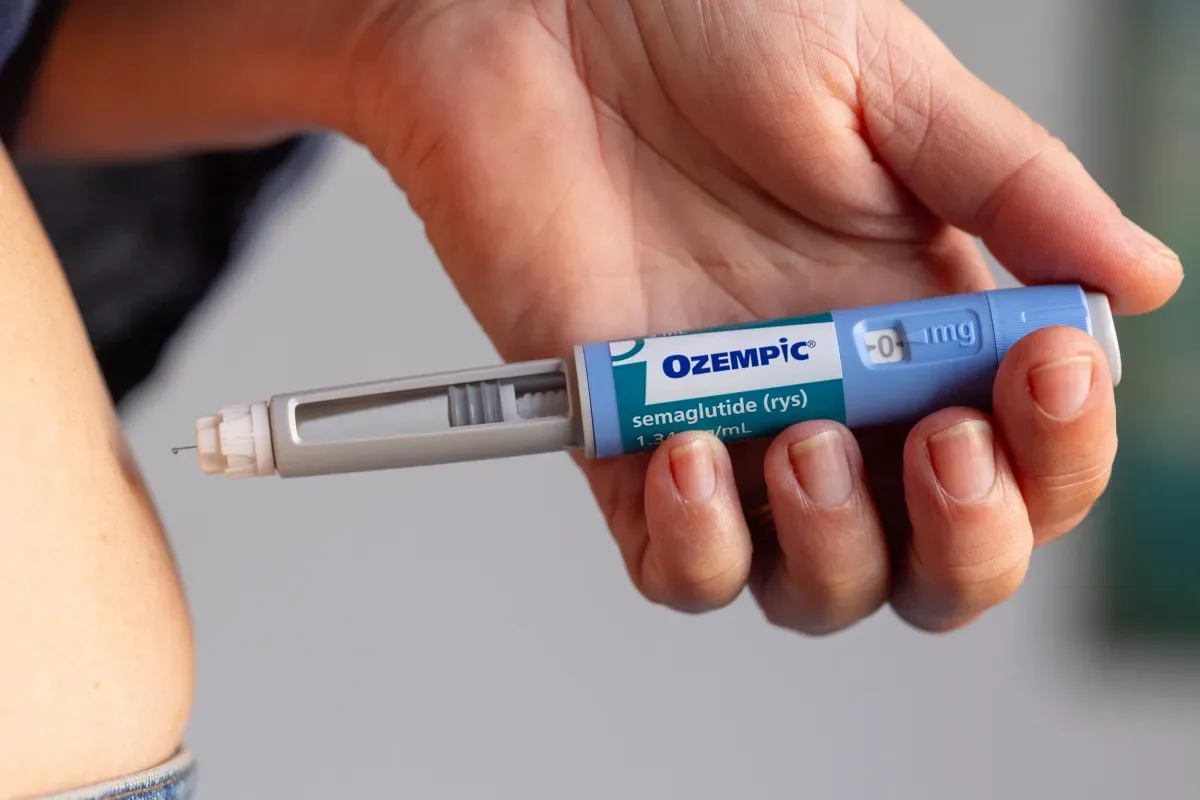
GLP-1 receptor agonists mimic the glucagon-like peptide-1 hormone, which regulates blood sugar, slows gastric emptying, and promotes satiety. Originally developed for glycemic control in type 2 diabetes, drugs like Ozempic and Wegovy have gained fame for substantial weight loss effects. Both share semaglutide as their active ingredient, administered via weekly injections.
These medications have shown cardiovascular benefits in prior trials, such as reducing heart attack risks. Now, emerging evidence points to broader effects, including on mental health, possibly through anti-inflammatory actions or modulation of brain reward pathways.
Key Findings: Semaglutide's Impact on Depression and Anxiety
The results were striking: semaglutide users had a 44% decreased risk of worsening depression and a 38% decreased risk of worsening anxiety compared to non-users. Additionally, semaglutide was linked to a lower risk of substance abuse, suggesting multifaceted protective effects.
"For anxiety and depression that co-occur with diabetes and obesity, semaglutide and, to a lesser extent, liraglutide might be useful dually effective therapeutic options," the authors wrote.
Liraglutide (Saxenda) also demonstrated benefits, with a lower risk of worsening depression, though less pronounced than semaglutide.
Potential Mechanisms: Beyond Weight Loss
Research director Markku Lahteenvuo from the University of Eastern Finland commented: "Because this is a registry-based study, we cannot determine exactly why or how these medications affect mood symptoms, but the association was quite strong. It is possible that, in addition to factors such as reduced alcohol consumption, weight loss-related improvements in body image, or relief associated with better glycaemic control in diabetes, there may also be direct neurobiological mechanisms involved - for example, through changes in the functioning of the brain's reward system."
Preclinical studies support this: GLP-1 receptors exist in brain regions regulating mood, appetite, and addiction. Semaglutide may reduce inflammation, enhance neuroplasticity, or stabilize dopamine signaling, explaining reduced anxiety, depression, and substance use risks.
Precision tracking for your journey
Join thousands using Shotlee to accurately track GLP-1 medications and side effects.
📱 Get the Shotlee App
Track your GLP-1 medications, peptides, and health metrics on the go with our mobile app!
Comparing GLP-1s to Other Treatments
Unlike antidepressants (e.g., SSRIs), which target serotonin, GLP-1s offer dual benefits for metabolic and mental health without common sexual side effects. However, they are not FDA-approved for psychiatric use. For patients with obesity-related depression, semaglutide provides an edge over lifestyle interventions alone, with average weight loss of 15-20% in trials.
- Semaglutide (Ozempic/Wegovy): Superior for anxiety/depression reduction.
- Liraglutide (Saxenda): Notable depression benefits, daily dosing.
- Alternatives like dulaglutide or tirzepatide: Less studied for mental health.
Practical Guidance for Patients
If you have type 2 diabetes, obesity, and co-existing anxiety or depression, discuss GLP-1s with your doctor. These drugs are prescription-only; typical starting doses are 0.25mg weekly for Ozempic, titrating to 1-2.4mg. Monitor for gastrointestinal side effects like nausea, which often subside.
Tools like Shotlee can help track symptoms, mood changes, and medication adherence alongside weight and blood sugar logs, providing data for doctor discussions.
Safety Considerations
Common side effects include nausea, vomiting, and diarrhea. Rare risks involve pancreatitis or thyroid tumors (boxed warning). No direct mental health worsening was noted; benefits appear outweighing risks for eligible patients.
A Related Study: GLP-1s and Pregnancy Risks
A separate Danish study examined accidental GLP-1 exposure in early pregnancy using registries for 480,231 women and 756,636 pregnancies. Of these, 529 took liraglutide or semaglutide unknowingly.
Findings: Exposure increased preterm birth risk (<37 weeks) when used for diabetes treatment, but not for weight management. Researchers concluded: "the underlying diabetes rather than the medication may be the causal factor." GLP-1s are contraindicated in pregnancy; stop if planning conception.
Key Takeaways and What This Means for Patients
- Semaglutide (Ozempic, Wegovy) linked to 44% lower depression risk, 38% lower anxiety risk.
- Liraglutide (Saxenda) reduces depression progression.
- Benefits may stem from weight loss, better glucose control, or brain effects.
- Ideal for diabetes/obesity patients with mental health comorbidities.
- Pregnancy caution: Avoid; diabetes drives preterm risks.
Consult healthcare providers before starting. These observational findings warrant randomized trials for confirmation.
Conclusion: A Promising Dual Role for GLP-1 Agonists
Ozempic and Wegovy, through semaglutide, offer hope for reducing anxiety and depression symptoms alongside metabolic benefits. While mechanisms need further exploration, the 95,000-patient Swedish study provides robust evidence. Patients should prioritize personalized medical advice for optimal outcomes in metabolic and mental health management.