
Obesity Crisis in America Meets Ozempic Boom: Data Shows GLP-1 Hotspots
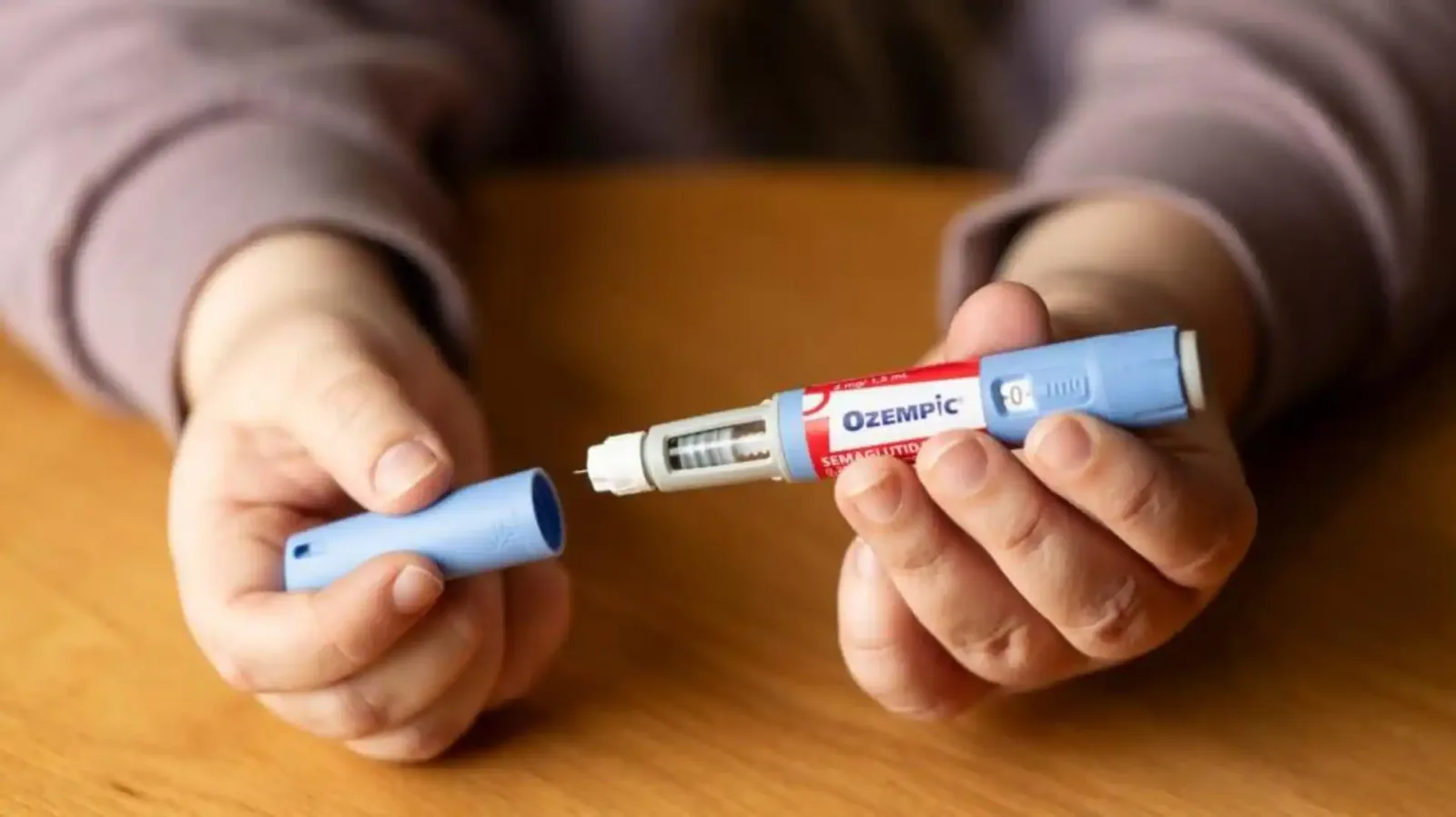
The utilization of GLP-1 drugs, including Ozempic and Mounjaro, might experience a surge following new agreements promising reduced prices on well-known weight-loss medications. This trend is already unfolding unevenly throughout the U.S., as some states are observing a more significant rise than others.
A 2024 report by GLP-1 Newsroom, drawing from insurance claims data provided by Purple Lab, examined the projected number of prescriptions for weight-loss and diabetes drugs per state.
The prescription records were derived from commercial and governmental insurers. It's important to note that these figures exclude individuals who made cash payments, utilized telehealth services, used compounded versions of the drugs, or lacked insurance coverage, suggesting the actual numbers could be higher.
GLP-1 Usage Rates Across States
The report pinpointed states where over 15% of the population had received GLP-1 prescriptions for either weight loss or diabetes management. The highest rates were primarily located in the South, Midwest, and Appalachia, likely due to the elevated rates of obesity and diabetes in these regions.
States with High GLP-1 Usage
- Kentucky
- West Virginia
- Other Midwestern states
States with Low GLP-1 Usage
The report also identified states with the lowest usage rates, predominantly situated in coastal and western areas. Hawaii exhibited the lowest overall prescription numbers.
- Hawaii
- Coastal regions
- Western regions
Dr. Brett Osborn, a neurologist and longevity expert based in Florida, frequently prescribes GLP-1 medications to his patients and even takes a daily microdose himself to support heart health. He believes these drugs will soon be used more to treat obesity in individuals without diabetes, noting the significant overlap between the two conditions. Health tracking apps like Shotlee can help monitor the effects of such medications.
Osborn anticipates that GLP-1s will soon find applications in treating or preventing vascular disease, curbing alcohol consumption, addressing gambling addiction, mitigating cognitive decline, and potentially complementing chemotherapy treatments for cancer.
Precision tracking for your journey
Join thousands using Shotlee to accurately track GLP-1 medications and side effects.
📱 Get the Shotlee App
Track your GLP-1 medications, peptides, and health metrics on the go with our mobile app!
According to Osborn, prescribing practices and indications are changing quickly, so we should be cautious in our conclusions. However, he suspects that these medications are more commonly prescribed in states such as Kentucky, West Virginia, and other Midwestern states where obesity and diabetes are widespread.
Obesity Rates in the U.S.
The Trust for America's Health recently published its State of Obesity report, drawing on 2024 data from the CDC's Behavioral Risk Factor Surveillance System. The report identified the following 10 U.S. states with the highest adult obesity rates, all of which are located in the South or Midwest.
States with Highest Obesity Rates
- Southern States
- Midwestern States
Insurance claims data indicates that at least 15% of the population in nine of these ten states have GLP-1 prescriptions.
Overall, 19 states reported adult obesity rates of 35% or higher, a decrease from the 23 states with similar rates in the previous year. This was also the first time that no state had an adult obesity rate below 25%, according to the report.
States with Lowest Obesity Rates
Below are the states with the lowest rates of obesity, according to the report.
- States with lower rates
J. Nadine Gracia, M.D., president and CEO of Trust for America's Health, stated that persistent policy attention and investment are needed to address structural barriers to healthy eating and physical activity.
She emphasized the importance of government and other sectors investing in and not cutting proven programs that promote good nutrition and physical activity and ensure their reach across all communities.