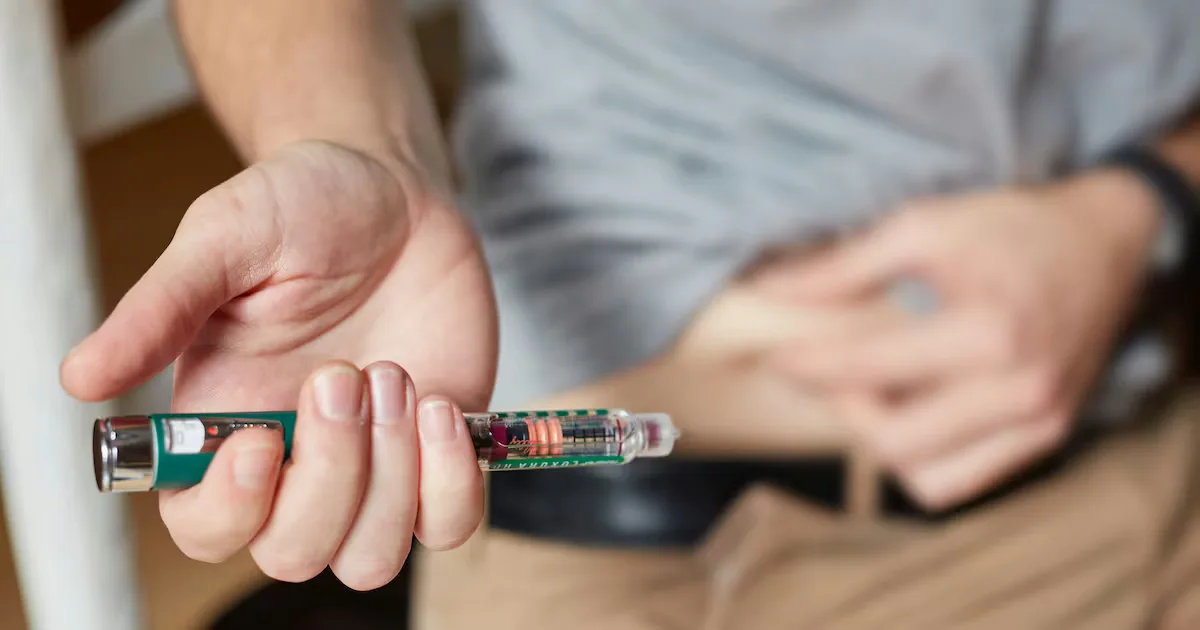

Novo Nordisk has officially confirmed the upcoming launch of Extensior, a copy of its popular diabetes treatment Ozempic, in the South African market. This development marks a significant shift as the first registered alternative to the original product becomes available to consumers, offering a 15% price reduction. While this pricing strategy aims to improve access for patients using GLP-1 medications, major medical schemes like Discovery Health have indicated they will not immediately alter their coverage policies. This news impacts thousands of individuals currently navigating the complex landscape of peptide therapy for weight loss and diabetes management, similar to challenges faced with other popular drugs like Wegovy and Mounjaro. Understanding the nuances between these options is essential for patients seeking to manage their health costs effectively.
What Are the Actual Price Differences Between Ozempic and Extensior?
The new branded alternative, Extensior, is priced at a 15% discount compared to the original Ozempic medication in the South African private sector market. According to industry communications, the Single Exit Price for a 1.5ml pen of Extensior is R1,222.10, whereas the equivalent Ozempic product costs R1,437.78. This price reduction applies to all standard dosages, including the 3ml pen which drops from R2,875.56 to R2,444.23. While this represents a tangible saving for individuals paying out-of-pocket, the discount does not alter the fundamental cost structure for medical schemes significantly. Novo Nordisk maintains that these prices include VAT and reflect high manufacturing standards. Consequently, patients purchasing these pens directly will see reduced expenses, but those relying on insurance coverage face unchanged eligibility rules.
It is important to note that the Single Exit Price is a regulated price that manufacturers must charge for private sector sales. This means the price remains consistent regardless of the volume purchased by pharmacies or clinics. The 15% reduction is a direct result of Novo Nordisk’s strategy to maintain market share while introducing a lower-cost variant of their own product. Patients who are currently paying full price for their prescriptions will benefit immediately from this discount, provided their local pharmacy stocks the new Extensior pens.
However, for those dependent on medical aid reimbursement, the savings may not be fully realized. Since Discovery Health and other schemes have not updated their formularies to cover the new alternative at the same rate, the out-of-pocket burden remains similar for those without specific coverage. Novo Nordisk has stated that as more options enter the market, prices will decrease further, suggesting this is the beginning of a longer-term trend toward affordability in the region.
Why Hasn’t Discovery Health Expanded Coverage for Semaglutide Yet?
Discovery Health confirms there are no immediate plans to change eligibility criteria for its members despite the lower price point of the new alternative product. The medical scheme administrator explains that a 15% reduction is unlikely to justify broader funding due to the high prevalence of Type 2 diabetes within the member base. Chief Clinical Officer Noluthando Nematswerani states that while affordability improves for some, the overall volume of demand remains the primary constraint on scheme sustainability. They regularly review funding positions as clinical evidence evolves. Therefore, members currently without cover will still face out-of-pocket expenses unless their individual plan is updated. The scheme prioritizes managing the long-term financial risk associated with chronic disease management over short-term price adjustments on specific medications.
The decision reflects a broader trend in the South African healthcare industry where the cost of chronic disease management is outpacing premium growth. Medical schemes are increasingly cautious about adding new drugs to their essential benefits lists without a significant drop in overall cost or a proven reduction in hospitalization rates. For GLP-1 agonists like semaglutide, the clinical evidence for long-term weight loss maintenance is strong, but the financial impact on the scheme’s solvency is the deciding factor.
Discovery Health notes that the 15% price drop will assist with reducing member out-of-pocket expenses where cover is currently not provided. This implies that if a member chooses to purchase the medication privately, they will save money, but they will not receive reimbursement from the scheme. Patients are advised to consult with their plan administrators to understand exactly how their specific benefit structure interacts with these new pricing tiers.
Are There Other Generic Semaglutide Options Available in South Africa?
Currently, Novo Nordisk’s Extensior stands as the first registered alternative to Ozempic available to consumers in the South African market. While the South African Health Products Regulatory Authority has approved a generic semaglutide made by India’s Sun Pharmaceuticals, it has not yet hit the market for general sale. Regulatory bodies are actively reviewing a further 12 applications from other companies to enter the semaglutide space. This regulatory backlog means patients have limited choices until more approvals are finalized and distribution channels are established. Extensior serves as the immediate solution for those seeking a lower-cost version of the brand name drug without waiting for third-party generics to become commercially available.
The approval of Sun Pharmaceuticals’ generic by Sahpra is a significant step, indicating that the regulatory framework is becoming more open to competition. However, the time required to manufacture, distribute, and list these products means patients cannot access them immediately. In the interim, Extensior fills the gap by offering a direct competitor from the original manufacturer.
Precision tracking for your journey
Join thousands using Shotlee to accurately track GLP-1 medications and side effects.
📱 Get the Shotlee App
Track your GLP-1 medications, peptides, and health metrics on the go with our mobile app!
Patients should remain vigilant for updates from Sahpra regarding the 12 pending applications. If additional generic manufacturers enter the market, the competitive pressure could drive prices down even further than the current 15% discount. Until then, Extensior remains the only viable alternative for those looking to save on the cost of semaglutide therapy.
Is Semaglutide Approved for Weight Loss or Only Diabetes Treatment?
Ozempic is officially registered as a diabetes treatment rather than a dedicated weight loss medication in most jurisdictions, including South Africa. However, medical practitioners frequently prescribe the drug off-label for weight management because the active ingredient, semaglutide, promotes satiety and reduces appetite effectively. This distinction is critical for insurance funding because schemes typically cover registered indications but may reject off-label uses depending on their specific policy documents. Patients seeking the drug solely for weight loss often find themselves excluded from standard coverage plans even when the medication is clinically appropriate. Novo Nordisk is in talks to increase access in both private and public sectors to address this growing demand for metabolic health solutions.
The off-label use of semaglutide has become a major driver of demand, with many patients prioritizing weight management over glycemic control. However, insurance companies often draw a hard line at the registered indication to control costs. This creates a situation where patients who need the medication for diabetes may get coverage, while those using it for obesity management may not, even if the drug is identical.
This regulatory and funding distinction highlights the importance of clear communication between patients and doctors. When discussing treatment plans, it is vital to understand whether the prescription is being written for a covered indication or an off-label use. This knowledge helps patients anticipate their financial obligations and plan their therapy accordingly without unexpected claim rejections from their medical schemes.
How Can Patients Track Progress and Costs While on GLP-1 Therapy?
Patients managing their health on GLP-1 medications should utilize digital tools to monitor dosage, side effects, and financial outlay over time. Platforms like Shotlee allow users to track symptoms, weigh-ins, and injection logs alongside their insurance claim data for better health management. This systematic approach helps patients identify patterns in how their body responds to semaglutide or tirzepatide therapy. It also provides concrete data to present to healthcare providers during consultations regarding efficacy or adverse reactions. By keeping detailed records, patients can better advocate for their coverage needs and ensure they are maximizing the therapeutic benefits of their treatment plan without unnecessary financial strain.
Consistent tracking is particularly important when starting a new medication or switching brands. Side effects can vary, and tracking them in real-time allows for quicker adjustments to the dosage or support regimen. Furthermore, maintaining a log of costs helps patients budget for their healthcare expenses, especially when out-of-pocket costs are involved.
Using a dedicated health tracking platform ensures that all data points are stored securely and are easily accessible during medical appointments. This level of organization is crucial for long-term success with weight loss and diabetes management programs, as it transforms vague feelings of progress into hard data that can be analyzed and acted upon.
Key Takeaways for Patients
- Extensior is 15% cheaper than Ozempic but Discovery Health has not updated coverage eligibility.
- Prices for Extensior range from R1,222.10 for a 1.5ml pen to R2,444.23 for a 3ml pen.
- Other generics are approved but not yet available on the South African market.
- Semaglutide is registered for diabetes, often used off-label for weight loss.
- Digital health tools like Shotlee help patients track symptoms, doses, and costs effectively.
Price Comparison: Ozempic vs. Extensior
| Product | Pen Size | Price (ZAR) | Discount |
|---|---|---|---|
| Ozempic | 1.5ml | R1,437.78 | 0% |
| Extensior | 1.5ml | R1,222.10 | 15% |
| Ozempic | 3ml | R2,875.56 | 0% |
| Extensior | 3ml | R2,444.23 | 15% |
The launch of Extensior represents a significant step toward affordability for patients in South Africa, even if insurance coverage has not yet adjusted to match the new pricing realities. While the 15% discount offers immediate relief for those paying privately, the broader impact on medical scheme funding will depend on future regulatory approvals and the availability of competing generic products. Patients are encouraged to stay informed about price changes and continue monitoring their health data closely to ensure their treatment plans remain effective and sustainable.
Frequently Asked Questions
- Is Extensior the same as Ozempic? Yes, Extensior contains the same active ingredient, semaglutide, as Ozempic and is manufactured by Novo Nordisk. It is an authorized generic alternative designed to offer a lower price point while maintaining the same quality and safety standards.
- Will my medical aid cover Extensior now? Currently, Discovery Health has stated there are no immediate plans to change eligibility criteria for its members. While the price is lower, the scheme has not yet updated its formularies to guarantee coverage for the new product.
- When will other generic semaglutide brands be available? Sahpra has approved a generic from Sun Pharmaceuticals, but it has not yet launched. Twelve other applications are under review, but there is no confirmed date for when these will hit the market.
- Can I use Extensior for weight loss? While Ozempic and Extensior are registered for diabetes, they are frequently prescribed off-label for weight loss. However, coverage for this use depends on your specific medical scheme policy and the indication written on your prescription.
- How do I track my GLP-1 therapy progress? Patients should use health tracking tools to log their dosage, weight changes, and side effects. This data is essential for communicating with your doctor and managing out-of-pocket costs effectively.