
Patient Stories: Breaking Through Weight Loss Plateaus with GLP-1 Drugs
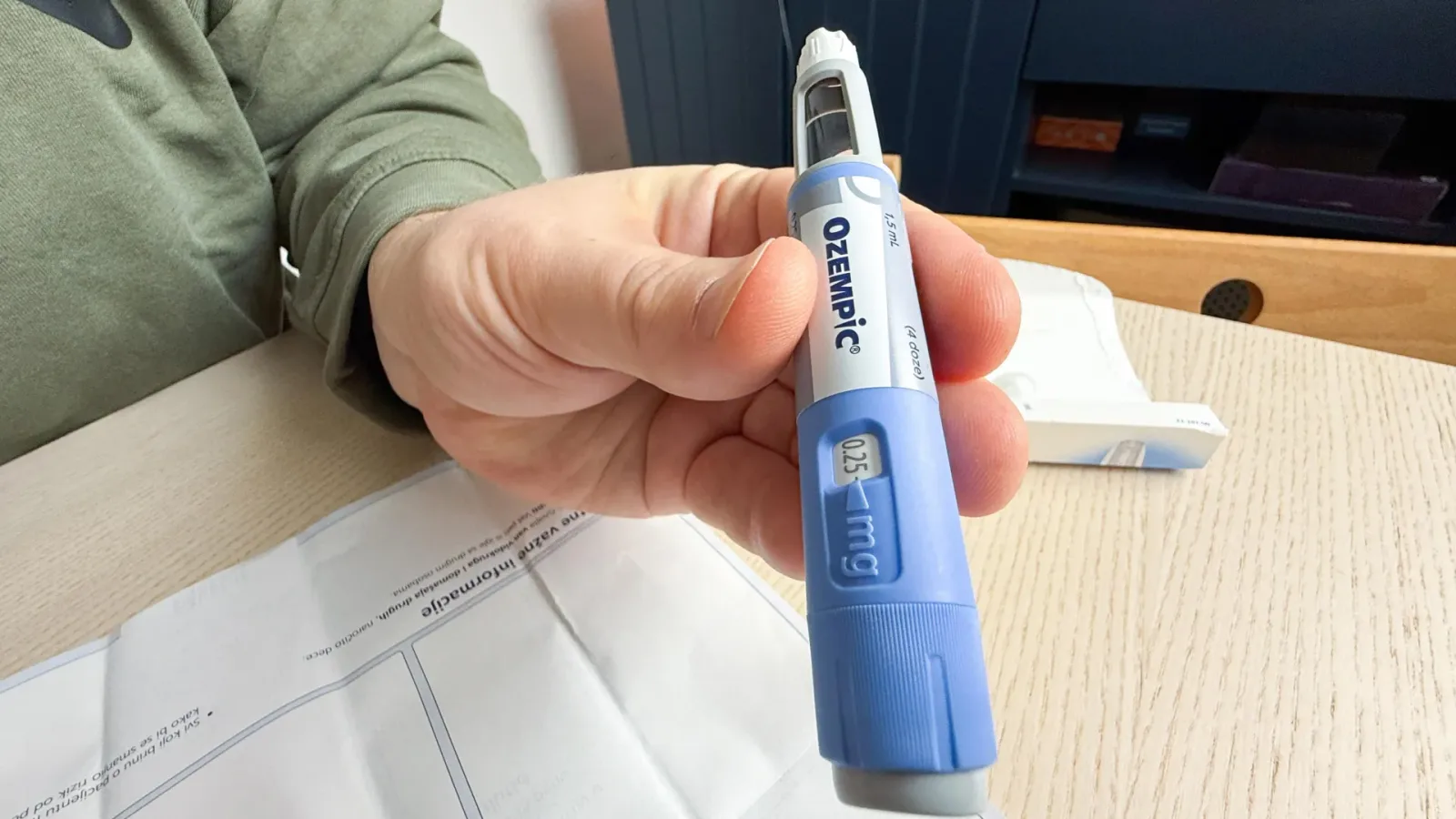
When Terra Field started taking Wegovy for weight loss in 2022, she finally understood what satiety truly felt like. "It felt the way I thought my body should have been operating the entire time," says Field, who adds that she has dealt with constant food cravings and binge eating since childhood. Field, now age 43, had lost more than 100 pounds in two and a half years, and she says that the relief from "food noise," a constant preoccupation with food, changed her life.
Then, in early 2025, her weight loss hit a plateau. Because Field still had a ways to go to reach what she considered a healthy weight, she switched to a double-target drug called Zepbound; immediately she started to see the numbers on the scale drop again. Like Field, many people who have taken these drugs, broadly known as glucagonlike peptide 1 (GLP-1) receptor agonists—or GLP-1 weight-loss drugs—have seen weight loss stagnate, and nearly a quarter haven't seen any weight or health benefits at all.
This real-world experience highlights a key challenge in obesity treatment: the need for more effective options when initial GLP-1 therapies like Wegovy plateau. Pharmaceutical companies are racing to develop the next generation of these treatments—ones that simultaneously target up to three food-related pathways in the brain. As these new GLP-1 weight-loss drugs barrel through clinical trials and U.S. Food and Drug Administration (FDA) reviews, a gray market has emerged selling unofficial versions, while clinicians raise concerns about the potential harms of excessive, rapid weight loss.
How GLP-1 Weight-Loss Drugs Work: From Single to Multi-Target Mechanisms
The initial versions of GLP-1 weight-loss drugs, including semaglutide (the generic name for Wegovy, produced by Novo Nordisk), target one gut hormone: GLP-1. Naturally released from the gut in response to food, GLP-1 is associated with "feeling full" after a meal. It also promotes insulin secretion to keep blood sugar in check. GLP-1 receptors are "very widely distributed," particularly in the brain, says Daniel Drucker, an endocrinologist at the University of Toronto, who has consulted for Novo Nordisk, Eli Lilly, and other companies developing weight-loss drugs.
The body's hormone lasts only 20 to 30 minutes, Drucker says. Injected semaglutide binds to these GLP-1 receptors and reduces appetite for nearly a week, ultimately causing people to eat less and lose weight. This mechanism explains the profound satiety many patients like Terra Field experience, reducing the mental burden of constant hunger signals.
Dual Agonists: Zepbound's Edge Over Wegovy
For extra punch, Eli Lilly developed a "dual agonist" called tirzepatide (sold as Zepbound for weight loss), which hits the GLP-1 receptor and a second receptor—gastric inhibitory polypeptide (GIP). The double whammy increased body weight loss by about six percentage points compared with semaglutide in a clinical trial. In a clinical trial comparing tirzepatide and semaglutide, people taking tirzepatide showed roughly 20 percent drops in weight in a similar amount of time, while people on semaglutide lost around 14 percent.
This comparison underscores why patients like Field turn to Zepbound when Wegovy stalls: the addition of GIP enhances appetite suppression and metabolic effects, offering a more robust response for those with resistant obesity or type 2 diabetes.
Triple Agonists and Combinations: The Next Frontier in GLP-1 Weight-Loss Drugs
Retatrutide: Eli Lilly's Triple-Threat Drug
If two is good, three must be better—at least that's what pharmaceutical companies are banking on. Eli Lilly is currently developing a triple agonist called retatrutide. This drug activates GLP-1, GIP, and glucagon receptors. The latter receptors increase glucose levels in the blood, which might seem contradictory for treating metabolic issues such as diabetes. But the process can also lead to more insulin secretion—and drive down weight. "When you add [the three targets] together, it definitely improves control of diabetes and definitely gets the person to a lower body weight," Drucker says.
In clinical trial results released in December 2025, people on the highest dose of retatrutide lost nearly 30 percent of their body weight in 68 weeks. Eli Lilly is expecting results from several more phase 3 trials of retatrutide for obesity and type 2 diabetes this year, a spokesperson told Scientific American. Depending on those results, the company will seek FDA approval, the spokesperson said. These findings position retatrutide as potentially twice as effective as current GLP-1 weight-loss drugs like Wegovy and Zepbound for substantial weight reduction.
Precision tracking for your journey
Join thousands using Shotlee to accurately track GLP-1 medications and side effects.
📱 Get the Shotlee App
Track your GLP-1 medications, peptides, and health metrics on the go with our mobile app!
CagriSema: Novo Nordisk's Dual-Drug Blend
Alongside single chemicals that target multiple receptors, others are looking to blend existing drugs into more powerful formulas. On December 18, 2025, Novo Nordisk applied for FDA approval of a two-drug combination called CagriSema. In the name, "Sema" stands for semaglutide, while "Cagri" refers to cagrilintide, a peptide drug that locks on to amylin receptors. Amylin is another hormone that promotes satiety and slows gastric emptying. Similar to GLP-1 receptors, amylin receptors are also in areas of the brain related to appetite, and stimulating them sends messages that you're not hungry, Drucker says. But amylin receptors and GLP-1 receptors are on slightly different groups of brain cells. "Activating those two pathways will give you more weight loss than just one medicine alone," he says.
Cagrilintide might also ease some of GLP-1 drugs' common gastrointestinal side effects, such as severe nausea and vomiting, says Jesse Richards, an internal medicine and obesity clinician at the University of Oklahoma School of Community Medicine. (Richards gives paid talks for Novo Nordisk and Eli Lilly.) Many GLP-1 receptors are scattered in the brain's area postrema, which "drives most of your nausea," Richards explains, while the amylin receptors occur on a slightly different pathway that corresponds to less nausea. In trials, participants taking CagriSema lost about 23 percent of their body weight in 68 weeks. A representative for Novo Nordisk told Scientific American that the company hopes to see FDA review in 2026.
Who Might Benefit from These Stronger GLP-1 Weight-Loss Drugs?
The wave of upcoming medications could also help people who haven't responded well to existing GLP-1 drugs. "People differ in underlying biology and appetite regulation, and some are unable to reach or maintain higher doses [of current drugs] because of side effects," says Areesha Moiz, a clinical epidemiologist at the Lady Davis Institute for Medical Research in Quebec. For patients like Terra Field facing plateaus, these multi-target therapies offer renewed hope.
Patients considering these options should discuss with their healthcare provider factors like BMI, comorbidities (e.g., type 2 diabetes, cardiovascular disease), and prior treatment responses. Tools like Shotlee can assist in tracking symptoms, side effects, or medication schedules to provide data-driven insights for personalized care.
Safety Concerns: How Much Weight Loss Is Too Much?
New drugs could be better tolerated, but scientists and clinicians are cautious about their intense weight-loss effects—retatrutide can reduce someone's weight by a third in less than a year, for instance. Such extreme drops in weight can be dangerous. "Large weight loss increases risk of gallstones no matter how it's achieved, and there's increasing attention to losing muscle alongside fat," Moiz says. "With very strong drugs, some people can lose too much and become underweight. And in older adults, rapid weight loss can also contribute to low blood pressure and dizziness."
Common side effects of current GLP-1 weight-loss drugs include gastrointestinal issues, which CagriSema may mitigate, but monitoring for muscle loss, nutritional deficiencies, and cardiovascular changes remains essential. Compared to lifestyle interventions or older drugs like phentermine, these injectables offer superior efficacy but require medical supervision.
Market Impact and Ethical Questions
Pharmaceutical companies stand to make a lot of money from these drugs. The latest results from Eli Lilly's retatrutide trials helped the company hit a $1-trillion stock value. Prices of the drugs remain sky-high, and insurance coverage can be limited or fully denied. In the next five years, as these advanced drugs enter the market, Richards predicts that people and their doctors could effectively "choose" the exact weight they desire—and "that is a scary concept."
For Field, who is still responding to Zepbound, the drug advances have been both life-altering and lifesaving. If she hits another plateau or if the food noise returns, Field says, she would try a new, souped-up version of these medications. But she adds that she tries to "be fat-positive" and hopes others feel empowered to make their own decisions about their body size, especially when weight stigma remains an issue in society as well as in the medical community.
Key Takeaways: What This Means for Patients and Providers
- Preserved Efficacy Escalation: Retatrutide achieved nearly 30% weight loss in 68 weeks; CagriSema 23%; Zepbound ~20%; Wegovy ~14%.
- Mechanistic Advances: Multi-hormone targeting (GLP-1, GIP, glucagon, amylin) enhances satiety and metabolism beyond single agonists.
- Patient Guidance: Ideal for plateaued responders or non-responders; consult doctors on risks like gallstones, muscle loss.
- Future Outlook: FDA approvals pending for retatrutide (2026+) and CagriSema (2026); monitor trials for obesity and diabetes.
In summary, these stronger GLP-1 weight-loss drugs like CagriSema and retatrutide represent a significant evolution, potentially doubling weight loss outcomes for many. However, balancing efficacy with safety requires individualized approaches, ongoing research, and ethical considerations around access and societal impacts.