
MHRA Investigates UK Peptide Clinics Over Health Claims
The medicines regulator in the UK, the Medicines and Healthcare products Regulatory Agency (MHRA), is launching an investigation into whether peptide clinics are breaching the law by promoting the benefits of unregulated, experimental peptide therapies. This development, revealed by the Guardian, comes amid a surge in interest for these injectable substances, often marketed for anti-ageing, injury recovery, and metabolic health improvements. However, scientific evidence supporting these claims in humans remains limited, with most studies confined to animals or cells.
The Boom in Experimental Peptide Therapies
Peptides are short chains of amino acids, some of which occur naturally in the body, such as the hormone insulin that regulates blood sugar levels. In recent years, there's been a significant boom in using synthetic or experimental peptides for therapeutic purposes, including weight loss, anti-ageing, and tissue repair. This interest has been fueled by sellers, influencers, and even some medical professionals touting their potential.
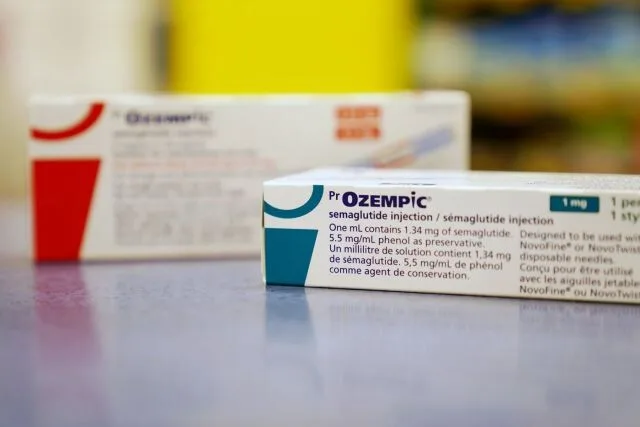
While approved peptide-based medications like semaglutide (in Wegovy) and tirzepatide (in Mounjaro) have undergone rigorous regulatory approval for weight loss and metabolic conditions, many other peptides remain experimental. These unregulated options bypass the strict testing required for prescription drugs, raising concerns about safety, efficacy, and legality.
Specific Claims Made by UK Peptide Clinics
A Guardian investigation uncovered several UK clinics, prominent in Google search results for "peptide clinics UK," openly making medicinal claims on their websites despite MHRA prohibitions. One top clinic advertised:
- Cortexin: "Used for neuroprotection and cognitive enhancement."
- BPC-157: "Aids in tissue repair and recovery from injuries."
- Thymosin Alpha: "Boosts immune function."
The MHRA confirmed these constitute medicinal claims, rendering the products subject to regulation under the Human Medicines Regulations 2012. Following the Guardian's inquiry, the clinic removed the claims from its site.
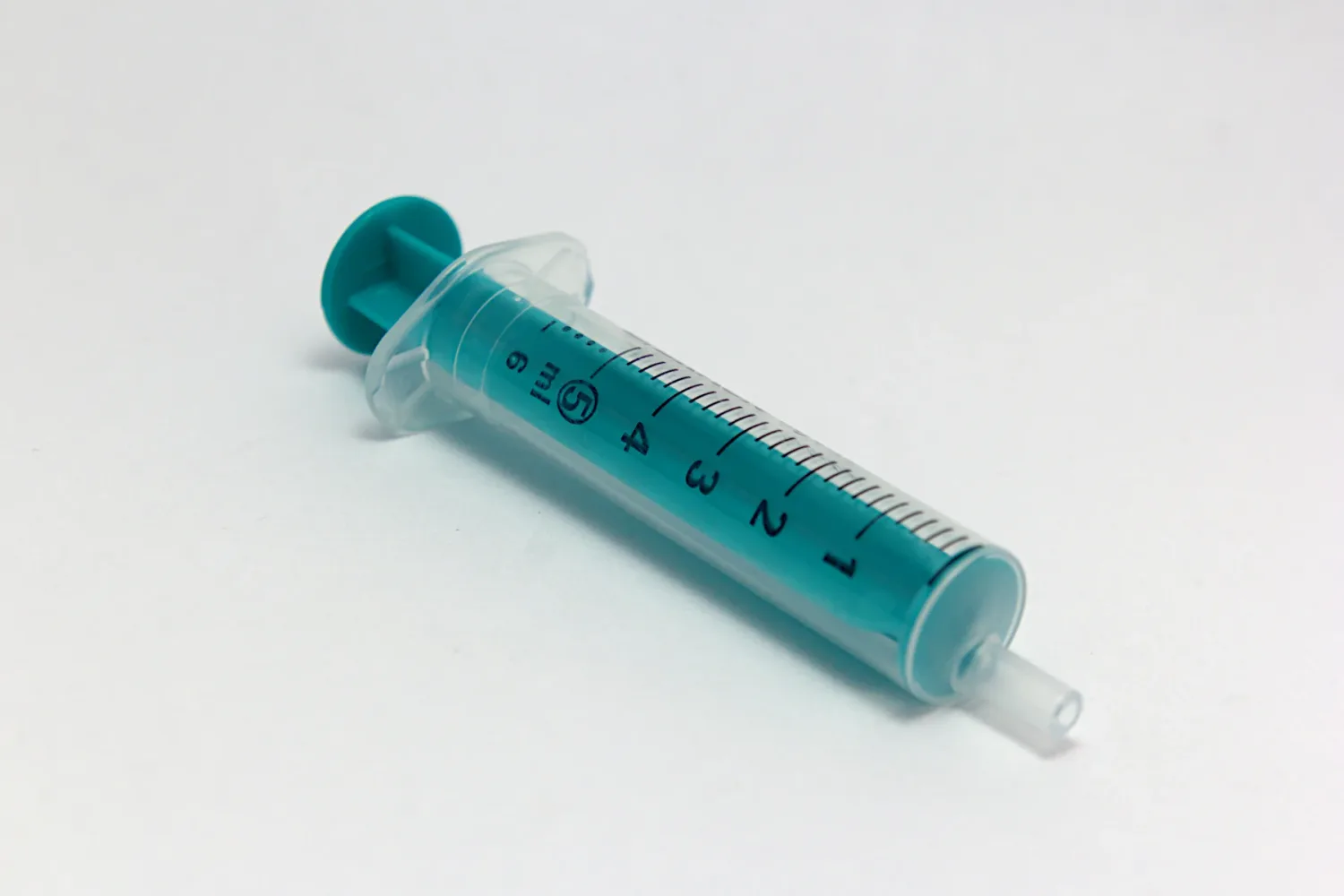
Another leading clinic acknowledged the lack of large clinical trials and limited human evidence but still listed seven peptides with "results duration" and pricing: £350 monthly for one peptide or £450 for two, offered in vials with syringes or pre-loaded pens for an extra fee.
Insights from a Clinic Consultation
During a free consultation with this clinic, a reporter was informed that most peptide research is pre-clinical, with some still highly experimental and lacking randomized multi-center trials on long-term effects. The clinic recommended cycles of two to three months followed by four to eight weeks off to mitigate risks.
Two peptides were suggested for post-exercise recovery and fatigue:
BPC-157: Focus on Repair and Recovery
The clinician highlighted BPC-157 as one of the more commonly used peptides. "It helps in repair and recovery of cells," they explained. "So if somebody comes to us saying I want to get fitter, lift heavier, get bigger muscle, I will still recommend BPC-157, even though it doesn't directly affect any of those things. It's because it helps your recovery after those workouts."
They added that it promotes more blood flow and nutrients to tissues needing repair, aiding quicker recovery from physical activity. However, BPC-157 is not advised for smokers or those with a family history of cancer due to concerns it could increase blood supply to such tissues, potentially fueling cancer growth.
MOTS-C: Mitochondrial and Metabolic Support
MOTS-C was recommended for stress resilience and mitochondrial health. "MOTS-C is something that helps provide more stress resilience and better health to your mitochondria to be able to produce more energy cells," the clinician said. "The direct net effect for you would be reduced insulin resistance, better energy production in the form of ATP, and the net result of that is basically reduce visceral fat."
Precision tracking for your journey
Join thousands using Shotlee to accurately track GLP-1 medications and side effects.
📱 Get the Shotlee App
Track your GLP-1 medications, peptides, and health metrics on the go with our mobile app!
The MHRA is assessing whether these consultation claims qualify as medicinal.
MHRA's Regulatory Position
An MHRA spokesperson stated: "If clinics offering peptide injections make medicinal claims for those treatments, the products will be considered medicines and subject to regulation under the Human Medicines Regulations 2012. The MHRA will take action against clinics which are identified as breaching the legal requirements."
Lynda Scammell, head of borderline products at the MHRA, elaborated: "Peptide products may be sold as cosmetics, supplements and medicines, and depending on their intended purpose, they fall under different regulatory frameworks. The MHRA determines whether a product is a medicine on a case-by-case basis."
The definition of a medicinal product is broad: "Any substance or combination of substances presented as having properties of preventing or treating disease in human beings." Disease encompasses "any injury, ailment or adverse condition, whether of body or mind." It also includes substances used "with a view to restoring, correcting or modifying a physiological function by exerting a pharmacological, immunological or metabolic action, or making a medical diagnosis."
Crucially, claims of "research purposes" are disregarded if promotional material indicates human use, prompting regulatory action.
Clinic Defenses and Broader Context
The clinics maintain transparency. One stated it "clearly explained that the peptides discussed are not licensed medicines, and that the current evidence base is largely pre-clinical, with an absence of large-scale randomised controlled trials assessing long-term outcomes." Consultations promote "shared decision-making," providing balanced info on mechanisms, benefits, and uncertainties.
They note many access peptides via unregulated online channels without oversight, emphasizing their clinical supervision, quality assurance, and safety screening.
Why This Investigation Matters for Patients
Experimental peptides carry unknowns due to limited human data. While some show promise in preclinical studies for tissue repair, immune support, or metabolic function, long-term effects, dosing safety, and interactions remain unproven. Patients considering peptides should prioritize MHRA-approved options like GLP-1 agonists (semaglutide, tirzepatide) for evidence-based metabolic health benefits.
Practical Guidance:
- Consult your doctor before any peptide therapy; discuss family history and risks like cancer concerns with BPC-157.
- Avoid clinics making direct health claims—opt for regulated prescriptions.
- Track symptoms or side effects with apps like Shotlee if exploring any therapy under medical supervision.
- Compare to approved drugs: Semaglutide and tirzepatide offer proven cardiovascular and weight loss benefits with established safety profiles.
Key Takeaways
- MHRA is investigating UK peptide clinics for unlawful medicinal claims on unregulated therapies.
- Peptides like BPC-157 (tissue repair) and MOTS-C (mitochondrial energy) lack robust human evidence.
- Clinics charge £350-£450/month but admit pre-clinical status and recommend cycling.
- Regulatory action targets claims implying disease treatment or physiological modification.
- Stick to approved peptide meds for safety; unregulated use poses risks.
Conclusion: Navigating Peptides Safely
This MHRA investigation underscores the need for caution in the peptide market. While innovation drives interest in metabolic health and recovery, patient safety demands evidence and regulation. Discuss options with healthcare providers, verify approvals, and prioritize proven therapies to make informed choices.