
Is Ozempic Behind Charles Barkley's Weight Loss? Slim Look Stuns in March Madness 2026
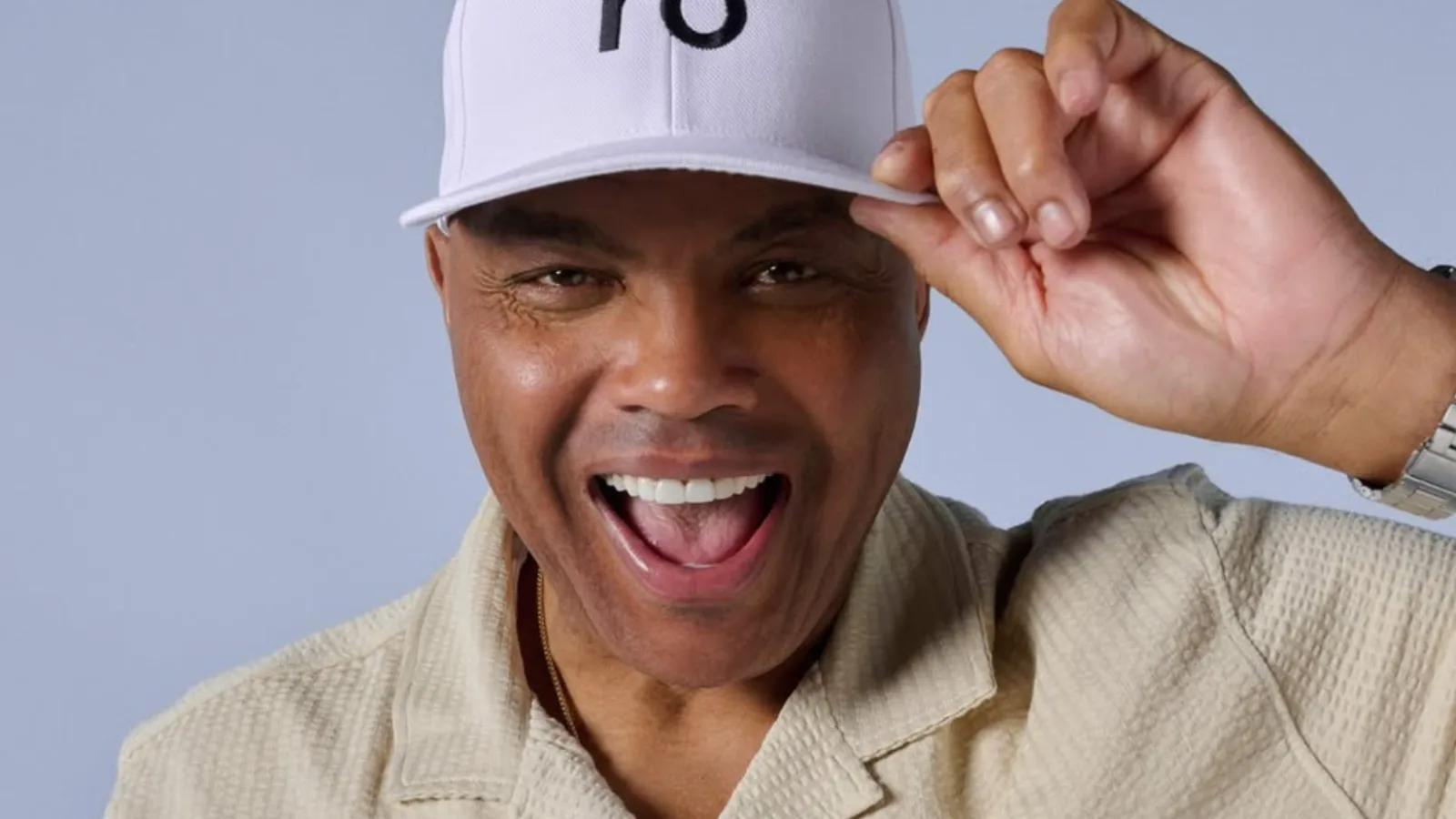
Charles Barkley's weight loss has become the talk of March Madness 2026, with fans quick to speculate if Ozempic is behind his slimmer look. Sitting courtside on TNT and CBS, the Hall of Famer appeared visibly transformed—suits hanging looser, face sharper, energy lighter. Social media lit up within minutes of his first appearances, zeroing in on the change and repeatedly asking: Is Ozempic behind Charles Barkley's weight loss?
Charles Barkley's NBA Legacy and Public Persona
A former NBA MVP, Barkley built his legacy with the Philadelphia 76ers, Phoenix Suns, and Houston Rockets before retiring in 2000. Known for his physical style and outspoken personality, he was inducted into the Hall of Fame in 2006. Today, as a longtime analyst on Inside the NBA, his blunt, often funny takes have made him just as famous off the court.
Weight has long been part of Barkley's story. Early in his career, Moses Malone famously called him 'fat and lazy,' motivating a transformation that reshaped his playing days. Decades later, at age 63, post-retirement injuries and hip replacement surgery pushed his weight to around 350 pounds at its heaviest.
The Dramatic Transformation During March Madness 2026
Barkley's current look didn't happen overnight. By early 2026, he's down to roughly 270 pounds, with a goal of 265 in sight—a drop of nearly 90 pounds over the past few years. Clips from the tournament show him joking with co-hosts, adjusting oversized jackets, and moving more comfortably on set. Every broadcast offers a side-by-side comparison with the Barkley fans have known for years.
This real-time visibility during March Madness 2026, watched by millions, has amplified the conversation. Fans have picked up on it instantly, fueling speculation even as Barkley remains candid about his process.
The Medications in Barkley's Weight Loss Journey: Not Ozempic, But Close Cousins
While Ozempic speculation runs high, Barkley hasn't used it. He first began losing weight in 2023 using Mounjaro, a diabetes drug often grouped into the same category as Ozempic. After supply issues disrupted progress, he switched to Zepbound through a partnership with telehealth company Ro.
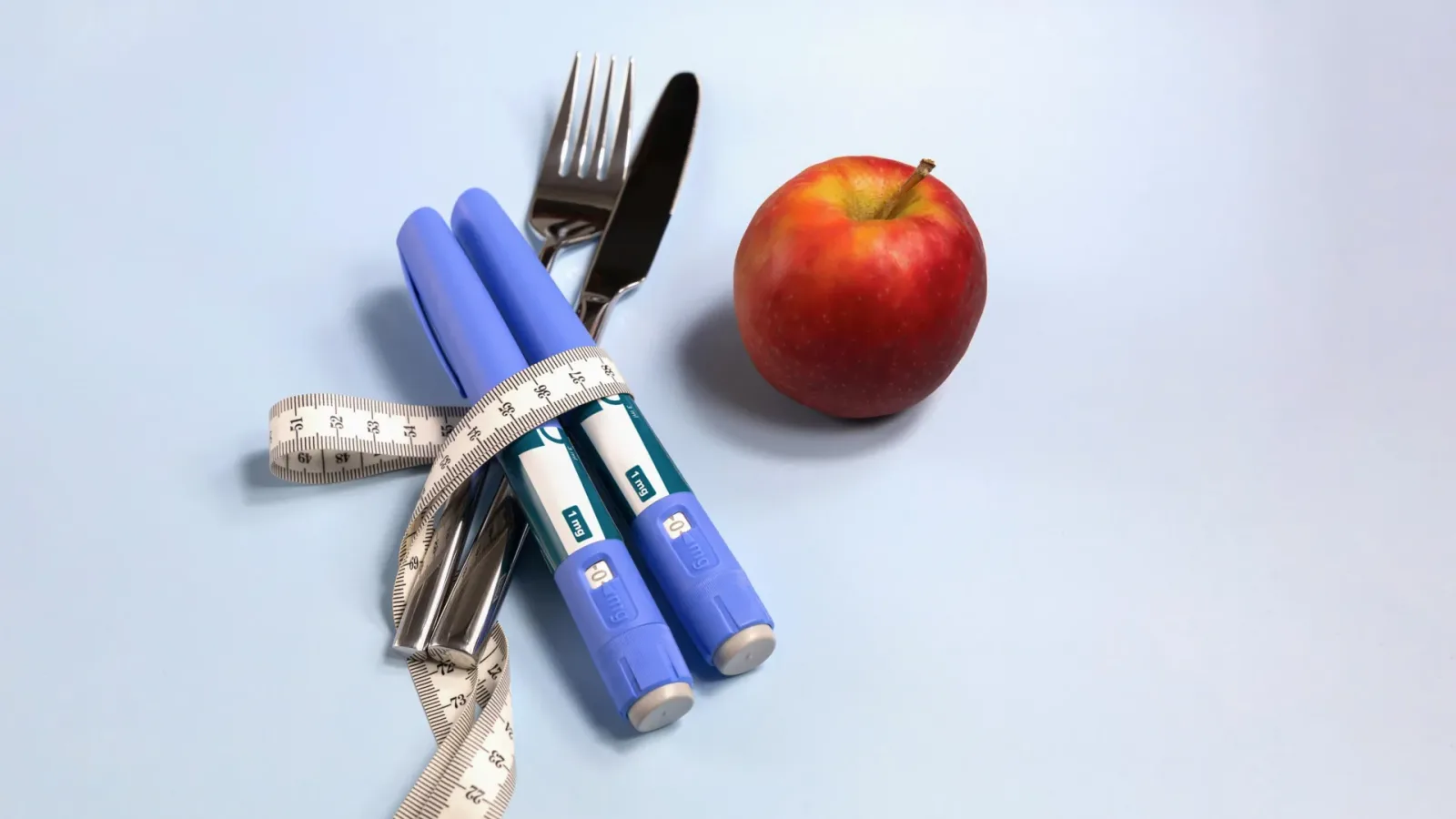
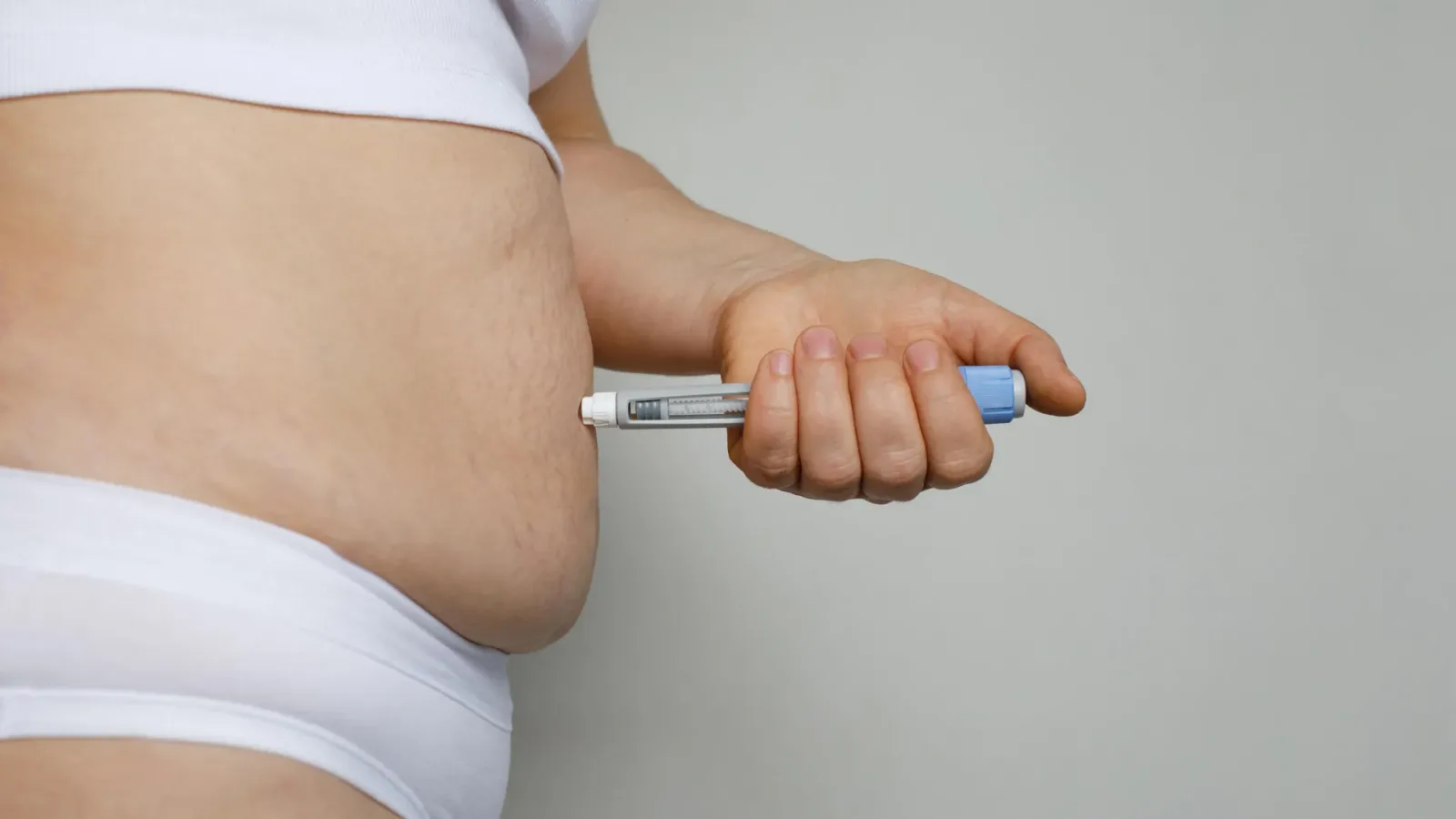
Both Mounjaro and Zepbound belong to the GLP-1 (glucagon-like peptide-1) receptor agonist class. These medications mimic the GLP-1 hormone, which regulates blood sugar, slows gastric emptying, and signals fullness to the brain, reducing appetite and calorie intake. Originally developed for type 2 diabetes, GLP-1 drugs like semaglutide (Ozempic/Wegovy), tirzepatide (Mounjaro/Zepbound), and others have gained fame for significant weight loss—often 15-20% of body weight in clinical trials.
How GLP-1 Drugs Work for Weight Loss
GLP-1 agonists target multiple pathways: they enhance insulin secretion, suppress glucagon, and promote satiety. For patients like Barkley, starting at over 300 pounds, this mechanism supports sustainable loss when paired with lifestyle changes. Tirzepatide in Mounjaro and Zepbound adds GIP (glucose-dependent insulinotropic polypeptide) activity, potentially boosting weight loss efficacy compared to pure GLP-1s like Ozempic.
Precision tracking for your journey
Join thousands using Shotlee to accurately track GLP-1 medications and side effects.
📱 Get the Shotlee App
Track your GLP-1 medications, peptides, and health metrics on the go with our mobile app!
Why Ozempic Gets Lumped In
Ozempic (semaglutide) has become shorthand for celebrity weight loss, especially as public figures appear slimmer during awards seasons and live TV. During high-profile events like March Madness, any dramatic change triggers the same speculation. Though Barkley uses Mounjaro and Zepbound, all GLP-1s share similar profiles, leading to the Ozempic label sticking.
Lifestyle Changes: The Full Picture Beyond Medication
Barkley has been unusually open about the process. In a February 2026 interview, he said he wants to stop the medication once he reaches his target and maintain the weight through routine alone. He's clear that injections aren't doing the work by themselves—he's changed how he eats and stays active, mentioning daily workouts and regular golf.
For patients on GLP-1 therapy, combining medication with diet (e.g., higher protein, lower carbs) and exercise (150+ minutes weekly) maximizes results and supports long-term maintenance. Tools like symptom trackers, such as Shotlee, can help monitor side effects, adherence, and progress during this phase.
Safety Considerations and Side Effects of GLP-1 Medications
GLP-1 drugs like Mounjaro, Zepbound, and Ozempic are generally well-tolerated but can cause nausea, vomiting, diarrhea, and constipation, especially during dose escalation. Rare risks include pancreatitis, gallbladder issues, or thyroid tumors (in animal studies). Barkley's experience highlights the importance of medical supervision, particularly for those with obesity-related comorbidities like joint issues post-surgery.
Patients should discuss history with providers; telehealth options like Ro make access easier but require monitoring. Who might benefit? Those with BMI ≥30 or ≥27 with conditions like hypertension, per FDA approvals for weight management.
Comparing Barkley's Path to Common GLP-1 Options
Ozempic vs. Mounjaro vs. Zepbound
- Ozempic (semaglutide): Weekly injection, 0.25-2.4mg doses, approved for diabetes; Wegovy version for weight loss.
- Mounjaro (tirzepatide): Dual GLP-1/GIP, 2.5-15mg weekly, strong weight loss data.
- Zepbound (tirzepatide): Same as Mounjaro but FDA-approved specifically for obesity.
Barkley's switch addressed supply issues, a common challenge with high-demand GLP-1s. All promote similar outcomes but vary in availability and cost.
What This Means for Patients Inspired by Barkley
Barkley's story underscores GLP-1s' role in metabolic health, but success requires commitment. Consult a doctor to assess eligibility, start low doses, and integrate habits. Post-medication maintenance is key—Barkley aims for this at 265 pounds.
Key Takeaways
- Charles Barkley lost nearly 90 pounds, from 350 to 270, using Mounjaro then Zepbound—not Ozempic.
- GLP-1 drugs regulate appetite via hormone mimicry; pair with diet/exercise for best results.
- He's open about planning to stop meds and maintain via routine, including workouts and golf.
- Fans' Ozempic speculation reflects the class's cultural impact on weight loss discussions.
- At 63, his transformation during March Madness 2026 inspires amid ongoing spotlight on these therapies.
Barkley's transformation lands at a moment when weight-loss drugs are under the spotlight. As March Madness 2026 continues, his on-screen presence will keep fueling the conversation about real results from GLP-1 medications and sustainable health changes.