
India's GLP-1 Weight-Loss Drug Market Poised for 5x Growth
The Indian GLP-1 and weight-loss drug market, currently valued at around ₹1,000 crore, is projected to surge to ₹5,000 crore by 2030, according to a detailed report by CareEdge Ratings. This remarkable 5x expansion highlights the rising demand for glucagon-like peptide-1 (GLP-1) receptor agonists, medications primarily used for type 2 diabetes management and obesity treatment. GLP-1 drugs like Semaglutide work by mimicking the GLP-1 hormone, which regulates blood sugar levels, slows gastric emptying, and promotes satiety, leading to significant weight loss and improved metabolic health.
These therapies address critical needs in India, where type 2 diabetes affects over 100 million people and obesity rates are climbing. The market's growth trajectory underscores the shift toward accessible metabolic treatments, but it also brings challenges like pricing dynamics and regulatory hurdles.
Semaglutide Patent Expiry: Catalyst for Price Reductions
Novo Nordisk's blockbuster drug Semaglutide saw its patent expire in March this year, paving the way for generic competition. CareEdge anticipates phased price drops: a substantial 50% reduction in FY2027, followed by an additional 10-30% decline in FY28 due to intense competition. This price rationalization will make GLP-1 therapies more affordable, potentially increasing penetration from current low levels to around 1% by 2030.
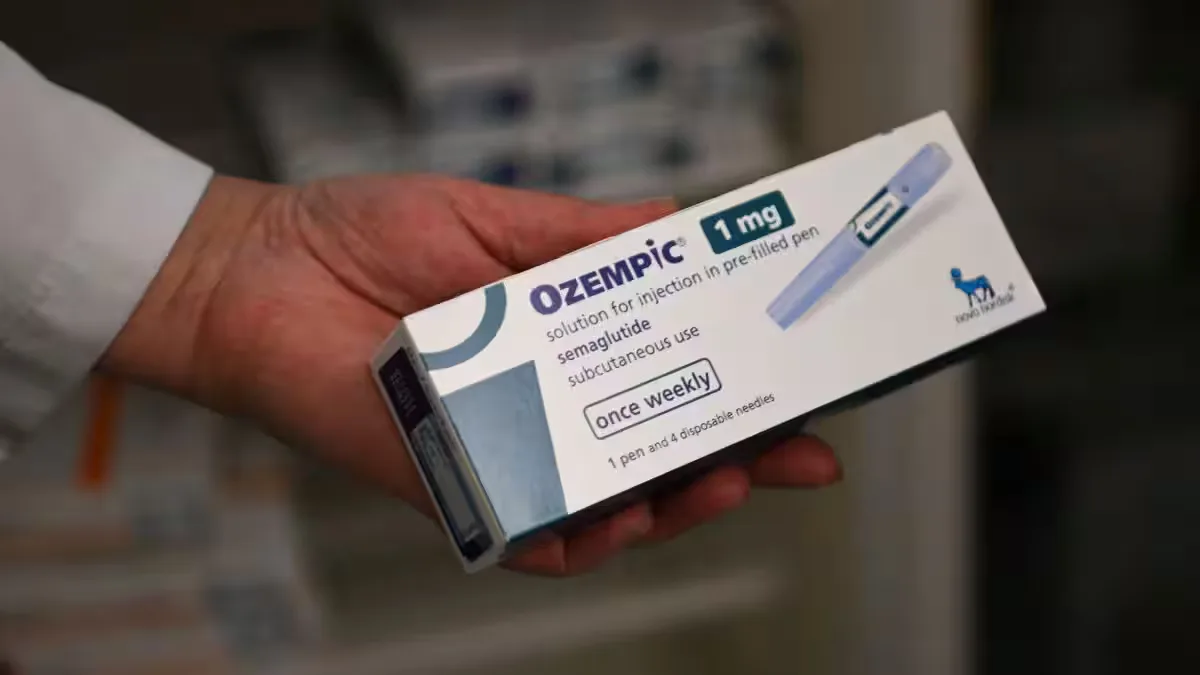
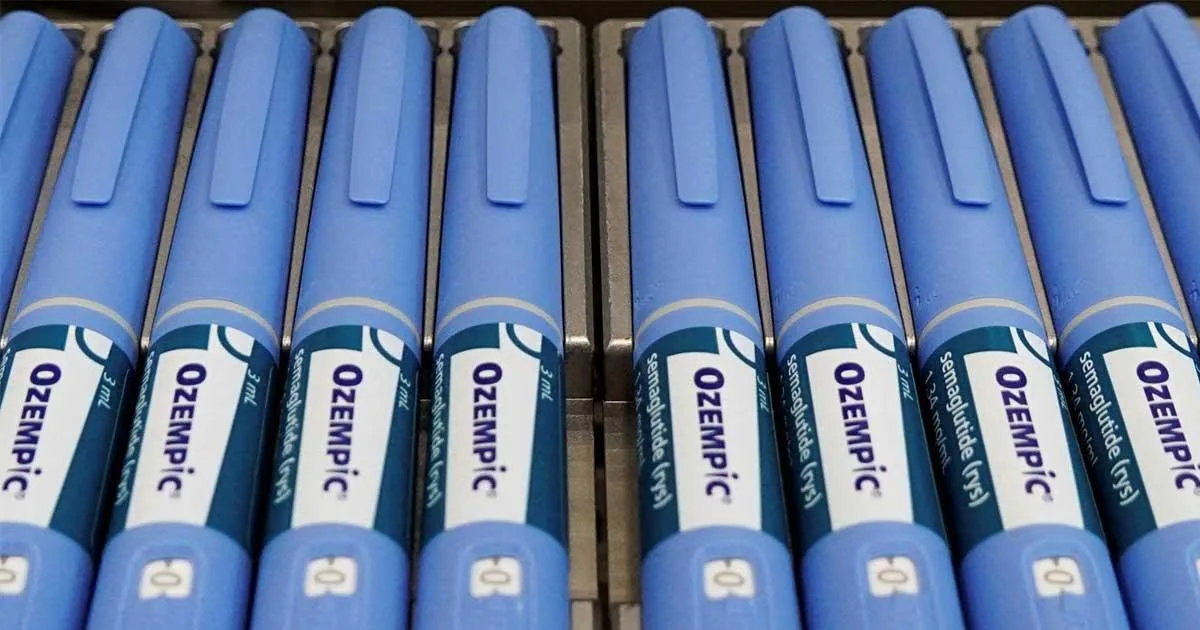
Further supporting lower prices is the recent free trade agreement (FTA) between India and Europe, which is expected to ease import barriers and foster competition in the GLP-1 market. For patients, this means greater access to drugs like Semaglutide (marketed as Ozempic or Wegovy globally), which have shown efficacy in glycemic control and weight reduction through clinical trials.
Mechanism of GLP-1 Drugs and Clinical Relevance
GLP-1 receptor agonists stimulate insulin secretion in response to meals, suppress glucagon release, and delay digestion. In type 2 diabetes, they reduce HbA1c levels by 1-2% and promote 5-15% body weight loss, depending on dosage and patient factors. For obesity, weekly injections like Semaglutide have demonstrated cardiovascular benefits in studies like SELECT, making them a cornerstone of metabolic health management.
Demand Breakdown: 60-70% from Type 2 Diabetes
From a therapeutic standpoint, nearly 60-70% of demand for GLP-1 drugs is estimated to be driven by type 2 diabetes treatment, with the balance attributable to weight loss applications. Supported by increased marketing efforts, price rationalization, and a growing patient pool, drug penetration is expected to rise to around 1% by 2030, per the CareEdge report.
Sales of these drugs have grown exponentially, increasing over 10x between CY20 and CY25. However, demand has consistently outstripped supply due to challenges in rapidly scaling production capacity. This scarcity has delayed innovator companies' entry into India, as they prioritized developed markets with premium pricing.
Challenges for Generic Manufacturers
While growth prospects are substantial, generics players face significant hurdles, including probable patent litigations, complex manufacturing processes and expansion, lack of long-term empirical data to assuage safety concerns, and intensifying competition.
The initial wave of generic GLP-1 launches in India is expected to be led by the top 5-6 companies entering the market in March 26. Intense competition and aggressive price cuts by innovator companies are likely to squeeze margins for generic players. Furthermore, innovator-led patent protection measures and entry barriers due to complex manufacturing processes remain key challenges that generic manufacturers need to navigate carefully.
Precision tracking for your journey
Join thousands using Shotlee to accurately track GLP-1 medications and side effects.
📱 Get the Shotlee App
Track your GLP-1 medications, peptides, and health metrics on the go with our mobile app!
Manufacturing GLP-1 drugs requires advanced peptide synthesis and sterile injection formulation, which demands substantial investment. Additionally, establishing bioequivalence through rigorous trials adds time and cost.
Key Players: Approved Generics and Pipeline
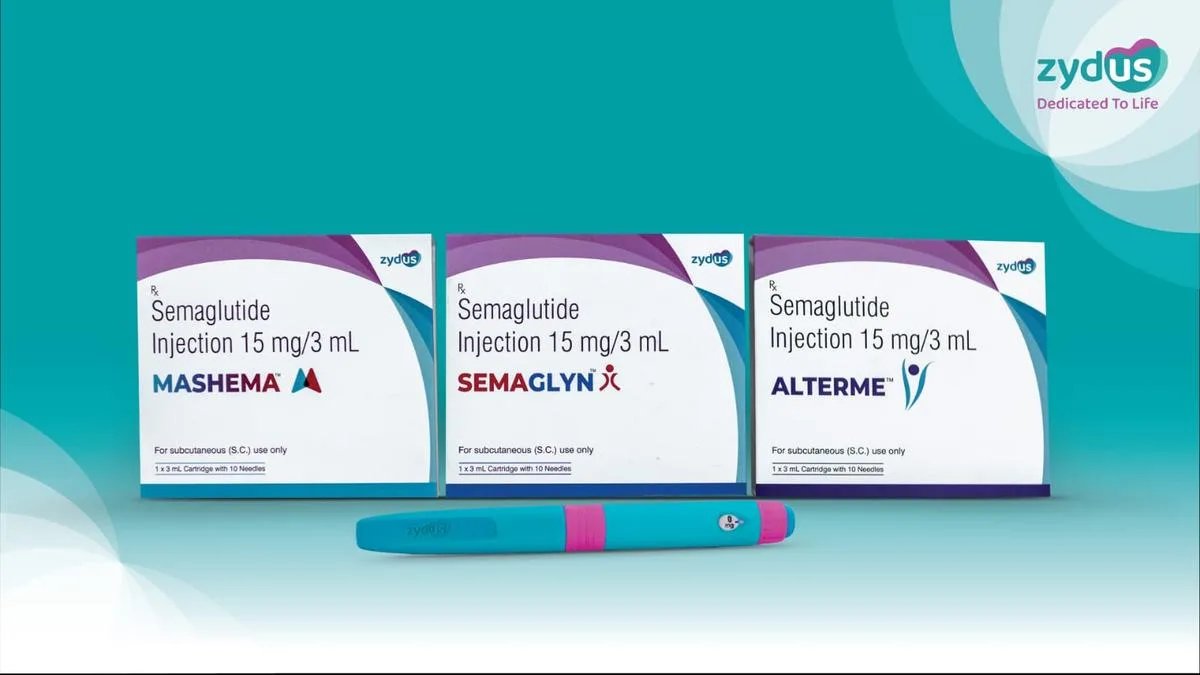
Seven domestic drugmakers have already secured approved generic versions ready for launch post-patent expiry: Sun Pharma, Dr Reddy's Labs, Zydus Lifesciences, Natco Pharma, and Alkem Laboratories. Nine more companies, including Cipla, Lupin, Biocon, and Intas, have products in the pipeline.
This influx of generics will diversify options, but patients should prioritize approved indications—type 2 diabetes and obesity—over off-label uses.
Safety Concerns and Off-Label Use
Despite their popularity, GLP-1 drugs carry safety considerations. Approved for obesity and type 2 diabetes, they are sometimes prescribed off-label for cosmetic weight management, which falls outside approved indications and raises concerns about clinical appropriateness and long-term safety. Common side effects include nausea, gastrointestinal issues, and potential risks like pancreatitis or thyroid tumors observed in animal studies.
Patients monitoring symptoms can benefit from digital tools like Shotlee to track side effects, dosages, and metabolic progress alongside doctor consultations. Long-term data is evolving, emphasizing the need for supervised use.
Patient Guidance: Who Should Consider GLP-1 Therapy?
Ideal candidates include adults with type 2 diabetes not controlled by metformin or lifestyle changes, or those with BMI ≥30 (or ≥27 with comorbidities). Discuss with your endocrinologist: review medical history, start at low doses (e.g., Semaglutide 0.25mg weekly), and monitor for side effects. Compared to alternatives like SGLT2 inhibitors or older weight-loss drugs, GLP-1s offer superior weight loss but require injections.
Insurance coverage in India varies; post-generic entry, out-of-pocket costs should drop significantly.
Key Takeaways
- India's GLP-1 market to grow from ₹1,000 crore to ₹5,000 crore by 2030.
- Semaglutide patent expiry triggers 50% price drop in FY2027.
- 60-70% demand from type 2 diabetes; penetration to 1% by 2030.
- Generics from Sun Pharma, Dr Reddy's, and others face litigation and manufacturing challenges.
- Prioritize approved uses; monitor safety closely.
Conclusion: A Transformative Era for Metabolic Health in India
The CareEdge report signals a pivotal moment for India's GLP-1 weight-loss drug market, with patent expiry and generics set to democratize access. Patients stand to gain from affordable, effective treatments for diabetes and obesity, but success hinges on navigating safety, competition, and supply issues. Consult healthcare providers for personalized advice and stay informed on evolving options.