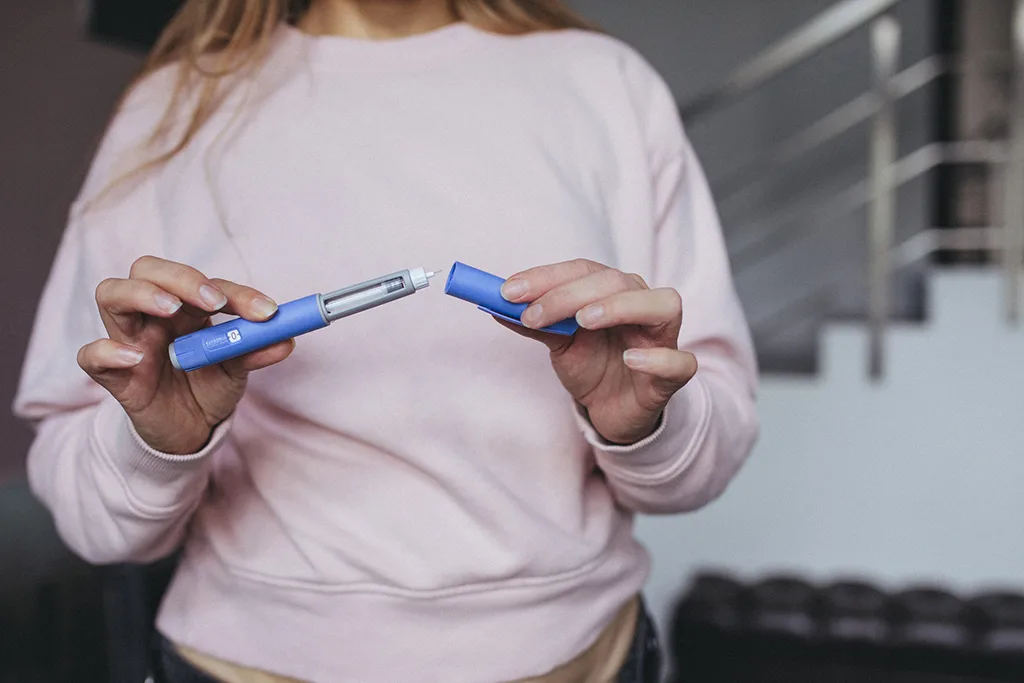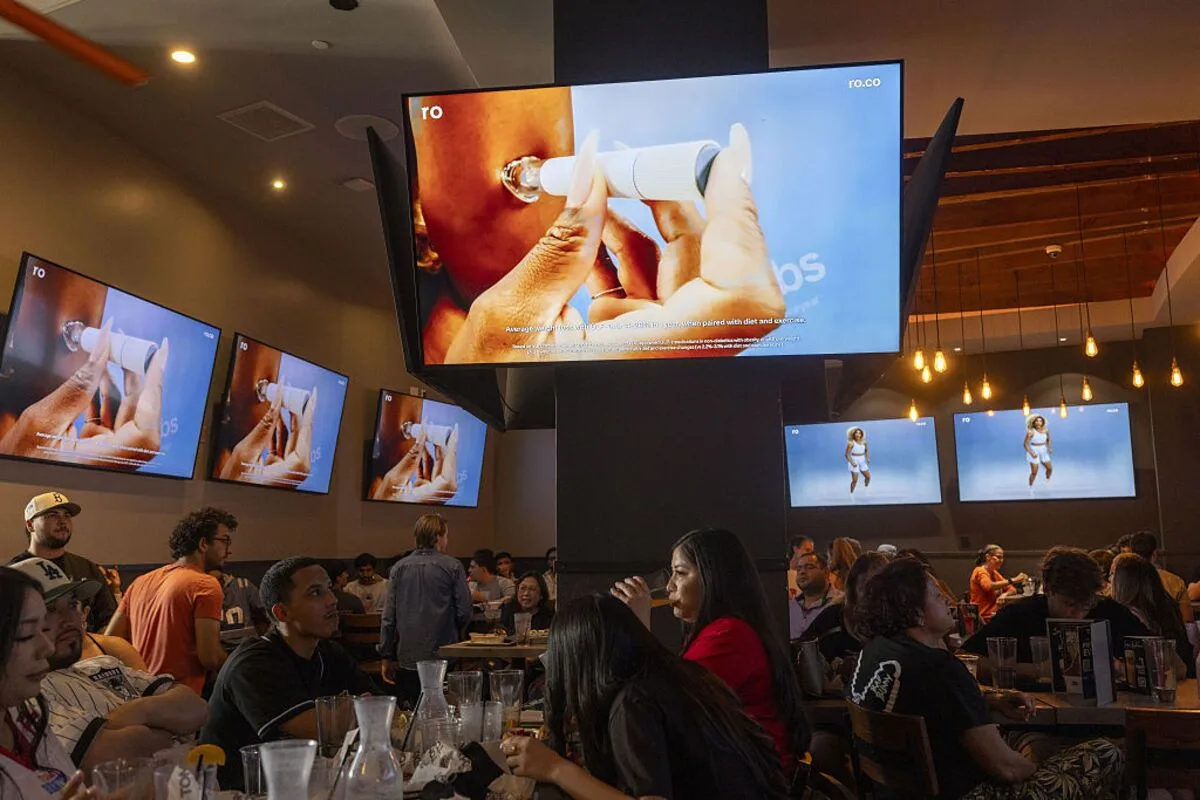

In the rapidly evolving landscape of GLP-1 medications like Ozempic and Wegovy, a key challenge for users is addressing nutrition gaps during rapid weight loss. The Institute of Food Technologists (IFT) is at the forefront, providing insights on GLP-1 formulation strategies for functional foods and beverages. These products incorporate fibers, bioactives, proteins, and micronutrients to sustain satiety, preserve muscle mass, and support long-term metabolic health.
The Rise of the 'Appetite Economy' and GLP-1 Nutrition Needs
GLP-1 medications, such as semaglutide, mimic the glucagon-like peptide-1 hormone to suppress appetite, promote fat loss, and improve blood sugar control. While effective for weight management and metabolic health, they often lead to reduced calorie intake, raising concerns about nutrient deficiencies, muscle loss, and digestive discomfort. Major brands are responding with targeted functional foods and beverages designed specifically for GLP-1 users.
The Institute of Food Technologists (IFT) highlights that this 'appetite economy' is reshaping product development. Brands must anticipate market shifts, boost appeal, and ensure regulatory compliance. Nutrition Insight spoke with Renee Leber, food scientist and technical services manager at IFT, who emphasizes practical strategies for tailoring nutrition to these consumers.
IFT's CoDeveloper AI Platform: Uncovering Formulation Trends
IFT has launched CoDeveloper, an AI platform that aids product formulation with scientifically backed resources. "CoDeveloper was used to see what ingredients are showing up in foods designed for consumers using GLP-1s beyond just additional protein," says Leber.
The analysis reveals a strong emphasis on fibers that enhance fullness and digestion. Plant-based options like allulose—a low-calorie sugar alternative—and fenugreek are gaining traction for their potential to support healthy appetite and metabolism levels. Products also frequently feature vitamins and minerals, including B vitamins, magnesium, and vitamin D, to make smaller portions nutritionally dense.
Additionally, there's rising interest in gut health supporters like prebiotics and postbiotics. These reflect how digestion influences satiety and satisfaction. Protein and fiber-rich dairy, such as certain yogurts, complements GLP-1's appetite-suppressing effects by promoting prolonged fullness.
Why These Ingredients Matter for GLP-1 Users
Fibers like soluble prebiotics slow gastric emptying, aligning with GLP-1's mechanism to extend feelings of fullness. Proteins help counteract sarcopenia (muscle loss) common in rapid weight reduction. Micronutrients such as vitamin D and magnesium support bone health and energy metabolism, which can be strained during calorie restriction. Fenugreek and allulose provide blood sugar stability without excess calories, making them ideal for metabolic health.
Spotlight: Danone’s Oikos Fusion for GLP-1 Support
Danone, an IFT collaborating partner, recently unveiled Oikos Fusion high-protein yogurt at a co-branded webinar. Marketed as the first cultured dairy drink for GLP-1 users' nutritional needs, it combines elevated protein with prebiotic fiber.
“Products like Oikos Fusion, which combine increased protein with prebiotic fiber, reflect an interest in formulations that support digestive health and help smaller portions feel more satisfying,” says Leber.
“Research increasingly emphasizes the value of delivering essential nutrition in compact formats, particularly key vitamins and minerals, that support muscle, bone, and metabolic health. By pairing higher protein with prebiotic fiber and added vitamins, products like Oikos Fusion align with current research priorities focused on helping GLP-1 users meet nutritional needs, support digestive comfort, and maintain metabolic health.”
Precision tracking for your journey
Join thousands using Shotlee to accurately track GLP-1 medications and side effects.
📱 Get the Shotlee App
Track your GLP-1 medications, peptides, and health metrics on the go with our mobile app!
This product exemplifies how dairy can bridge gaps: its cultured base aids probiotics naturally, while the fiber-protein duo enhances GLP-1 therapy outcomes.
Emerging Innovations in GLP-1 Functional Foods
Lasso's Fiber-Woven Snacks
Food-tech company Lasso launched Froobies and CronchClub snacks using its proprietary “Spintech” system. This technology weaves fiber and protein directly into crisps, eliminating artificial additives, binders, or excess sugar. These snacks offer a convenient, nutrient-dense option for GLP-1 users seeking satiety without compromising taste or texture.
Maeva's Customizable Supplements
Subscription brand Maeva introduced a “first of its kind” customizable line for GLP-1 users. Featuring probiotics, peptides, enzymes, and botanicals, it targets issues like digestive woes and nutrient shortfalls during rapid weight loss.
IFT's Role in Convening the Food Science Community
As a member association, IFT connects stakeholders across food science. “Rather than developing or promoting specific ingredients, IFT focuses on convening the community around the newest science, shared learning, and practical resources,” explains Leber.
In response to GLP-1 interest, IFT has hosted panel webinars, podcasts, and articles exploring formulation trends. These resources help developers create compliant, effective products.
Practical Guidance for GLP-1 Users and Healthcare Providers
For patients on GLP-1 therapy, incorporating these functional foods can mitigate risks like malnutrition or GI side effects. Discuss with your doctor or dietitian about adding high-protein yogurts like Oikos Fusion or fiber-rich snacks. Prioritize products with prebiotics for gut comfort and micronutrients for overall wellness.
Track intake to ensure balance—apps like Shotlee can help monitor symptoms, side effects, and nutrition schedules alongside your medication. Compare options: While supplements like Maeva's offer customization, whole foods like Lasso snacks provide satisfaction without pills.
Safety note: These foods are generally well-tolerated but consult professionals if you have allergies or conditions like IBS. They complement, not replace, medical advice.
Key Takeaways for GLP-1 Nutrition
- Fibers and proteins are central for satiety and muscle preservation in GLP-1 formulations.
- Micronutrients like B vitamins, magnesium, and vitamin D fortify smaller meals.
- Gut health ingredients (prebiotics, postbiotics) enhance digestive satisfaction.
- Danone’s Oikos Fusion leads with protein-fiber dairy tailored for users.
- Innovations like Lasso and Maeva expand portable, tech-driven options.
- IFT’s CoDeveloper and events provide science-backed guidance.
Conclusion: Bridging Gaps in the GLP-1 Era
IFT's work underscores a proactive shift in functional food development for GLP-1 users. By focusing on satiety, digestion, and nutrient density, brands like Danone, Lasso, and Maeva are closing critical gaps. Patients should explore these alongside professional guidance for optimal metabolic health outcomes. Stay informed via IFT resources to navigate this dynamic space effectively.