I Thought GLP-1 Skincare Was a Gimmick -- I Was Mistaken
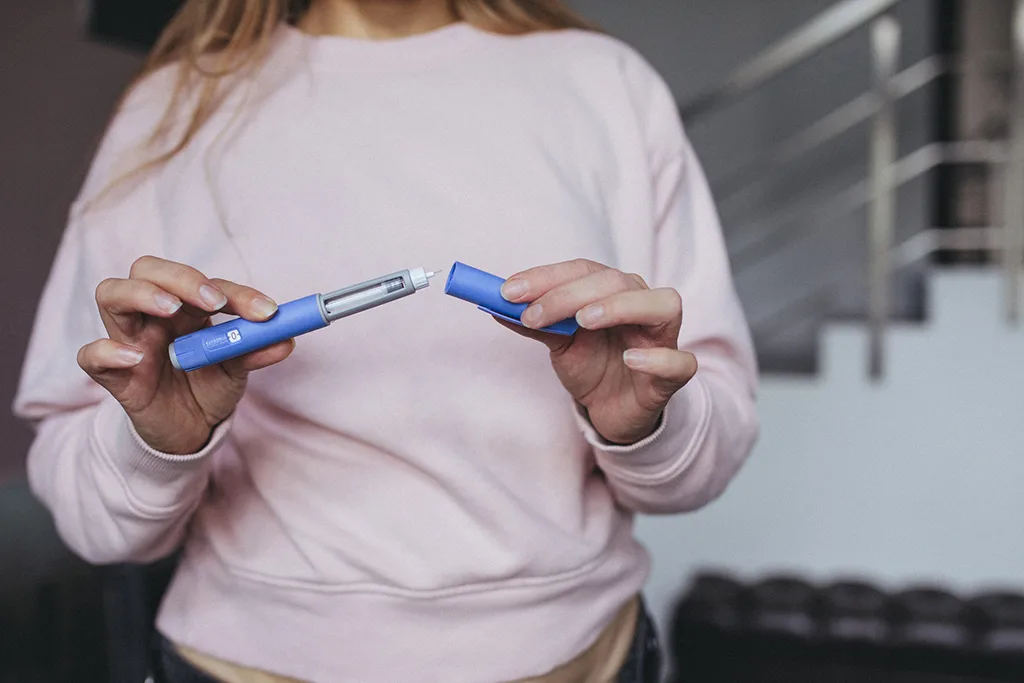
About one in twelve Americans, including myself, have used a GLP-1 drug; I've been on one for six years. Therefore, it's not surprising that almost every industry is rushing to capitalize on this trend. We're seeing "GLP-1 support" supplements, Ozempic menus, and even metabolic-tracking apps and electrolyte packs designed for individuals experiencing slowed digestion.
The beauty sector has not only joined this trend but is also creating a new category. While some discussions have ventured into clickbait territory, there's a genuine need for innovation addressing issues like Ozempic Face, a term describing gauntness and skin laxity associated with significant weight loss. The impact on aesthetics is notable. The American Academy of Plastic Surgery reports a 50 percent increase in fat-grafting procedures, with one in four surgeons anticipating greater demand for non-surgical treatments, such as injectable fillers and skin-tightening procedures, due to GLP-1 medications.
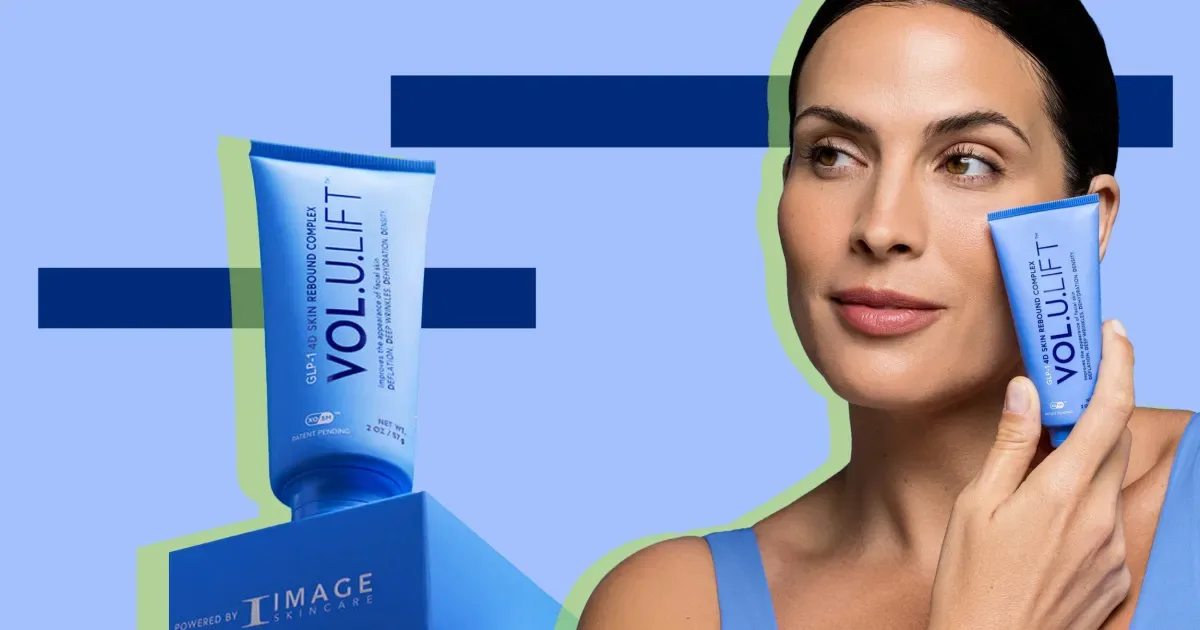
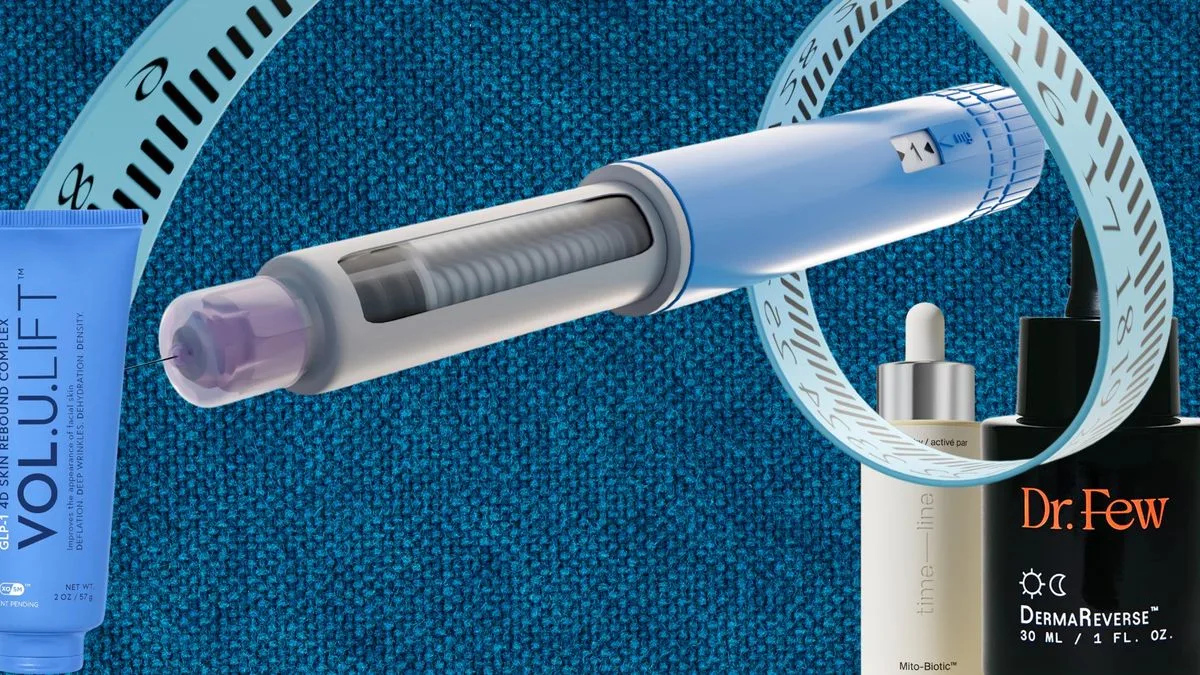
Topical skincare brands like Dr. Few and Vol. U. Lift are pioneering this new area. Initially, I considered them clever marketing ploys capitalizing on a buzzword. However, after investigating the category, consulting experts, and reviewing studies, my perspective has changed. According to board-certified dermatologist Dr. Sabrina Fabi, "There is no hoax in wanting your skin to look and feel its best." These medical-grade brands are intentionally formulated to address evolving needs. In essence, GLP-1 skincare is a response to a real and rapidly growing shift in how skin behaves on these medications, not just a gimmick.
Here's a detailed look at everything you should know about GLP-1 skincare.
Understanding "Ozempic Face"
TikTok might lead you to believe that taking a GLP-1 inevitably results in "Ozempic Face," a broad term referring to a "readily noticeable reduction in facial volume and fullness," according to board-certified dermatologist Dr. Alicia Zalka. However, this isn't always the case. Your skin's response is primarily determined by the percentage of body weight lost, genetics, and facial structure. For some, this can result in a more defined jawline or enhanced cheekbone definition, while others may experience a loss of elasticity, leading to a sagging appearance. Because GLP-1 medications cause weight loss encompassing both fat and muscle, "the skin will lose some of its collagen content," explains board-certified dermatologist Dr. Raja Sivamani. Furthermore, "the faster the weight loss, the more collagen is lost."
While volume loss is the most discussed side effect, other changes, such as dryness and dullness, are also common among GLP-1 users. This is partly due to GLP-1s slowing down the digestive tract, which reduces hydration. While not extensively studied, there appears to be "a series of internal skin factors that are turned off by the GLP-1 drug that cause skin to look duller than usual, more wrinkled, and have more sun-induced pigmentation. Does this always occur? To some extent, yes. People with thinner or older skin will be more likely to show the signs of GLP-1 skin changes," says board-certified dermatologist Dr. Julius Few. He added that those with darker skin tend to be more resistant due to its natural tendency to withstand sun damage.
In my experience, GLP-1s are often blamed for aesthetic side effects that are actually caused by weight loss itself, not the medication. For instance, hair loss is common in anyone experiencing significant weight loss. However, a new study by Galderma, one of the first aesthetics companies to investigate how GLP-1 agonists specifically impact the skin, revealed that GLP-1s do indeed cause a different type of fat loss compared to traditional weight loss.
The Impact on Superficial Fat Pads
The nine-month study indicated that GLP-1-induced weight loss has a greater impact on superficial fat pads, which house our stem cells and are responsible for producing collagen and elastin. Dr. Fabi, who participated in the clinical study, stated, "This leads to the changes seen after a certain degree of weight loss has occurred, such as volume loss in the temples and cheeks and dull, sagging skin."
There's also a hormonal aspect to consider, particularly in perimenopausal or menopausal women, who make up a significant portion of GLP-1 patients. According to Dr. Fabi, fat supports "hormonal homeostasis" by regulating changes in estrogen, testosterone, and progesterone. "If too much fat is lost, it can alter estrogen derivatives that support skin health, which leads to some patients looking less radiant and even appearing older than their age, up to five years older for patients who have undergone massive weight loss," she explains.
While further research is needed, some researchers suggest that GLP-1s may also have beneficial effects on the skin. Because these medications can reduce overall systemic inflammation, they also decrease the presence of advanced glycation end products (AGEs), which are associated with skin yellowing or browning, wrinkling, and sagging. Dr. Zalka explains, "When these AGE's are turned down, so too is the oxidative damage to the skin. Less oxidative damage means skin cells are protected." Think of it like this: AGEs act like reckless drivers, causing minor accidents to other skin cells. The more bad drivers there are, the more cells like elastin and collagen can suffer.
If this appears contradictory to the evidence that superficial fat pad loss reduces collagen and elastin, that's because it is. The reality is that GLP-1s affect the skin in multiple ways, and current research is insufficient for broad generalizations. Health tracking apps like Shotlee can help monitor changes in skin health and overall well-being as you take GLP-1 medications.
Precision tracking for your journey
Join thousands using Shotlee to accurately track GLP-1 medications and side effects.
📱 Get the Shotlee App
Track your GLP-1 medications, peptides, and health metrics on the go with our mobile app!
The Difference in GLP-1 Skincare
Initially, I believed that the emergence of GLP-1 skincare brands was simply clever marketing applied to traditional anti-aging skincare that aims to firm, lift, and boost collagen. While the ingredient profiles are similar, there is a significant difference, GLP-1 skincare has been specifically tested on GLP-1 users. Similar to medical-grade skincare brands like Skinceuticals or SkinBetterScience, companies like Dr. Few and VOLU-LIFT have invested in clinical trials to definitively prove their products' effectiveness.
According to Dr. Sivamani, "Skincare that is formulated specifically for use in a GLP-1 environment has been studied in that specific population that is on GLP medications as opposed to general skincare that is studied in a generally healthy population. It's rare to have a company study the full formulation rather than focus on one or two ingredients." In short, you know what you're getting.
It's obvious that GLP-1 skincare has a clear target demographic: individuals taking GLP-1s. While these products are specifically designed for (and proven to work on) GLP-1 users, they are not exclusive to them. The science supports their efficacy, the ingredients are effective, and the results are proven.
When To Start
A good skincare routine is always beneficial, so it's never too early to begin. However, if you anticipate losing weight on a GLP-1, it's advisable to start your revised skincare routine concurrently with the medication. Dr. Fabi states that "Early intervention can really improve outcomes, especially when maintaining skin quality and minimizing accelerated facial aging." She adds, "New international consensus guidelines supported by Galderma recommend starting a combination of biostimulatory injections, hyaluronic acid fillers, energy-based devices, and topical skincare regimens during the weight loss process to prevent the signs of premature aging."
A multi-faceted approach is most effective. However, it's important to remember that you don't need GLP-1 skincare simply because you're on a GLP-1. A solid skincare regimen that includes clinically-proven ingredients like retinol, hyaluronic acid, and vitamin C will also help combat dullness and sagging skin.
Key Ingredients to Look For
Finding effective GLP-1 skincare involves balance. You want to supplement the skin with ingredients that encourage it to produce more of what the medicine is causing it to lose. Dr. Fabi suggests that "Fat, hyaluronic acid, collagen, and elastin are some of the building blocks of the skin that may be compromised while on GLP-1 agonists, so it's helpful to look for products that can promote hydration, firmness, and texture."
Begin with a cleanser, a treatment serum aimed at promoting collagen or lifting, and a hydrating moisturizer. Remember to include powerful active ingredients, such as retinol or bakuchiol, exfoliating acid, and/or vitamin C, to accelerate skin cell turnover.
Is GLP-1 Skincare Necessary?
The answer is complex. For some, especially younger patients or those losing less weight over a longer period, a solid skincare routine is sufficient to maintain bouncy, healthy, bright, and plump skin. However, for others, particularly those experiencing weight loss exceeding 30 to 50 pounds, skincare is only the beginning. Dr. Fabi explains that "Topical skincare will not address volume loss and structural changes."
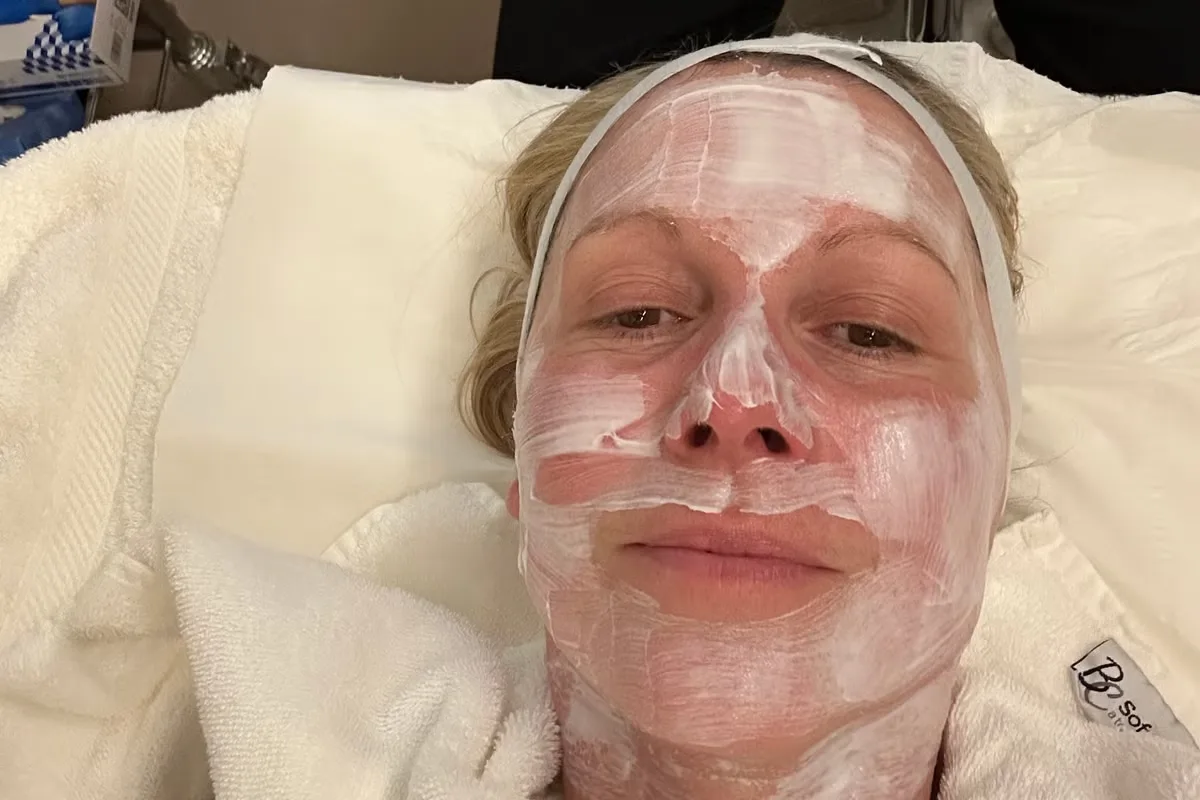
In such cases, sagging, dullness, and accelerated aging (or "Ozempic face") often require enhancement with non-surgical applications. These include ultrasound skin-tightening devices like Ultherapy, Sofwave, and Xerf; collagen-boosting lasers such as Halo or Morpheus 8; and, most notably, biostimulatory fillers. Dr. Fabi advises, "Patients should speak with a licensed aesthetic provider and consider incorporating SCULPT & LIFT (a combination of Sculptra and Restylane Lyft or Restylane Contour) to help regenerate your skin's own collagen and elastin to improve glow, contour, and structure." Surgical interventions, such as a facelift or necklift, may also be the best option. Always consult with your board-certified dermatologist or plastic surgeon for the optimal plan of action.
Ultimately, GLP-1 skincare isn't a solution in search of a problem. The problem exists, and the products are finally catching up.