In the competitive world of GLP-1 medications and obesity treatments, Novo Nordisk's stock performance has been a rollercoaster. This week, the Danish drugmaker's shares plunged 21%, on track for their steepest weekly slump since August. This drop surpasses an earlier 20% decline triggered by a dire sales forecast, effectively wiping out the last of the yearslong surge fueled by the 2021 US approval of Wegovy, its blockbuster obesity drug.
The Rise and Fall of Novo Nordisk's Wegovy-Fueled Momentum
Novo Nordisk A/S rode a wave of optimism in the booming obesity-drug market over the past five years. The stock achieved roughly fivefold gains, driven by Wegovy (semaglutide), a GLP-1 receptor agonist that mimics the hormone GLP-1 to regulate blood sugar, slow gastric emptying, and reduce appetite. This mechanism has made it a cornerstone for metabolic health management, helping patients achieve significant weight loss alongside improvements in cardiovascular risk factors.
However, less than two years have unraveled those gains. Chief Executive Officer Mike Doustdar now faces mounting calls to diversify beyond diabetes and obesity franchises, which have defined the company for three decades. The recent setback highlights vulnerabilities in relying heavily on GLP-1 therapies amid intensifying competition.
Understanding Wegovy's Mechanism in Obesity and Metabolic Health
Wegovy works by activating GLP-1 receptors in the brain and gut, promoting satiety and reducing caloric intake. Clinical trials have shown average weight reductions of 15-20% over 68 weeks, positioning it as a game-changer for patients with obesity or overweight conditions with comorbidities. For those considering GLP-1 therapy, discussing dosing (starting at 0.25 mg weekly, titrating to 2.4 mg) with a healthcare provider is essential to manage side effects like nausea or gastrointestinal discomfort.
CagriSema Trial Results: A Blow to Next-Generation Hopes
The catalyst for this week's turmoil was disappointing data from Novo's next-generation obesity shot, CagriSema. This investigational dual-agonist combines cagrilintide (an amylin analog) with semaglutide, aiming for superior weight loss by targeting multiple hunger-regulating pathways. In the trial, CagriSema delivered 20.2% weight loss—impressive but falling short of expectations and the 23.6% achieved by Eli Lilly & Co.'s next-generation candidate tirzepatide, a GLP-1/GIP dual agonist.
CEO Doustdar highlighted the result during an investor call, countering an analyst's claim that CagriSema "looks somewhat obsolete." Yet, for bullish analysts, this was the last straw: five downgraded the stock. Deutsche Bank AG's Emmanuel Papadakis cut his rating to hold, stating the results "blow a sizable hole in the investment case for the drug." JPMorgan Chase & Co.'s Richard Vosser also moved to neutral, warning that developments would curb commercial potential.
Comparing CagriSema to Tirzepatide: Efficacy and Dosing Insights
Tirzepatide, marketed as Mounjaro for diabetes and Zepbound for obesity, leverages dual GLP-1/GIP action for enhanced insulin secretion and weight loss. Head-to-head context shows tirzepatide's edge, with phase 3 trials like SURMOUNT demonstrating up to 22.5% reductions at higher doses. For patients, this underscores the importance of personalized therapy—tirzepatide offers weekly dosing up to 15 mg, while CagriSema's profile remains under scrutiny. Tools like Shotlee can help track symptoms and adherence during titration.
Wegovy Pill Launch: A Bright Spot Amid the Storm
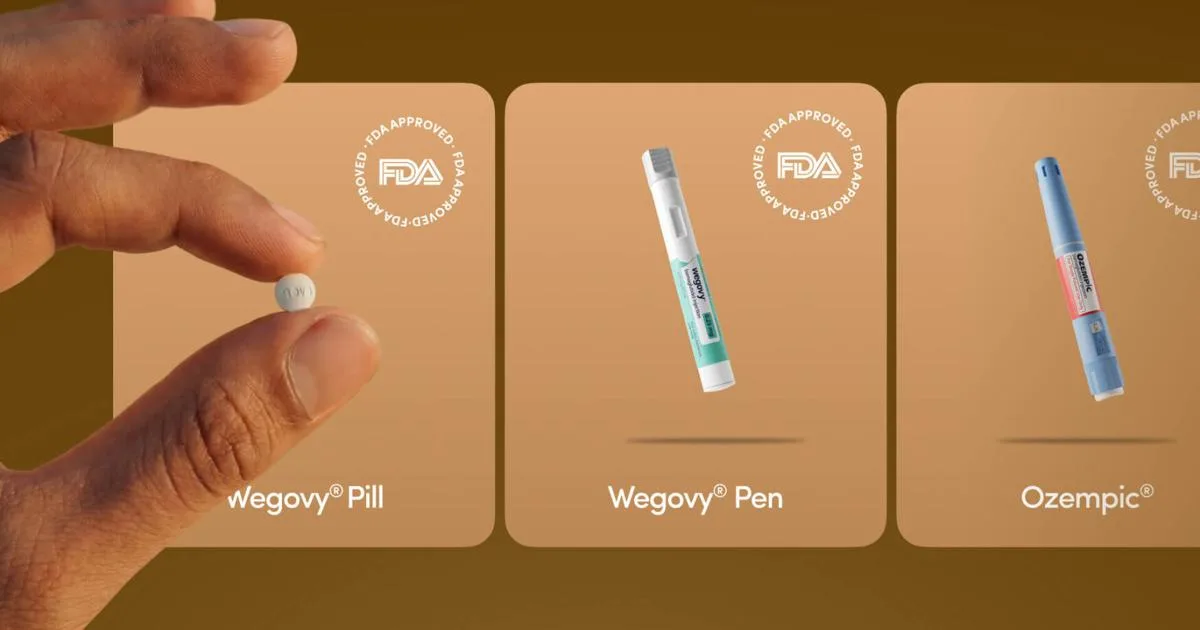
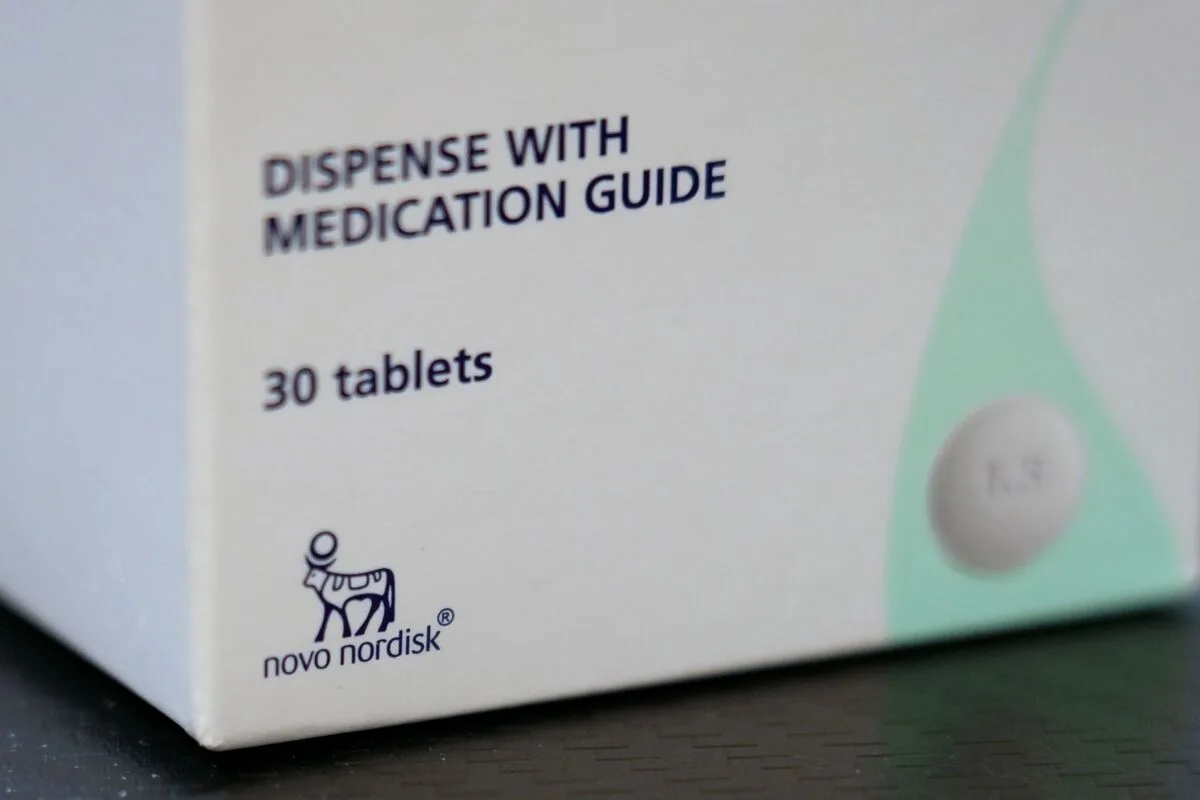
Following this week's update, the whole thesis for Novo now hinges on Wegovy pills, per Intron Health analyst Naresh Chouhan. Last month's launch marked one of the most successful pharmaceutical debuts ever, with over 240,000 Americans already taking the oral semaglutide (rybelsus-like but optimized for obesity). Doustdar called the uptake "excellent," but Chouhan warns: "If there is any sign of a material slowdown... we expect the shares to further de-rate."
Precision tracking for your journey
Join thousands using Shotlee to accurately track GLP-1 medications and side effects.
📱 Get the Shotlee App
Track your GLP-1 medications, peptides, and health metrics on the go with our mobile app!
Oral GLP-1s eliminate injection barriers, improving patient compliance in metabolic health regimens. Early data suggests similar efficacy to injectables, though gastrointestinal side effects remain common. Patients switching to or starting orals should monitor for absorption issues and pair with lifestyle changes for optimal results.
Competitive Pressures and Patent Cliff Concerns
The trial has intensified doubts about Novo's edge in the obesity race. Rivals are advancing less-frequent dosing drugs and higher-efficacy treatments. HSBC Holdings Plc analyst Rajesh Kumar notes that Novo's ability to manage its obesity franchise beyond the 2032 patent cliffs may come under scrutiny: "The issue 'could become another point of debate.'"
With Eli Lilly leading in dual agonists and others like Viking Therapeutics entering with VK2735, the market is shifting. Novo must innovate to protect Wegovy's dominance, potentially through combinations or next-gen peptides.
Safety Profile of Next-Gen Obesity Drugs
Common across GLP-1s like CagriSema and tirzepatide are GI effects (nausea, vomiting, diarrhea), resolving with time. Rare risks include pancreatitis or thyroid tumors in rodents (not confirmed in humans). Patients should report persistent issues to providers; apps like Shotlee aid in logging for better management.
What This Means for Patients and Investors
Patient Guidance: Navigating GLP-1 Options
For those with obesity or type 2 diabetes, Wegovy remains a proven choice despite stock woes. Consult endocrinologists about injectables vs. orals, weighing efficacy, convenience, and cost (often $1,000+/month pre-insurance). Combine with diet/exercise for sustained metabolic health.
Investor Perspective: Diversification Urged
The 21% drop caps a tumultuous era. While CagriSema's 20.2% loss is strong, it trails tirzepatide, pressuring Novo's pipeline.
Key Takeaways
- Novo Nordisk shares down 21%, erasing Wegovy gains post-CagriSema trial.
- CagriSema: 20.2% weight loss vs. tirzepatide's 23.6%.
- Wegovy pill: 240,000+ users in debut month.
- Analysts downgrade; focus shifts to diversification pre-2032 patents.
- Patients: Discuss GLP-1 options with doctors for personalized therapy.
Conclusion: Novo Nordisk's stock tumble reflects challenges in the GLP-1 obesity market, but Wegovy's oral launch and core franchise offer resilience. Patients benefit from advancing options—stay informed and consult professionals for metabolic health strategies.