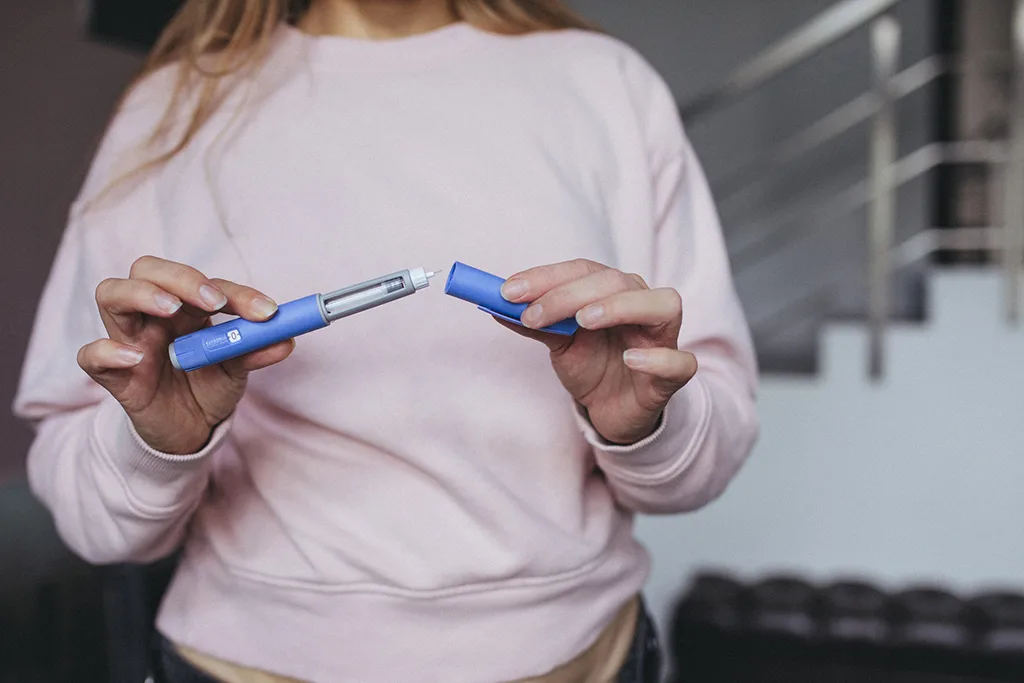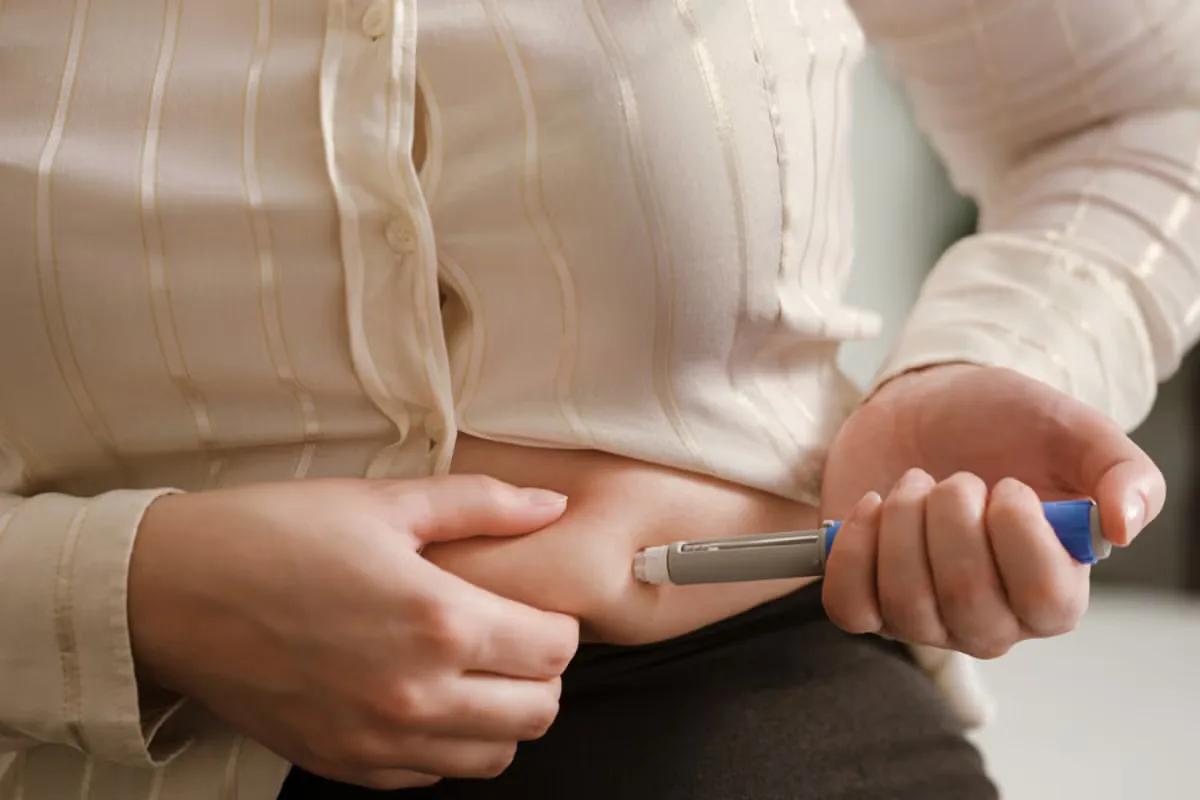

GLP-1 drugs eating disorders have emerged as a concerning trend, with health professionals reporting that medications like Ozempic, Wegovy, and Mounjaro are linked to previously unrecognized disordered eating patterns in some patients. As millions of Americans take these GLP-1 receptor agonists for weight loss or diabetes management, doctors nationwide are observing shifts in patients' relationships with food and body image, potentially fostering a new form of disordered eating.
What Are GLP-1 Medications and How Do They Work?
GLP-1 medications, such as Ozempic (semaglutide), Wegovy (higher-dose semaglutide), and Mounjaro (tirzepatide), mimic the glucagon-like peptide-1 hormone. This hormone is naturally released in the gut after eating, signaling the brain to increase feelings of satiety and suppress appetite. By enhancing these effects, GLP-1 drugs reduce hunger, slow gastric emptying, and promote significant weight loss—often 15-20% of body weight in clinical trials for obesity.
For diabetes patients, they improve blood sugar control by boosting insulin secretion and reducing glucagon. However, for weight loss, doses are two to five times higher than those used for diabetes, as noted by Dr. Rebecca Boswell, Director of Penn Medicine Princeton Center for Eating Disorders. This "massive dose of hormone" impacts not just the gut but the entire body, with profound effects on eating processes.
The Rise of GLP-1-Linked Eating Disorders
Health professionals across the country say they are seeing patients whose relationship with food and body image has taken a dangerous turn since starting these medications. These emerging disorders often do not fit traditional categories such as anorexia, bulimia, or binge eating disorder (BED). GLP-1 medications are not FDA-approved for binge eating disorder or any eating disorder, according to the National Association of Anorexia Nervosa and Associated Disorders (ANAD).
Clinicians report that the powerful appetite-suppressing effects can trigger an intense preoccupation with food and weight loss, driving behaviors that endanger physical and mental health. This has alarmed eating-disorder specialists, who caution that current medical screening and monitoring may not adequately identify patients at risk. Many people prescribed GLP-1 drugs are not evaluated for psychological vulnerabilities that could make appetite suppression dangerous.
"Agonorexia": A New Pattern Identified by Experts
Brad Smith, chief medical officer at The Emily Program, a national organization specializing in eating disorders, has coined the term "agonorexia" to describe this pattern. Last month, he told the New York Post: "We've seen people that were prescribed these medications ... who have run into a slippery slope with it, bringing back their eating disorder symptoms and behaviors."
"We've also seen people who have developed more disordered eating or eating disorders as a result of these medications, even without having an eating disorder in the past."
— Brad Smith, Chief Medical Officer, The Emily Program
Smith emphasized that while similar issues have occurred with other weight-loss drugs like stimulants, GLP-1 medications are "a different animal" with far greater impact. "It's exceeded anything in the past already," he told The Post. "They've certainly had a much higher impact than any of those previous substances."
Mechanisms Behind the Risk: Appetite Suppression and Beyond
Evidence suggests that by increasing satiety and suppressing hunger, GLP-1 drugs may encourage dietary restriction—a known risk factor for disordered eating, especially among those seeking weight-loss treatments. Weight stigma exacerbates this, as individuals with higher body weight are more likely to receive these recommendations, potentially reinforcing harmful thoughts around food.
Experts note that stopping the medications does not always immediately reverse unhealthy eating patterns once they develop. Recovery from eating disorders typically relies on consistent eating patterns, body acceptance, addressing weight stigma, tuning into hunger and fullness cues, and food flexibility. However, GLP-1 drugs disrupt these cues, and their impact on recovery strategies is not well understood.
Precision tracking for your journey
Join thousands using Shotlee to accurately track GLP-1 medications and side effects.
📱 Get the Shotlee App
Track your GLP-1 medications, peptides, and health metrics on the go with our mobile app!
GLP-1 Drugs and Diabetes: Intersecting Vulnerabilities
Eating disorders are relatively common among people with diabetes. Between 12 percent and 40 percent of those with type 2 diabetes, and even higher rates in type 1, experience disordered eating, according to Australia's National Eating Disorders Collaboration. For these patients, GLP-1 medications may intersect with preexisting vulnerabilities, such as fixation on food, restrictive behaviors, or medication misuse.
The National Eating Disorder Association highlights that research on GLP-1 medications in people with eating disorders is scarce. While widely used for weight loss and diabetes, their effects on restrictive or binge-related disorders remain unclear.
Limited Research and Inconclusive Findings
Research on the relationship between GLP-1 receptor agonists and eating disorders is limited. Existing studies are small and inconclusive. Some suggest the medications may reduce binge-eating episodes in patients with BED or bulimia nervosa, but sample sizes were limited, follow-up periods were short, and long-term effects remain unknown.
According to ANAD, one randomized controlled trial found no significant changes in BED behaviors, indicating that GLP-1 drugs may not address root causes and symptoms often return upon discontinuation. Dr. Boswell added at the Eating Disorders Research Society Conference in Sitges, Spain, last year: "This treatment may prove to be unsustainable in the longer term."
Safety Considerations and Comparisons to Other Drugs
Compared to past weight-loss drugs like stimulants, GLP-1 agonists have a broader reach due to their hormonal mechanism, affecting brain reward centers involved in food intake. Common side effects include nausea and gastrointestinal issues, but the psychological impacts like agonorexia are newly recognized. Patients should monitor for signs of preoccupation with calories, excessive restriction, or anxiety around meals.
Shotlee, a tool for tracking medication schedules and symptoms, can help patients log appetite changes, mood shifts, or eating patterns to share with providers early.
What Patients Should Discuss with Their Doctors
Before starting GLP-1 drugs, patients should:
- Undergo screening for eating disorder history or vulnerabilities.
- Discuss family history of disordered eating.
- Establish a monitoring plan for mental health changes.
- Explore non-drug weight management if at higher risk.
For those on treatment, regular check-ins are essential. If disordered patterns emerge, consult an eating disorder specialist promptly. Alternatives like behavioral therapy, nutrition counseling, or lower-dose diabetes management may be considered.
Key Takeaways: What This Means for Patients
- GLP-1 drugs like Ozempic, Wegovy, and Mounjaro suppress appetite effectively but may trigger "agonorexia" or other disordered eating.
- Brad Smith reports cases in patients with and without prior eating disorders.
- Higher weight-loss doses amplify risks, per Dr. Rebecca Boswell.
- Diabetes patients face compounded risks, with 12-40% prevalence of disordered eating.
- Research is limited; benefits for BED are inconclusive, and effects may not reverse quickly.
- Prioritize psychological screening and monitoring.
Conclusion: Balancing Benefits and Risks
While GLP-1 medications offer transformative benefits for weight loss and diabetes, the potential for new eating disorders underscores the need for cautious prescribing and vigilant monitoring. Patients and providers must weigh these risks against rewards, ensuring comprehensive care that addresses both metabolic and mental health. Stay informed, track symptoms diligently, and consult specialists to navigate GLP-1 therapy safely.