
Jason Krynicki's Journey: From Obesity Bullying to Anorexia on GLP-1s
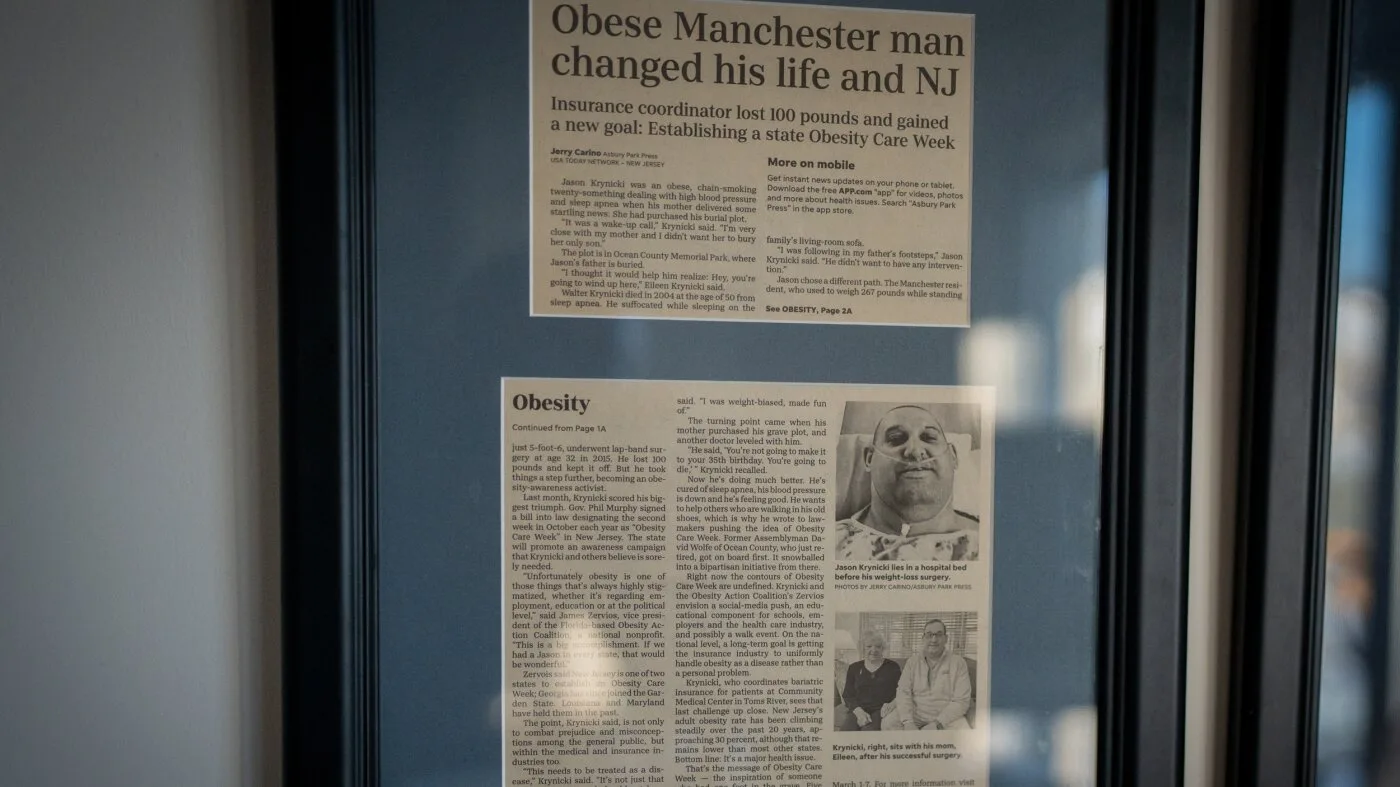
Jason Krynicki will never forget the vicious bullying he endured as a child due to his larger body size. Today, at age 43, he weighs a willowy 127 pounds, yet those painful memories persist. "You try to eat, and in the back of your mind, your mind still goes back to what people said to you 20 years ago," Krynicki says, recalling how other kids—and even doctors—called him fat and worse for his large appetite.
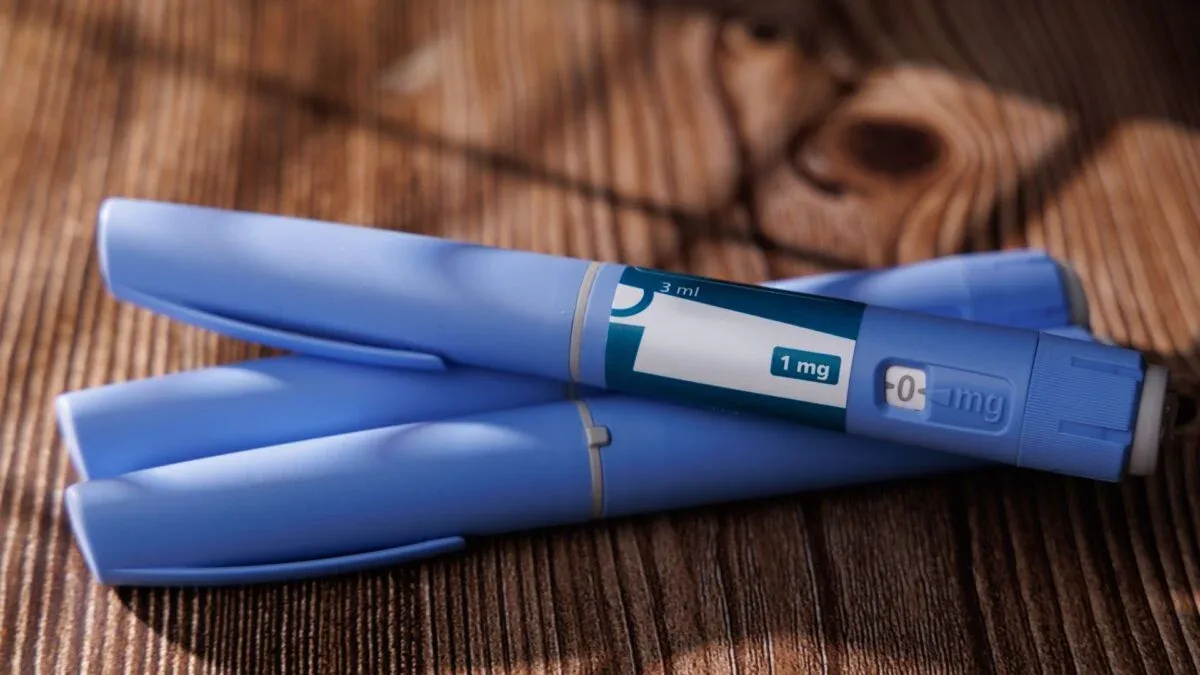
An insurance coordinator in Brick, NJ, Krynicki underwent bariatric surgery a decade ago. During the pandemic, he regained some weight, prompting his doctor to prescribe Zepbound, a GLP-1 injection. The drug stripped away 80 pounds—too much, leading to health issues like hair loss and light-headedness from low blood sugar. Despite an anorexia diagnosis, he fixates on losing more and weighs himself every other day. Meals spark internal conflict; he knows he needs to eat more to regain muscle but fears quitting: "I'm afraid that if I come off of it, I'm going to go back to that 267-pound person that had all the medical issues, hated his life and everything about myself."
The Rise of GLP-1 Drugs and Their Impact on Eating Behaviors
GLP-1 receptor agonists like Zepbound (tirzepatide) and others mimic the glucagon-like peptide-1 hormone, signaling fullness to the brain and slowing gastric emptying. This mechanism powerfully curbs appetite, driving significant weight loss in obesity treatment. However, for individuals prone to disordered eating, this suppression disrupts natural hunger cues, complicating nourishment.
Nearly a tenth of people will meet clinical benchmarks for an eating disorder in their lifetime, with far more experiencing problematic relationships with food and body weight. The surge in GLP-1 availability—often obtained online with minimal screening—amplifies vulnerabilities. Experts note little research exists on GLP-1 use or misuse in binge or restrictive eaters, despite these behaviors' prevalence.
Why GLP-1s Differ from Past Weight-Loss Drugs
Dr. Samantha DeCaro, who heads clinical outreach at The Renfrew Center specializing in eating disorders, compares GLP-1s to historical abuses like diet pills, appetite suppressants, diuretics, and enemas. "Today's GLP-1s are more powerful and wholly different," she says, warning they hinder regular nourishment and attunement to hunger signals. Weight loss rarely resolves underlying psychology; eating disorders involve emotional, relational, and biological drivers, often co-occurring with severe depression, anxiety, or PTSD.
Heavy marketing and celebrity endorsements revive a "cult of thinness," eroding body positivity. DeCaro notes grief over losing representation from larger-bodied influencers who once promoted acceptance.
Expert Warnings: Screening Gaps and High-Risk Groups
Most patients aren't evaluated for eating disorders before GLP-1 prescriptions, says Washington, DC psychologist Robyn Pashby, who serves on the Obesity Action Coalition board. "We're at a point where we need to hold two truths: That GLP-1s are legitimate evidence-based treatments for obesity, but that they also sit inside our culture, which has intense weight pressure, weight stigma and eating disorder risk," she emphasizes.
Psychiatrist Kim Dennis, CEO of SunCloud Health in Chicago, highlights dangers for those with low natural GLP-1 levels who binge due to poor satiety signals—GLP-1s might help here by restoring balance. However, misuse abounds. On the day she spoke, Dennis fielded a call about an anorexic patient with BMI 16 (e.g., a 5-foot-3 person at 90 pounds) obtaining drugs online by falsifying weight. She urged ER admission in a controlled setting.
Precision tracking for your journey
Join thousands using Shotlee to accurately track GLP-1 medications and side effects.
📱 Get the Shotlee App
Track your GLP-1 medications, peptides, and health metrics on the go with our mobile app!
"Atypical anorexics"—those meeting criteria but not underweight—are especially at risk, as doctors may prescribe based on size alone, unaware of the diagnosis.
Jason's Paradox: Dual Diagnoses and Stigma
Krynicki embodies this: "I still live with the disease of obesity," meaning his tendency to regain weight persists, masking anorexia. As a man, stigma delayed acknowledgment: "Men, we're always told that we can't show our emotions... We're supposed to be the big, tough male figures."
Recovery involves peer support in obesity care, encouraging healthy portions. "I think if it wasn't for my friends, I wouldn't be here today," he says. "I probably would be in either rehab or I would probably be dead for starving myself."
Practical Guidance for Patients and Providers
Before starting GLP-1s like Zepbound, discuss eating history with your doctor. Screen for bingeing, restricting, or body image distress. Monitor symptoms like persistent low appetite, hair loss, dizziness, or blood sugar drops—tools like Shotlee can help track these alongside medication schedules for better doctor discussions.
For those with known disorders, alternatives like therapy (CBT for eating issues) or behavioral obesity programs may suit better. GLP-1s shine for obesity without disorders but require vigilance.
Safety Considerations and Side Effects in Vulnerable Populations
Common GLP-1 side effects—nausea, GI issues—worsen with poor intake. In disordered eaters, risks escalate to malnutrition, muscle loss, and metabolic crashes. Men like Krynicki face underdiagnosis; advocate openly.
Key Takeaways: Balancing GLP-1 Benefits and Risks
- GLP-1s like Zepbound effectively treat obesity but can exacerbate eating disorders by overriding hunger cues.
- Nearly 10% lifetime eating disorder prevalence underscores screening needs.
- Stories like Jason Krynicki's highlight obesity stigma's lasting impact and dual-diagnosis challenges.
- Experts (Pashby, DeCaro, Dennis) urge cultural awareness and caution for atypical cases.
- Support networks and therapy aid recovery; consider apps for symptom tracking.
What This Means for Patients
If considering GLP-1s, prioritize comprehensive evaluation. Those with disordered eating histories should explore integrated care addressing obesity and mental health. Krynicki's resilience shows peer support's power—build your network. While GLP-1s offer hope for obesity, unchecked use in vulnerable groups demands caution to avoid complicating lives further.
This paradox persists in a weight-focused society: legitimate tools amid stigma. Consult providers for personalized plans, preserving health holistically.