Gypsy-Rose Blanchard's Dramatic Weight Loss from Lifestyle Changes
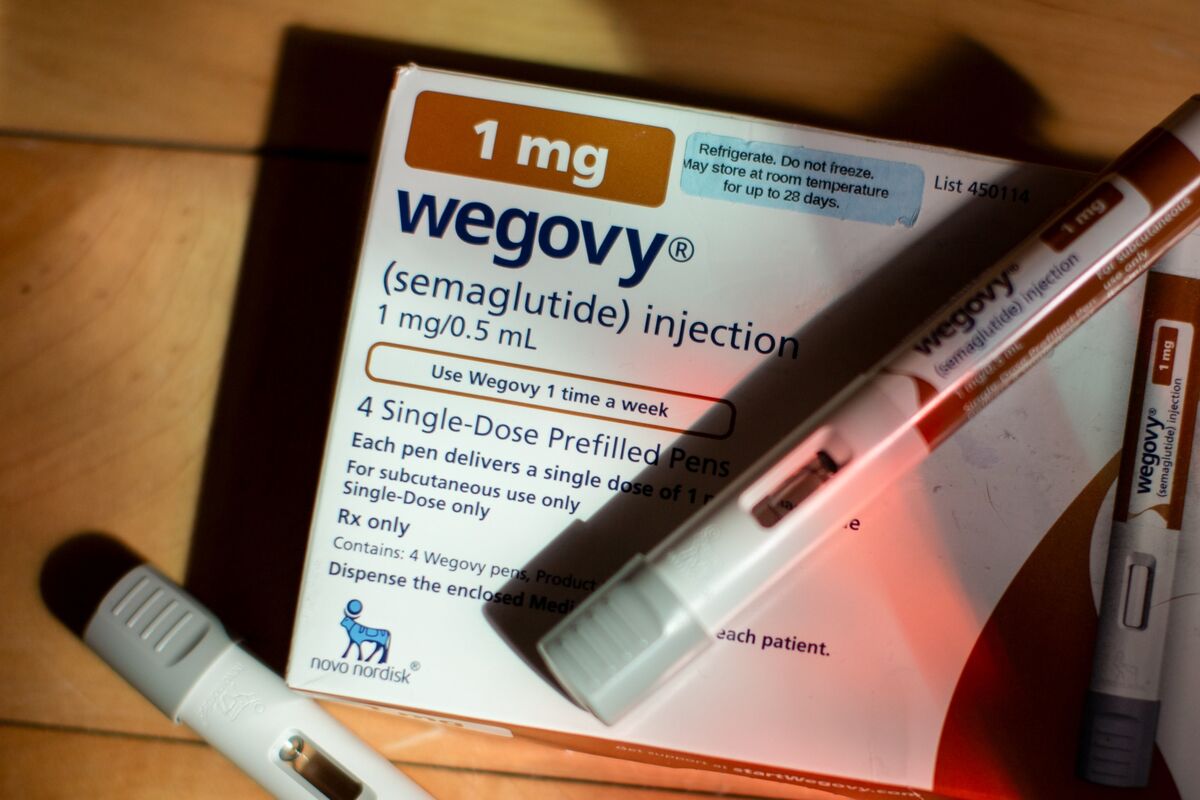
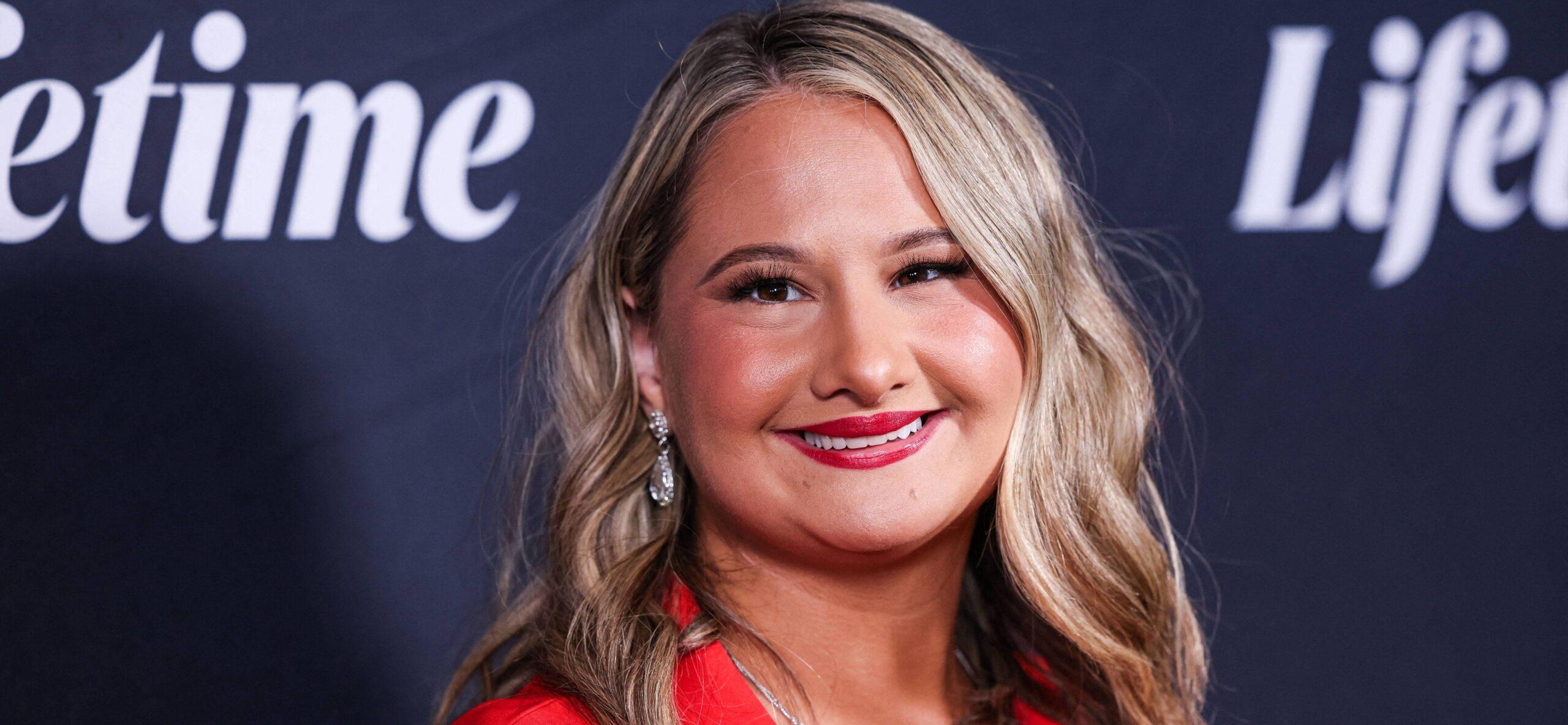
In a candid Instagram video, Gypsy-Rose Blanchard revealed her dramatic weight loss, stepping on a scale that read 108.2 lbs before showcasing her transformed figure. This Gypsy-Rose Blanchard weight loss story has sparked widespread interest, especially as she attributes it entirely to lifestyle changes after prison release, explicitly denying the use of workouts, restrictive diets, or weight loss drugs like GLP-1 medications such as Ozempic or Wegovy.
Who Is Gypsy-Rose Blanchard?
Gypsy-Rose Blanchard gained notoriety following her 2023 parole after serving eight years of a ten-year sentence for her role in the 2015 murder of her mother, Dee Dee Blanchard. Released into a world of newfound freedom, the 34-year-old reality TV personality and media figure has shared glimpses of her post-prison life, including her physical transformation. Her story resonates with themes of resilience, personal reinvention, and natural weight loss without medication.
The Instagram Reveal: No Gatekeeping Here
Blanchard hopped on Instagram for a bonding session with fans, taking them on her weight loss journey "without breaking a sweat—literally." In the clip, she displayed the scale's reading of 108.2 lbs, flipped the camera to highlight her figure and hair, and captioned it transparently: "Okay, y'all, I'm not gatekeeping. My weight loss came from life circumstances. After being released two years ago, my lifestyle changed a lot - from commissary junk food to home-cooked meals and trying new foods."
She emphasized no formal workout routine, no dietary restrictions, and no weight loss drug like GLP-1. "I was not actively trying to lose weight, but my whole life just changed and adjusted to freedom," she added. This revelation underscores how environmental shifts can drive metabolic health improvements organically.
Understanding the Science: From Prison Commissary to Home-Cooked Meals
Blanchard's shift from prison commissary junk food—often high in processed sugars, sodium, and unhealthy fats—to nutrient-dense home-cooked meals aligns with established nutritional science. Commissary items like chips, sodas, and instant meals contribute to weight gain through empty calories and inflammation-promoting ingredients. In contrast, home cooking allows control over portions, fresh vegetables, lean proteins, and whole grains, fostering satiety and stable blood sugar.
Clinically, such changes reduce insulin resistance and promote fat loss via improved gut health and reduced caloric density. Studies on post-incarceration health show similar patterns: freedom often leads to unintentional weight loss through increased activity and better food access. For patients seeking lifestyle-based weight loss, this mirrors recommendations from metabolic health experts—focus on whole foods without extreme calorie counting.
Practical Guidance for Similar Transformations
- Start small: Swap processed snacks for home-prepped meals with veggies and proteins.
- Incorporate variety: Trying new foods, as Blanchard did, prevents boredom and nutrient gaps.
- Track progress: Apps like Shotlee can log meals, symptoms, and energy levels to monitor changes safely.
- Consult professionals: Discuss with a doctor, especially if transitioning from restricted environments.
Public Reactions: Praise, Criticism, and Clarifications
Her post drew mixed Instagram comments. One user called it "tone deaf and narcissistic," noting, "Girl, we live in a time where we don't brag about our weight loss unless we are showing a fitness routine." Another suggested more healthy fats, while a third defended her against assumptions of medication use. A fan highlighted potential postpartum causes, and supporters praised: "You look amazing. You are a true testament to strength and change."