
Denmark's Obesity Rate Stalls in Wegovy-Maker Novo's Home Market
In Denmark, the home market of weight-loss drug pioneer Novo Nordisk, obesity rates have stalled after years of steady increases. A national survey reveals the share of Danish adults and older teenagers living with obesity remained at 18.5% in 2025, unchanged from 2021. This marks a departure from the trend that saw rates climb from 13.6% in 2010.
The New Data on Denmark's Obesity Trends
The findings come from a new national survey released Thursday by the National Institute of Public Health. This stagnation is significant because earlier projections estimated obesity prevalence could reach 32% by 2040. For context, obesity—defined clinically as a BMI of 30 or higher—increases risks for type 2 diabetes, cardiovascular disease, and other metabolic conditions. Denmark's plateau suggests a potential turning point in a nation long grappling with rising weights amid Western dietary shifts.
Historical Context: From 13.6% to Plateau
Between 2010 and 2021, obesity rates rose progressively, mirroring global patterns driven by sedentary lifestyles, processed foods, and urbanization. The 2025 survey, covering adults and older teens (ages 16+), shows no further increase, offering early evidence that public health interventions or medical advancements may be taking hold.
Wegovy's Rapid Adoption in Denmark
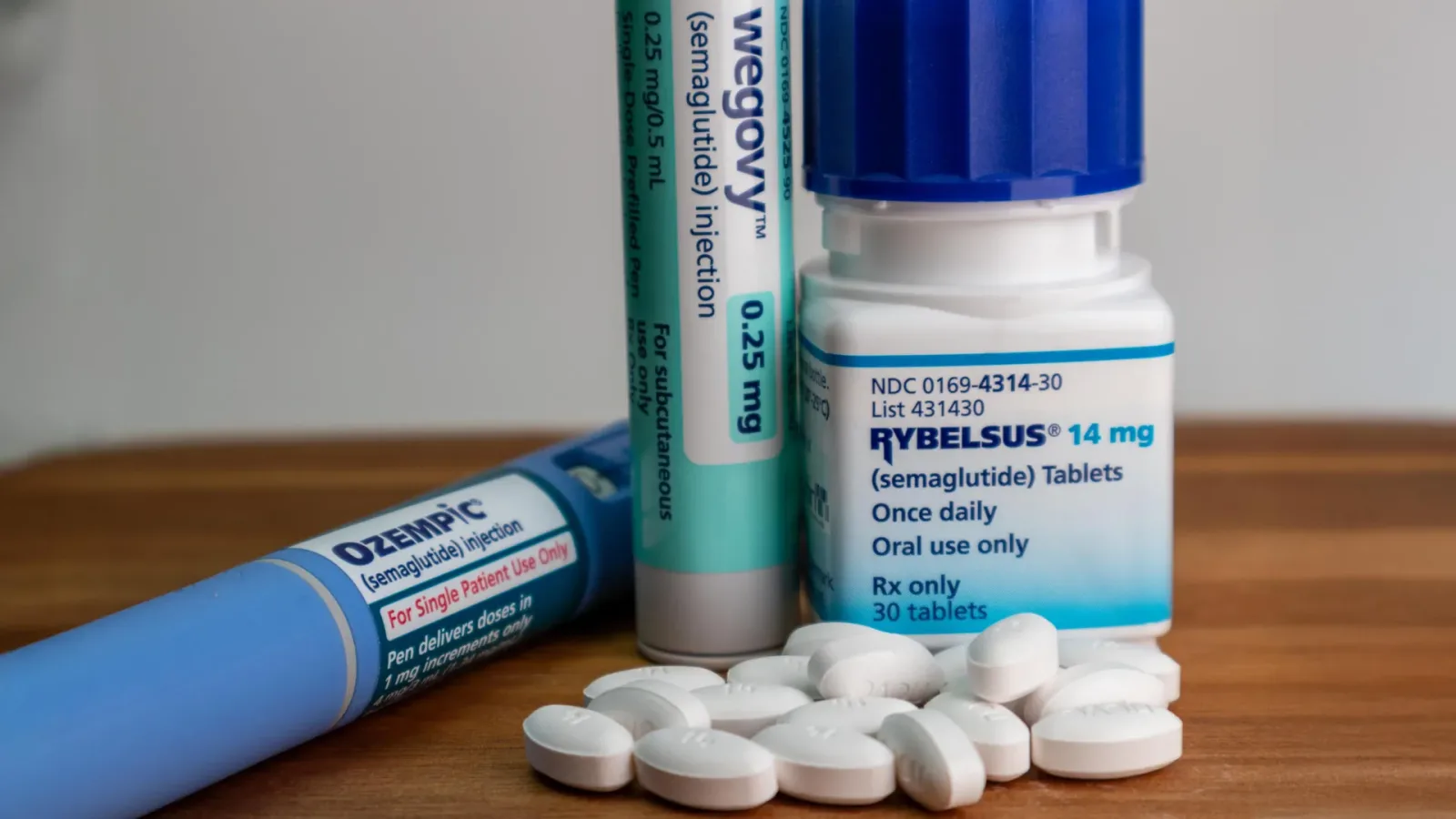
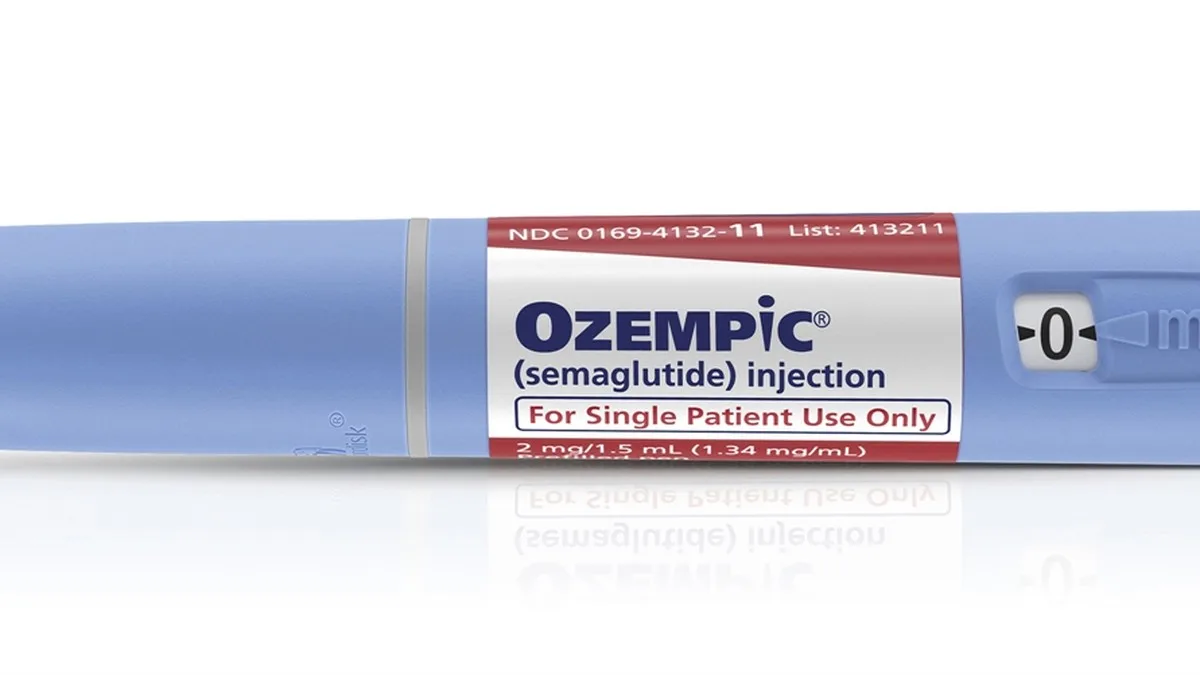
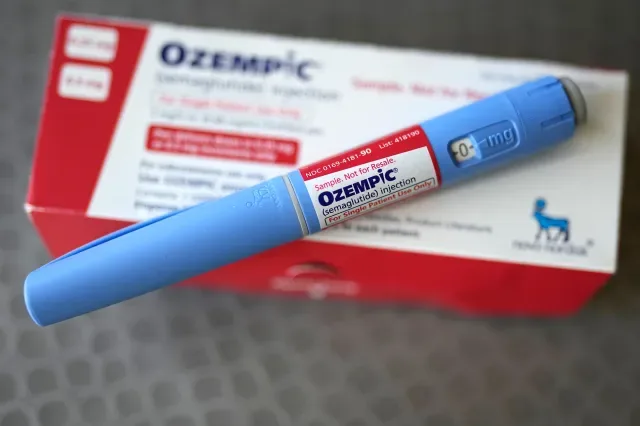
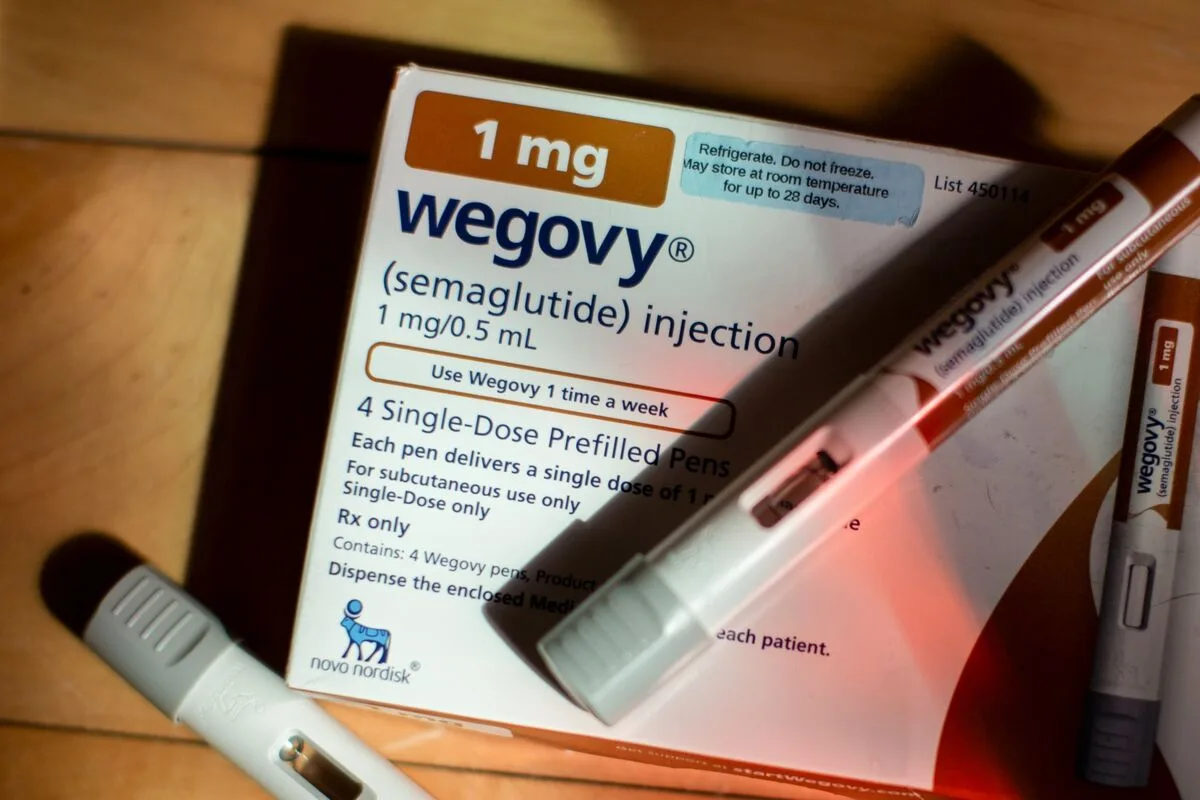
Novo Nordisk launched Wegovy in Denmark at the end of 2022, positioning it as one of the first markets for this blockbuster GLP-1 receptor agonist billed as a transformative obesity treatment. Official prescription data indicates about 270,000 people have used the medicine since then—equivalent to almost 5% of the population. Wegovy, containing semaglutide at higher doses than its sister drug Ozempic (used primarily for type 2 diabetes), has seen swift uptake due to its availability and Denmark's robust healthcare system.
How GLP-1 Drugs Like Wegovy Work
Wegovy and Ozempic mimic the GLP-1 hormone, which regulates blood sugar, slows gastric emptying, and signals fullness to the brain. This leads to reduced appetite and calorie intake, promoting sustained weight loss of 15-20% body weight in clinical trials. In a population setting, widespread use could influence aggregate trends by enabling more individuals to achieve healthier weights, particularly those with obesity-related comorbidities.
Expert Analysis: Drugs' Likely Role in the Stall
The research did not directly explore causation, but Anne Illemann Christensen, head of research at the National Institute of Public Health and a key researcher on the study, noted that the drugs likely contributed. "It's positive that we are now seeing a stagnation, because in many previous studies we have found that the proportion has risen and risen and risen," Christensen said in an interview. "So it looks as though it is not continuing the way one might have feared." She added that other factors, such as increased exercise, could also play a role.
Precision tracking for your journey
Join thousands using Shotlee to accurately track GLP-1 medications and side effects.
📱 Get the Shotlee App
Track your GLP-1 medications, peptides, and health metrics on the go with our mobile app!
"The drugs likely had an impact... Other factors such as increased exercise could also be contributing."
- Anne Illemann Christensen, National Institute of Public Health
Broader Implications for Obesity Management
Denmark's experience provides a real-world glimpse into GLP-1 medications' potential at scale. Unlike slower lifestyle interventions, drugs like Wegovy offer pharmacological support for those struggling with obesity's biological drivers, such as hormonal imbalances. Compared to alternatives like older weight-loss drugs (e.g., orlistat) or bariatric surgery, GLP-1s provide non-invasive, once-weekly dosing with superior efficacy for many.
Comparison to Global Trends
While U.S. obesity rates exceed 40%, Denmark's lower baseline (18.5%) and early Wegovy access highlight how timely interventions can curb epidemics. This contrasts with markets where supply shortages delayed rollout, potentially allowing rates to climb further.
What This Means for Patients Considering Wegovy or Ozempic
If you're overweight or obese, Denmark's trends underscore GLP-1 therapies' value. Ideal candidates include those with BMI ≥30 (or ≥27 with comorbidities like hypertension). Discuss with your doctor: Wegovy is approved for chronic weight management alongside diet and exercise. Start low to minimize nausea or GI side effects, common initially but often resolving.
- Eligibility: BMI criteria, no uncontrolled thyroid issues.
- Dosing: Semaglutide 2.4mg weekly max for Wegovy.
- Monitoring: Track weight, blood sugar; apps like Shotlee can log symptoms and adherence for better doctor discussions.
Safety Profile and Side Effects of Wegovy
Wegovy is generally safe, with trials showing low discontinuation rates. Common side effects: nausea (44%), diarrhea (30%), vomiting (24%). Rare risks include pancreatitis or gallbladder issues. Long-term data supports cardiovascular benefits, reducing events by up to 20% in high-risk groups—relevant as obesity fuels heart disease. Regular check-ins ensure optimal use.
Key Takeaways
- Denmark's obesity rate: 18.5% in 2025, flat from 2021 vs. 13.6% in 2010.
- 270,000 Wegovy users (~5% population) since late 2022 launch.
- Experts like Christensen link GLP-1s to averting 32% projection by 2040.
- Lifestyle factors contribute, but drugs provide powerful tools.
Conclusion: A Model for Global Obesity Control?
Denmark's stalled obesity rate signals hope, with Wegovy and Ozempic likely pivotal. Patients worldwide should explore these with providers for personalized metabolic health strategies. Staying informed on such population-level shifts empowers better decisions—consult your healthcare team to see if GLP-1 therapy fits your needs.