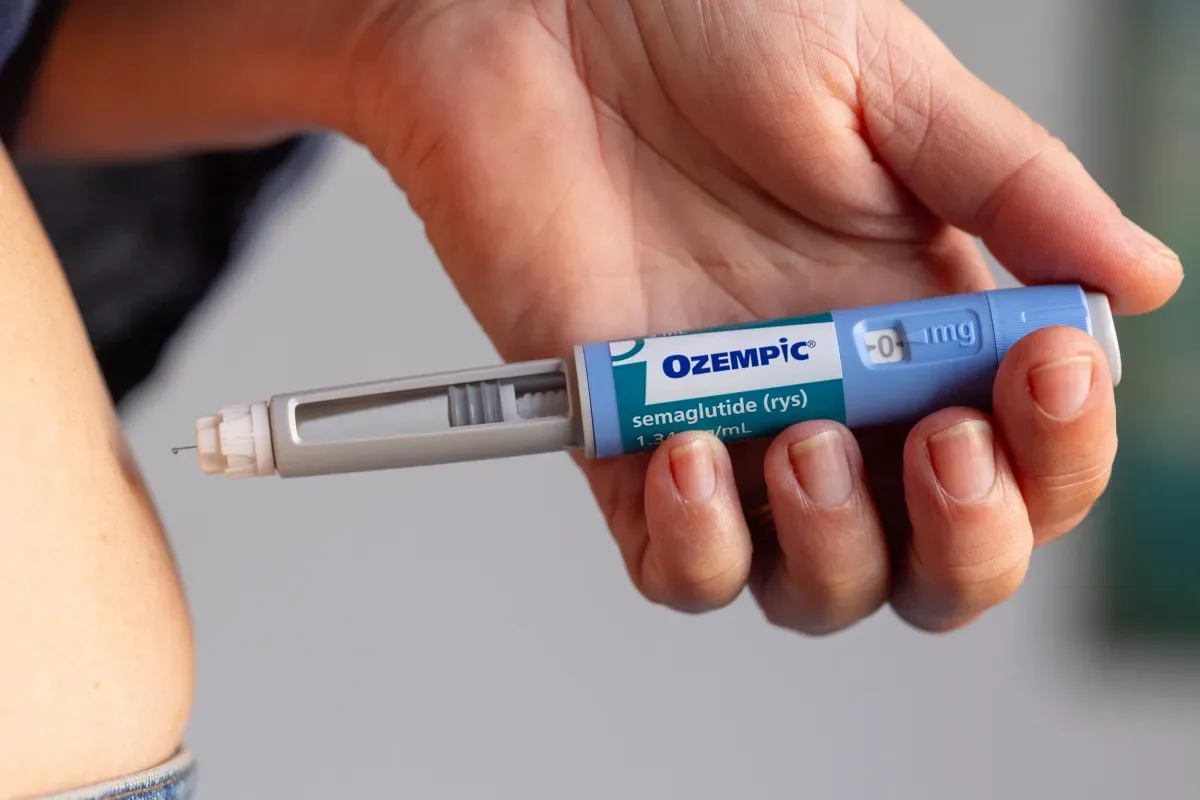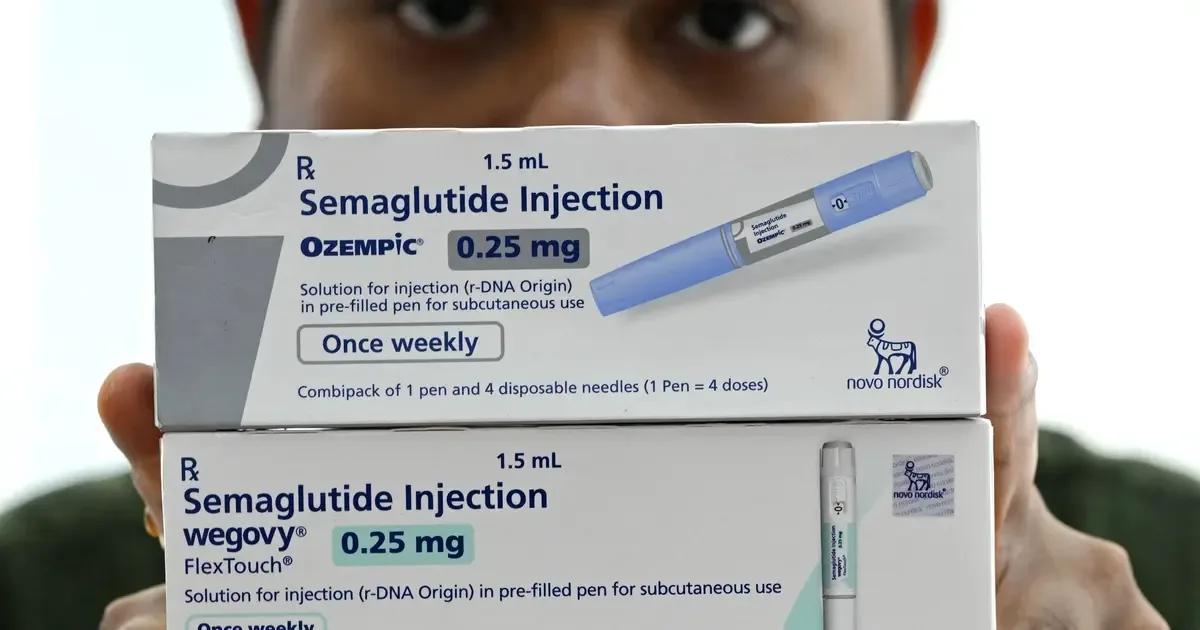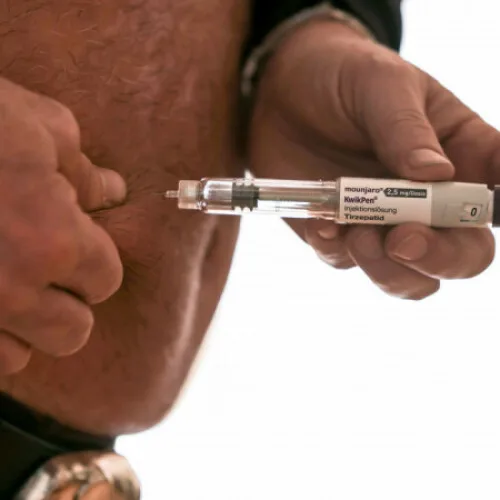
Semaglutide, the active ingredient in popular GLP-1 medications such as Ozempic and Wegovy, shows promise in protecting the heart from life-threatening tissue damage following a heart attack. A groundbreaking study from the University of Bristol and University College London demonstrates how these weight-loss injections could prevent the 'no-reflow' complication, a common issue affecting up to half of heart attack patients. This finding highlights semaglutide's potential beyond weight management, offering new hope for cardiovascular protection during cardiac emergencies.
The Groundbreaking Study on Semaglutide and Heart Protection
Researchers from the University of Bristol and University College London conducted experiments revealing that semaglutide may significantly reduce the risk of dangerous tissue damage after a heart attack. Published in the journal Nature Communications, the study focused on the GLP-1 medication's ability to improve blood flow to the heart muscle post-attack.
Dr. Svetlana Mastitskaya, senior lecturer in cardiovascular regenerative medicine at the University of Bristol and co-author of the study, explained: "In nearly half of all heart attack patients, tiny blood vessels within the heart muscle remain narrowed even after the main artery is cleared during emergency treatment. This results in a complication known as 'no-reflow', where blood is unable to reach certain areas of heart tissue."
The team's findings suggest that GLP-1 drugs like semaglutide could stop this from happening. In mouse models simulating heart attacks, semaglutide notably enhanced blood flow, reducing the risk of permanent heart damage.
Understanding the No-Reflow Phenomenon
What Causes No-Reflow After a Heart Attack?
The 'no-reflow' complication occurs in up to half of heart attack patients. Even after doctors successfully clear the main blocked artery during procedures like angioplasty, tiny blood vessels in the heart muscle often remain constricted. This prevents blood from reaching damaged areas, severely impairing the heart's pumping ability.
Consequences are dire: increased risk of death or hospitalization for heart failure within a year. No-reflow stems from inflammation, swelling, and constriction in microvascular pericytes—specialized cells that regulate small vessel diameter.
Why No-Reflow Matters in Heart Attack Recovery
Restoring full blood flow is critical for heart tissue survival. Without it, viable muscle dies, leading to weakened cardiac function and long-term complications like chronic heart failure. Current treatments focus on the primary blockage, but addressing microvascular issues remains a major unmet need in cardiology.
How Semaglutide Works to Prevent Tissue Damage
Semaglutide activates potassium channels in the lining of blood vessels. This action relaxes pericytes, the cells that normally constrict vessels during stress. As these cells relax, blood vessels dilate, allowing oxygen-rich blood to reach vulnerable heart tissue and minimizing permanent damage.
Beyond this novel cardiovascular mechanism, semaglutide is well-known for its GLP-1 receptor agonist properties. Originally developed for type 2 diabetes and obesity, it suppresses appetite, helping users lose up to 33lbs over 68 weeks. These injections mimic gut hormones to regulate blood sugar, slow gastric emptying, and promote satiety.
Precision tracking for your journey
Join thousands using Shotlee to accurately track GLP-1 medications and side effects.
📱 Get the Shotlee App
Track your GLP-1 medications, peptides, and health metrics on the go with our mobile app!
From Weight Loss to Cardiac Rescue: GLP-1 Mechanisms
GLP-1 agonists like semaglutide exert pleiotropic effects, including anti-inflammatory actions and improved endothelial function. In the heart attack context, their vasodilatory impact on microvasculature directly counters no-reflow. This dual role—metabolic and vascular—positions semaglutide as a multifaceted therapy.
Potential for Emergency Use in Heart Attacks
Experts see transformative potential: semaglutide could be administered at the scene of a heart attack. Dr. Mastitskaya noted that paramedics might one day give the injection en route to the hospital or during emergency artery-reopening procedures. Repurposing existing drugs like Ozempic and Wegovy could save lives without awaiting new approvals.
Who Might Benefit from Semaglutide Heart Protection?
- Patients at high risk for heart attacks, such as those with obesity, type 2 diabetes, or metabolic syndrome.
- Individuals post-heart attack to prevent no-reflow and support recovery.
- Those already on GLP-1 therapy for weight loss, who may gain added cardiovascular benefits.
Patients should discuss with their cardiologist or endocrinologist. Factors like kidney function, gastrointestinal tolerance, and concurrent medications influence suitability.
Safety Profile and Side Effects of Semaglutide
Semaglutide is generally well-tolerated, but common side effects include nausea, vomiting, diarrhea, and constipation, often improving over time. Rare risks involve pancreatitis, gallbladder issues, or thyroid tumors (in animal studies). For heart patients, monitoring for dehydration or low blood pressure is key, especially post-attack.
No major cardiac contraindications exist; in fact, GLP-1 drugs have shown cardiovascular safety in large trials like SUSTAIN and STEP. Tools like Shotlee can help patients track symptoms, side effects, or injection schedules for better adherence and doctor discussions.
Comparing Semaglutide to Other Heart Attack Treatments
Standard care includes aspirin, statins, beta-blockers, and PCI (percutaneous coronary intervention). Unlike these, semaglutide targets microvascular no-reflow directly. Other vasodilators like nitroglycerin help macrovessels but not pericytes. Emerging therapies like adenosine are limited by side effects; semaglutide's established profile offers an edge.
In obesity-related heart disease, semaglutide outperforms lifestyle interventions alone for sustained weight loss and risk reduction.
Key Takeaways: What This Means for Patients
- Semaglutide prevents no-reflow in mice by relaxing pericytes via potassium channels.
- Up to 50% of heart attack patients face no-reflow, raising death and heart failure risks.
- Potential paramedic administration could revolutionize acute care.
- Consult doctors before starting; ideal for metabolic high-risk groups.
- Monitor via apps like Shotlee for optimal management.
Conclusion and Next Steps
This University of Bristol study underscores semaglutide's emerging role in cardioprotection, preserving the core finding that fat jabs could slash tissue damage risk post-heart attack. While mouse data is promising, human trials are needed. Patients with heart risks or on Ozempic/Wegovy should explore this with providers. Stay informed on GLP-1 advances for metabolic and cardiac health—discuss integrating semaglutide into your care plan today.