
The Rise of GLP-1 Drugs and Initial Industry Concerns
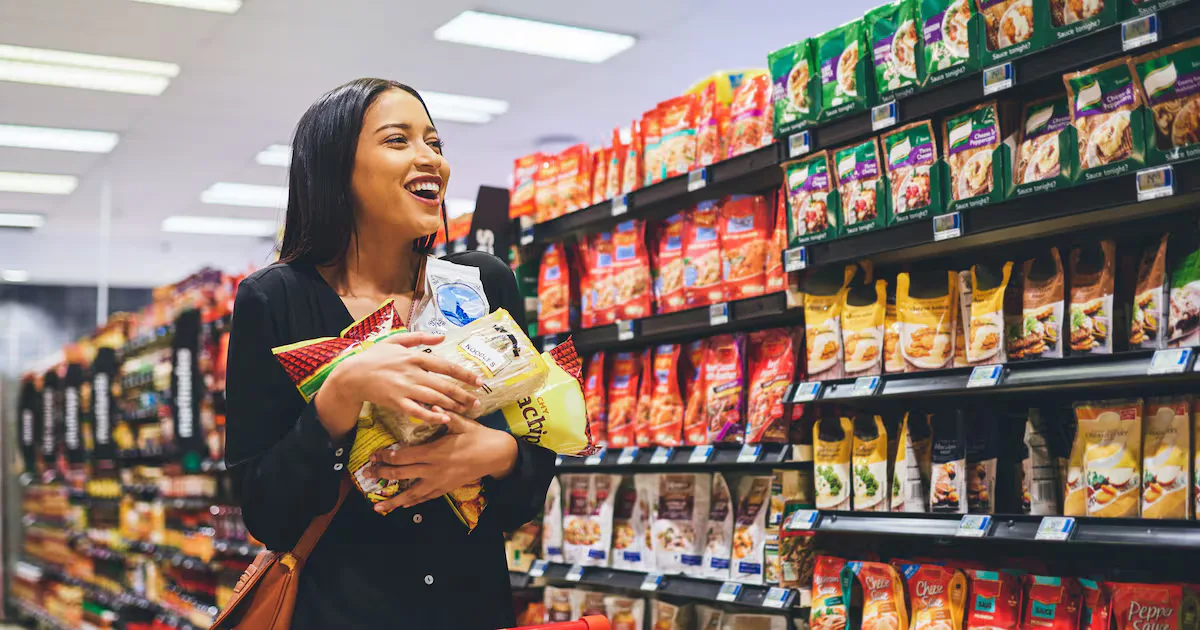
New USDA data analysis highlights a surprising trend: snack sales are holding steady despite the surge in GLP-1 drugs for weight loss. Since these medications were approved for obesity treatment in 2021, prescriptions among adults have climbed from 0.5% to just over 2% by 2024, according to FAIR Health data analyzed by the USDA Office of the Chief Economist.
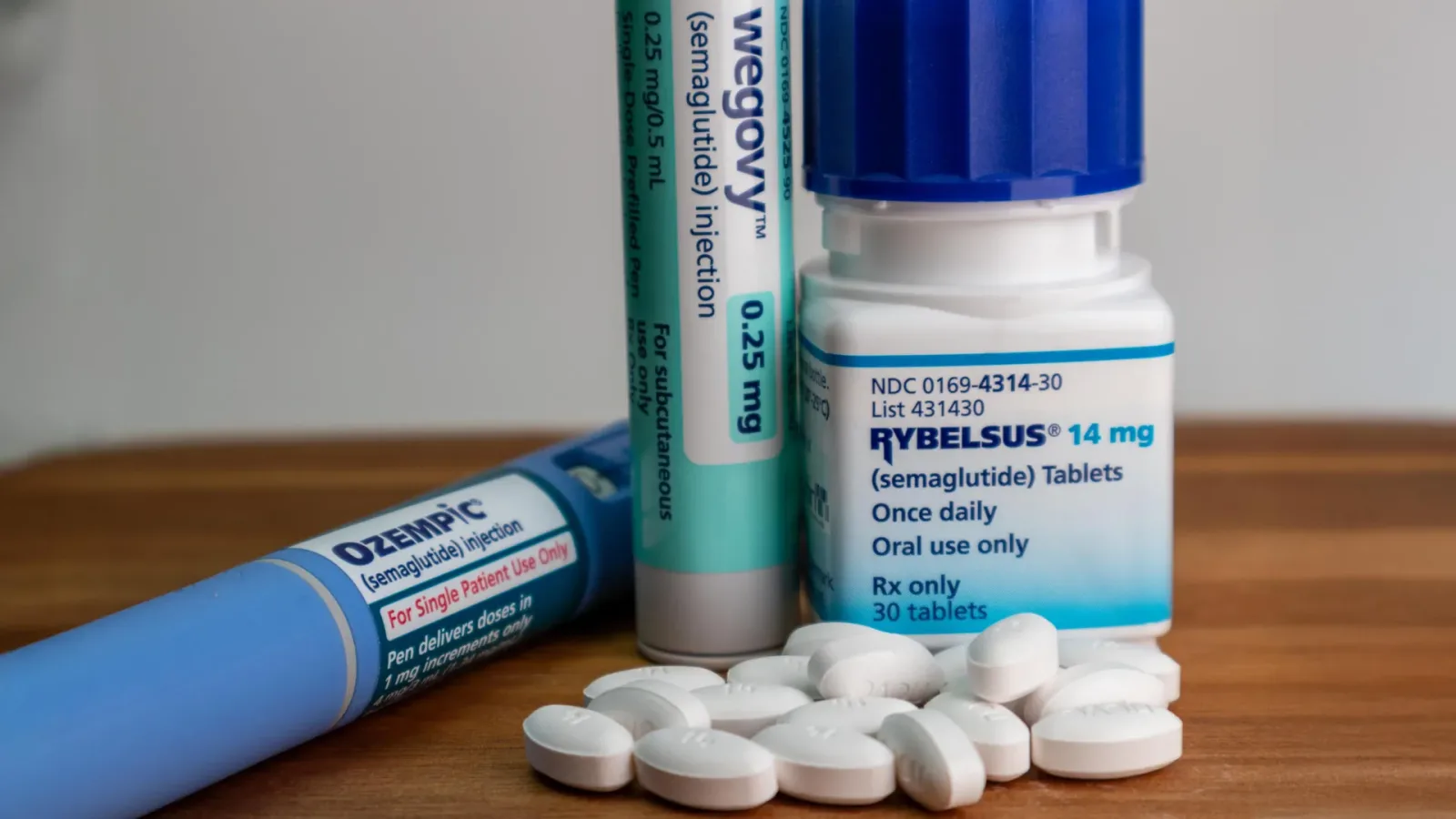
This uptick in GLP-1 drug use—medications like semaglutide and tirzepatide that mimic the GLP-1 hormone to suppress appetite, slow gastric emptying, and promote satiety—sparked significant concern among food and beverage industry stakeholders. The fear was that reduced hunger would lead to slimmer waistlines and lighter grocery carts, dramatically dampening sales of snacks and other indulgent foods.
GLP-1 drugs work by activating receptors in the brain and gut, signaling fullness even after smaller meals. This mechanism not only aids weight loss but also alters eating behaviors, prompting questions about long-term effects on food consumption. However, the data does not yet capture 2025 figures or off-label use without prescriptions, suggesting actual adoption may be higher. For context, a large RAND survey estimates about 12% of US adults have used GLP-1 weight-loss drugs at some point, while Truveta Research pegs nearly 2.2 million patients prescribed these drugs from January 2019 to December 2025.
Early Evidence of Grocery Spending Impacts
The appetite suppression from GLP-1 drugs did influence spending initially. A study by Cornell University and Numerator, published in late December, found households with GLP-1 users cut average grocery spending by 5.3%, rising to 8% among higher-income households. Notably, "the magnitude of the reduction becomes smaller over time," indicating potential adaptation.
An earlier EY-Parthenon analysis warned of broader effects, estimating diet changes linked to GLP-1 drug use could lead to upwards of $12 billion in snack sales lost over the next decade. These projections fueled industry handwringing, but real-world sales data tells a different story so far.
Understanding GLP-1 Mechanisms and Dietary Shifts
For patients on GLP-1 therapy, these drugs reduce caloric intake by curbing cravings, particularly for high-sugar and high-fat foods. Clinical background shows users often report less interest in large meals, favoring smaller, nutrient-dense options. This aligns with why initial grocery dips occurred but stabilized—users may redistribute calories rather than eliminate snacking entirely.
Practical guidance for GLP-1 patients: Discuss dietary changes with your doctor, focusing on protein-rich, high-fiber foods to maintain muscle mass and manage side effects like nausea. Tools like Shotlee can help track symptoms, medication adherence, and evolving snack preferences for personalized adjustments.
USDA Data Reveals Snack Sales Resilience
Presented on Feb. 19 at the USDA Agriculture Outlook Forum, the agency's analysis shows snack units stable at slightly more than 10 billion per year in 2024—about the same as 2020. There was a small uptick in late 2022, but the trajectory remains steady, even as GLP-1 prescriptions grew.
"I was surprised to see that when we think about the long-term trend towards GLP-1s' potential for less food consumption overall - we don't see that being born out in the data, just yet," said USDA Chief Economist Justin Benavidez.
"My theory here was that we would look and we would see some net change in food consumption, but ... surprisingly to me, at least, the number of units sold has remained roughly the same," he explained. Benavidez noted the data excludes price adjustments that could boost accessibility if demand softens and doesn't cover all food categories.
Precision tracking for your journey
Join thousands using Shotlee to accurately track GLP-1 medications and side effects.
📱 Get the Shotlee App
Track your GLP-1 medications, peptides, and health metrics on the go with our mobile app!
Reports from Retailers and Manufacturers Align
This USDA finding echoes reports from major players. In 2023, Walmart stated customers filling GLP-1 prescriptions at its pharmacies bought only "slightly less calories" than similar non-users.
Coca-Cola CEO James Quincey, during the Q4 earnings call, downplayed impacts: "GLP-1 use is not a significant headwind for the overall beverage business at this time." He highlighted shifts: "They tend to drink less full sugar soft drinks, but they tend to drink more diet soft drinks, also hydration, more coffee and ... a big shift towards protein drinks." Tracking across non-alcoholic beverages, meals, and even alcohol reveals a "full change in the diet makeup."
Opportunities Emerging for Adapted Snacks
These patterns create niches for snacks tailored to GLP-1 users' needs—higher in fiber, protein, nutrient-density, and hydration. Simply Good Foods, maker of Atkins products, views this as a growth area. CEO Geoff Tanner, in the January Q1 earnings call, shared: their pilot clinical study found GLP-1 users consuming Atkins products retained muscle mass, enjoyed digestive comfort, and showed improved metabolic markers important for diabetes patients.
"GLP-1 drugs are clearly a game changer for many people in how they lose weight, and we're excited in the coming months to share more information about our research into how Atkins' nutritional approach can help these consumers achieve their goals," Tanner said.
GLP-1 users might also repurpose traditional snacks as mini-meals, sustaining unit sales. Compared to alternatives like bariatric surgery or older weight loss drugs, GLP-1s offer milder, reversible appetite changes, allowing flexible eating.
Safety Considerations for GLP-1 Users
While effective, GLP-1 drugs carry side effects like gastrointestinal issues, which nutrient-dense snacks can mitigate. Always consult healthcare providers before dietary overhauls, especially with conditions like diabetes.
Future Outlook: Watching for Changes
Though sales hold steady now, USDA's Benavidez cautions: "I will be interested to revisit this question a year from now, two years from now, and see if that picture has changed. But these are certainly patterns that we want to observe when thinking about overall food demand and demand for US products."
Major snack makers and retailers report minimal impacts since 2021 approval for weight management, suggesting resilience—or early adaptation.
Key Takeaways for Patients and Industry
- Snack sales stable: USDA data shows 10+ billion units in 2024, defying GLP-1 fears.
- Grocery cuts modest: 5.3% average drop, lessening over time per Cornell/Numerator.
- Consumer shifts: Toward protein, diet drinks, fiber—opportunities for adapted products.
- Patient advice: Prioritize nutrient-dense snacks; track with apps like Shotlee for optimal therapy.
- Watch ahead: Long-term data needed as adoption grows beyond 2%.
In summary, while GLP-1 drugs reshape diets, snack sales' stability offers reassurance for now. Patients should leverage these insights for balanced nutrition, and industry watchers anticipate tailored innovations. Stay informed on evolving research for metabolic health.