
GLP-1s & Your Health: More Than Just Weight Loss
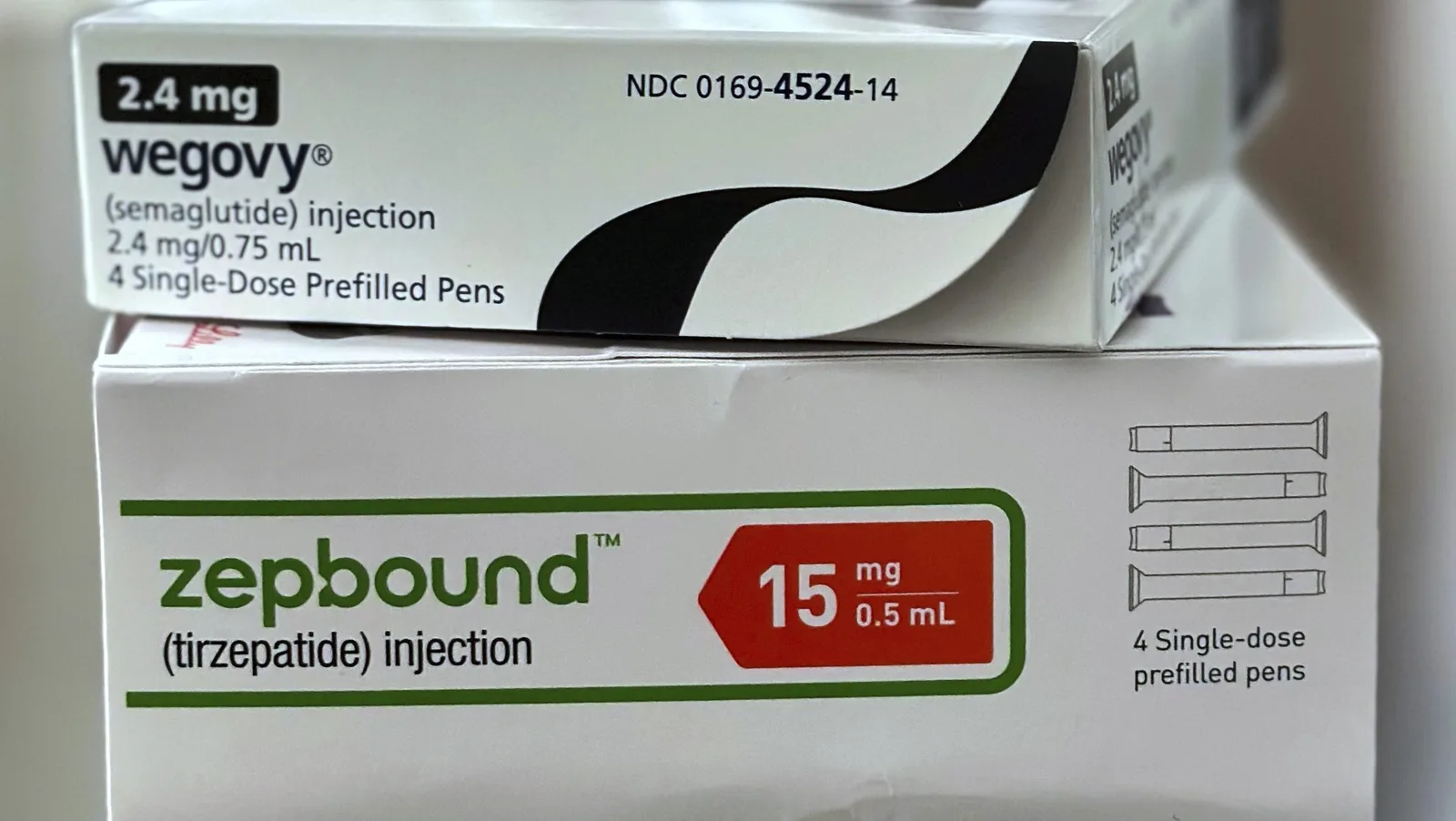
The buzz around GLP-1 receptor agonists, such as semaglutide (Ozempic, Wegovy) and tirzepatide (Mounjaro), is undeniable. While primarily prescribed for type 2 diabetes and weight management, their potential impact extends far beyond the scale. But what's the real story, and how do these medications connect to broader trends in health and even the economy?
Understanding GLP-1s and Peptide Therapy
GLP-1s (glucagon-like peptide-1s) are hormones that play a crucial role in regulating blood sugar levels and appetite. Semaglutide and tirzepatide mimic the action of GLP-1, leading to increased insulin release after meals, reduced glucagon secretion (which prevents the liver from releasing too much glucose), and slowed gastric emptying. This combination results in improved blood sugar control and reduced appetite, leading to weight loss.
Furthermore, research is emerging on other peptides, like BPC-157, being used to promote healing and gut health. These aren't GLP-1 drugs, but fall into the broader category of peptide therapy and are sometimes discussed in the context of overall wellness plans.
The Potential Ripple Effect: Health, Longevity, and Economics
The rising popularity of GLP-1 drugs is prompting discussions about their wider effects. If a significant portion of the population experiences weight loss and improved metabolic health, it could lead to:
Precision tracking for your journey
Join thousands using Shotlee to accurately track GLP-1 medications and side effects.
📱 Get the Shotlee App
Track your GLP-1 medications, peptides, and health metrics on the go with our mobile app!
- Reduced healthcare costs associated with obesity-related diseases (like type 2 diabetes and heart disease).
- Increased productivity due to improved energy levels and overall well-being.
- Changes in consumer spending patterns as people prioritize different goods and services.
However, it's important to remember that these are potential impacts. As a global economics forecaster warns regarding Australia, other economic factors like unemployment and wage growth also significantly influence consumer behavior. The true impact of GLP-1s will be determined over time.
Practical Steps for Optimizing Your Metabolic Health
Regardless of whether you're considering GLP-1 medications, prioritizing your metabolic health is crucial for long-term well-being. Here are some actionable steps:
- Focus on a balanced diet rich in whole foods, lean protein, and healthy fats.
- Engage in regular physical activity that you enjoy. Aim for at least 150 minutes of moderate-intensity exercise per week.
- Prioritize sleep. Aim for 7-9 hours of quality sleep per night.
- Manage stress levels through techniques like meditation, yoga, or spending time in nature.
- Consult with your doctor to discuss your individual health needs and goals.
Understanding your body’s responses to different foods and activities can be significantly aided through careful health tracking. Tools like Shotlee can help you monitor key metrics such as weight, blood glucose levels, and activity levels, empowering you to make informed decisions about your health and well-being.
Conclusion: Taking Charge of Your Health Journey
The emergence of GLP-1 drugs presents both opportunities and challenges. While they can be a valuable tool for weight management and improving metabolic health, it's crucial to approach them responsibly and holistically. By focusing on healthy lifestyle habits and working closely with your healthcare provider, you can take control of your health journey and thrive.