
GLP-1s and Hair Thinning: Expert Advice for Management
While using GLP-1 medications, hair loss might seem alarming, but often it's not as critical as it appears.
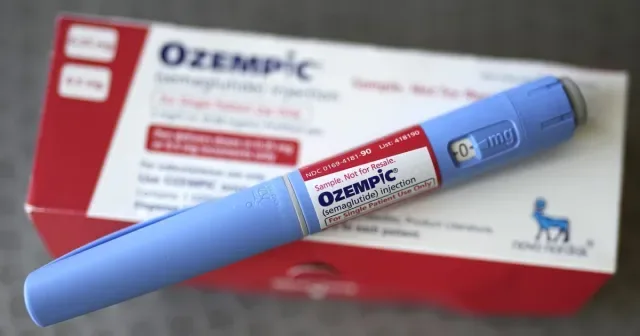
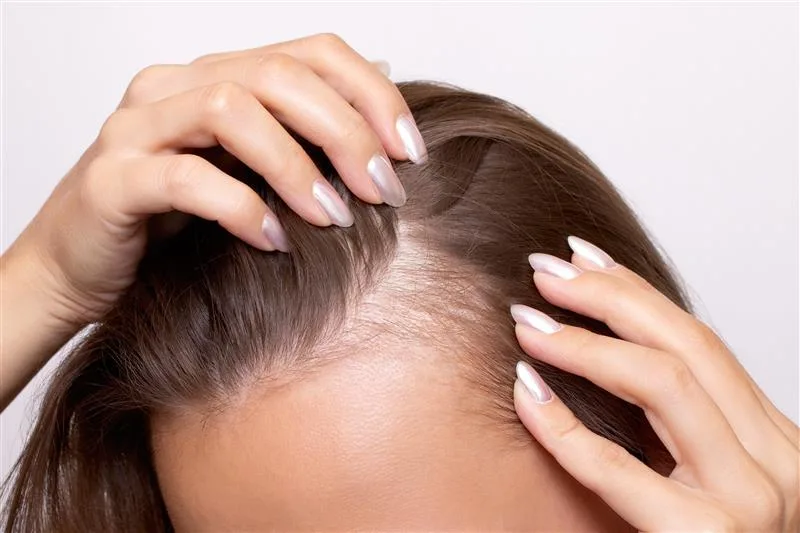
Many things in life involve tradeoffs, and GLP-1 drugs are no exception. Initially touted as a revolutionary solution for obesity and excess weight, a notable side effect has emerged: sudden and sometimes significant hair loss.
This phenomenon, termed GLP-1 "shedding," leads some users to feel they've exchanged weight for persistent hair problems. Fortunately, solutions exist to effectively manage this particular concern.
Different Demographics in Hair Loss
Understanding this type of hair loss starts with recognizing its unique demographics. Hair loss is often perceived as a primarily male issue, but GLP-1 data challenges this assumption.
According to Dr. Ellen Marmur, a board-certified dermatologist and founder of MMSkincare, hair loss is reported more frequently in women than in men in GLP-1 medication trials. Approximately seven percent of women experience hair loss, compared to less than one percent of men. Typically, shedding is described as mild to moderate and is often associated with rapid weight changes caused by these medications.
Understanding the Causes
This hair loss is classified as telogen effluvium, affecting individuals across all age groups. The severity is categorized as mild, moderate, or severe, based on the degree of hair thinning.
Causes can vary. Major stressors such as surgery or childbirth are common triggers, but even less significant stressors like moving or school exams can contribute due to their impact on emotional and physical well-being. The good news, according to Marmur, is that it's frequently temporary.
"GLP-1 hair loss isn't directly from the medication, it is from the rapid weight loss and most often self-corrects within 3-6 months," she says.
Timing Is Key
Most individuals experiencing hair loss want to determine if it's linked to GLP-1 use. Marmur suggests that timing is crucial.
Precision tracking for your journey
Join thousands using Shotlee to accurately track GLP-1 medications and side effects.
📱 Get the Shotlee App
Track your GLP-1 medications, peptides, and health metrics on the go with our mobile app!
"The biggest indicator is timing," she explains. "GLP-1-related shedding usually starts two to three months after a significant body change, such as rapid weight loss or a dosage adjustment. Hair tends to fall out evenly across the scalp, and the scalp typically appears healthy. This pattern is different from genetic thinning or inflammatory scalp conditions."
Self-Care Options at Home
Another positive aspect is the availability of self-care options that don't necessarily require a dermatologist's direct involvement. Health tracking apps like Shotlee can help monitor nutritional intake, which is vital for hair health.
"At home, focus on gentle scalp care and good nutrition, including protein, iron, zinc, and vitamin D," Marmur advises.
If these measures prove insufficient, consulting a dermatologist might be necessary. Seek professional help if shedding persists for more than 3-4 months, bald patches develop, or scalp issues like itchiness, pain, and inflammation arise.
Medical Solutions
Medical options available through a dermatologist include topical or oral minoxidil, anti-androgens, finasteride (for men), PRP injections, or professional low-level light therapy.
- Women may be prescribed minoxidil and, in some cases, anti-androgen medications like spironolactone if hormones are a factor.
- Men can also use minoxidil, and finasteride might be considered for pattern hair loss.
Marmur explains, "One study showed that microdosed Dutasteride for women had fewer side effects than placebo and no unwanted hair growth like minoxidil."
Continuing GLP-1 Treatment
Many individuals are hesitant to discontinue GLP-1 treatment due to concerns about ongoing hair loss. Fortunately, continuing the medication while managing hair loss is often possible.
"In most cases, people can continue their medication and manage the hair loss at the same time," Marmur states. Adjusting the rate of weight loss, increasing protein intake, and using supportive products and treatments can often help.
"Pausing or stopping the medication is rarely necessary and is typically only considered if the shedding is severe or persistent. This decision should always be made with a healthcare provider."