The GLP-1 Revolution: A New Era in Weight Management
The landscape of weight loss is rapidly transforming, largely due to the rise of GLP-1 receptor agonists, like
semaglutide. Medications such as
Ozempic and
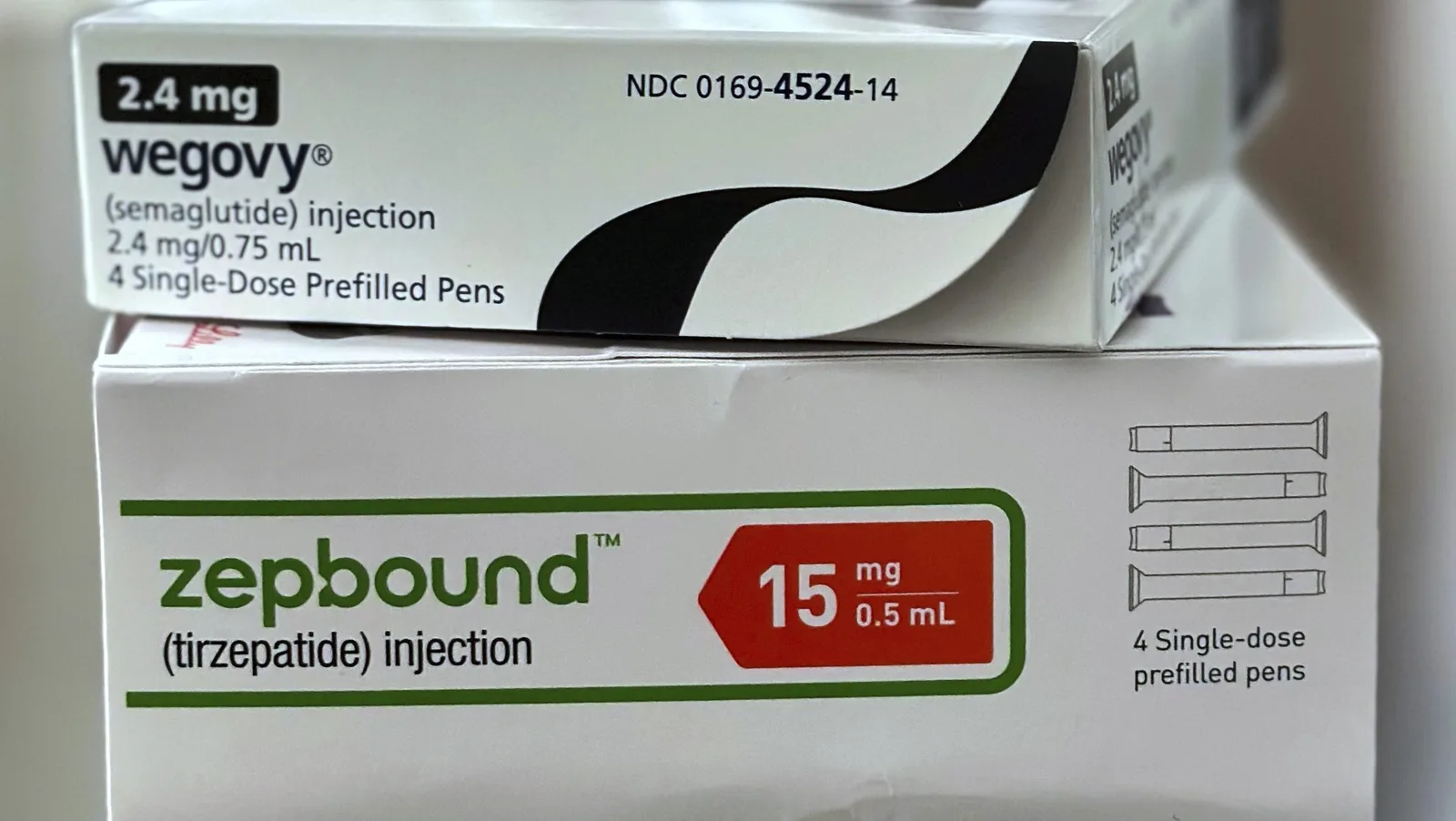
Wegovy, both containing semaglutide, have shown remarkable promise in helping people manage their weight and improve metabolic health. These medications work by mimicking a hormone that helps regulate blood sugar and appetite. This approach has generated significant excitement and, inevitably, intense competition within the pharmaceutical industry. The market is evolving quickly, with new players and strategies reshaping the future of weight management.
Understanding the Key Players: Ozempic, Wegovy, and Their Competitors
Semaglutide's Impact and the Rise of GLP-1s
Semaglutide, the active ingredient in Ozempic (for
diabetes) and Wegovy (for weight loss), has been a game-changer.
It has demonstrated significant efficacy in promoting weight loss and improving related health markers. However, the market is no longer solely focused on Novo Nordisk’s semaglutide-based medications. New options, like Eli Lilly's
Zepbound (
tirzepatide), are gaining traction. This increased competition benefits consumers by driving innovation and potentially lowering prices, creating a more dynamic market.
Beyond Semaglutide: The Broader Context
The success of semaglutide has spurred research into other GLP-1 therapies and related treatments. Many are exploring the potential of
peptide therapy for weight loss. Several pharmaceuticals, like
Mounjaro, are also being studied for their impact. While these medications show promise, it's essential to consult with a healthcare professional to determine which approach is best suited to your individual needs and medical history. The focus should be on how these options best serve an individual's health goals.
Navigating the Changing Market: What You Need to Know
The Impact of Market Shifts
The pharmaceutical landscape is ever-changing. The dynamics between companies like Novo Nordisk and Eli Lilly are constantly evolving, influencing the availability and cost of medications. Staying informed about these shifts and the latest research is critical for making informed decisions about your health. Consider these changes when working with your healthcare provider to design your personalized health plan.
Competitive pressures often lead to innovation and can make more options available.
Future Trends in Weight Management
Research into peptides like
BPC-157 is also expanding, and scientists are looking into their possible benefits, from gut health to longevity. The future of weight management is likely to involve a combination of approaches. These could include medications like semaglutide, lifestyle changes, and personalized health strategies. Understanding these options, and how they can be used together, will be key to long-term success. The field is developing rapidly, offering a multitude of approaches to support your wellness journey.
Practical Takeaways for Your Health Journey
- Consult with your doctor. Discuss your weight loss goals and explore appropriate medication options, including GLP-1s and other therapies.
- Focus on a holistic approach. Combine any medication with a healthy diet, regular exercise, and stress management techniques.
- Stay informed. Keep up-to-date with the latest research and developments in weight management.
- Track your progress. Monitor your weight, metabolic health indicators (blood sugar, cholesterol), and overall well-being.
Tracking Your Progress & Health with Precision
For many, achieving and maintaining a healthy weight and improving metabolic health is a long-term journey. Keeping track of your progress is an essential part of success.
Tools like Shotlee can help track key health metrics and wellness data. This can help to build insights into the effectiveness of your chosen approach, and ensure you remain on track to reach your goals.
Conclusion: Embracing the Future of Weight Management
The weight loss landscape is dynamic, with GLP-1 medications like semaglutide leading the way. Staying informed, consulting with healthcare professionals, and adopting a holistic approach are essential for success. As the market evolves, it's more important than ever to stay proactive and work with your care provider to develop a personalized strategy designed to meet your wellness goals.