
The Future of Weight Loss: A New Era of Oral Medications
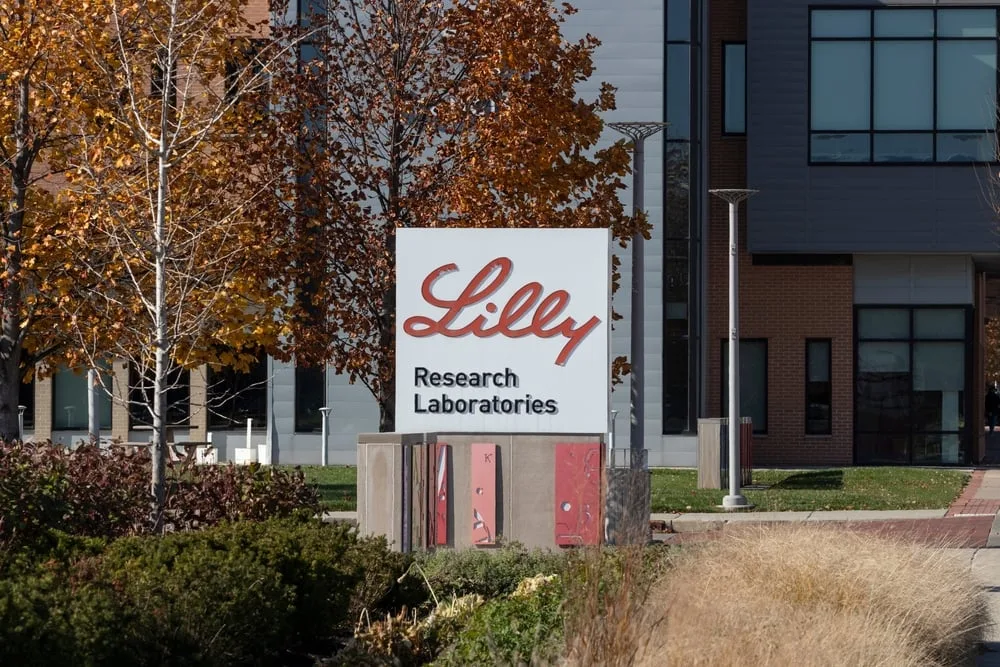
The landscape of weight loss and metabolic health is undergoing a significant transformation. Eli Lilly's recent announcement of a $1.2 billion investment in its Puerto Rico manufacturing facility is a clear indicator of this shift. This investment is primarily focused on scaling up the production of oral medications, including their promising new oral GLP-1 receptor agonist, orforglipron. This move has the potential to revolutionize how we approach weight management and related health issues.
Understanding GLP-1 and Its Role in Metabolic Health
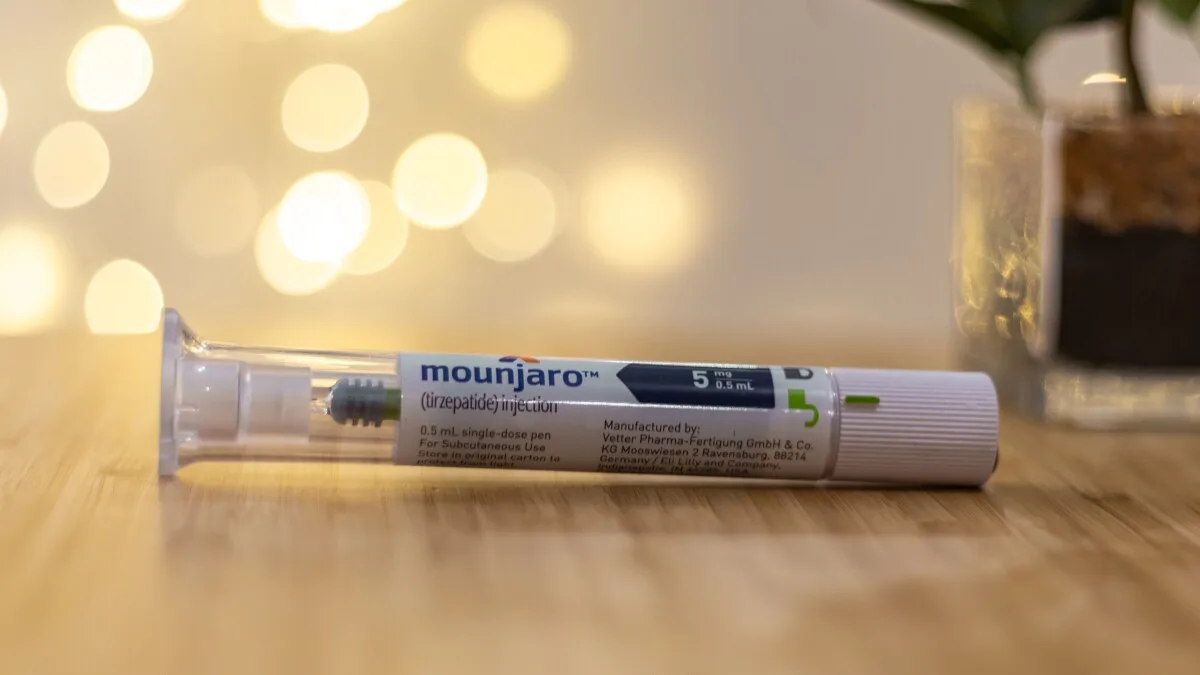
GLP-1 (glucagon-like peptide-1) receptor agonists are gaining considerable attention for their effectiveness in weight loss and their positive impact on overall metabolic health. These medications, like the injectable Ozempic and Wegovy (semaglutide), and the future oral treatments, mimic the GLP-1 hormone, which helps regulate blood sugar, slows down digestion, and promotes feelings of fullness. This can lead to reduced food intake and subsequent weight loss.
What makes the oral GLP-1s so exciting?
- Accessibility: Oral medications offer a more convenient option compared to injections.
- Wider Reach: Increased production capacity could make these medications more readily available to a larger population.
- Potential for Better Compliance: The ease of taking a pill may improve patient adherence to treatment plans.
The advancement of treatments for metabolic health is a significant step forward, offering new avenues for managing conditions like type 2 diabetes and obesity.
Looking Ahead: The Impact on Health and Wellness
Eli Lilly's investment signifies a broader commitment to innovation in healthcare. The new facility will incorporate cutting-edge technologies, further enhancing the manufacturing process and ensuring the quality of the medications produced. This expansion also promises job creation and supports local talent, contributing to the economic growth of the region. The anticipated production timeline, with new medicines starting by the end of 2028, provides a glimpse into the future of accessible, effective health solutions.
Precision tracking for your journey
Join thousands using Shotlee to accurately track GLP-1 medications and side effects.
📱 Get the Shotlee App
Track your GLP-1 medications, peptides, and health metrics on the go with our mobile app!
What This Means for You
The development of oral GLP-1 medications is promising for those seeking effective weight loss options. It's important to remember that these medications, like all medical treatments, should be used under the guidance of a healthcare professional. They are often part of a more comprehensive health plan that includes lifestyle changes.
Practical Takeaways for Your Wellness Journey
- Consult a Healthcare Professional: Discuss your individual health goals and whether GLP-1 medications are right for you.
- Embrace a Holistic Approach: Focus on balanced nutrition, regular exercise, and stress management for optimal well-being.
- Stay Informed: Keep up-to-date on the latest advancements in metabolic health and treatment options.
Remember that managing your weight and improving your health is a journey. It requires a comprehensive approach and a commitment to making positive changes in your lifestyle.
Tracking Your Progress for Long-Term Success
As you embark on any weight loss or wellness program, staying organized and tracking your progress is crucial. Tools like Shotlee can help track key health metrics such as weight, sleep, and even activity levels, giving you valuable insights into what's working and what may need adjustment. Monitoring these data points can help you stay motivated and make informed decisions.
Conclusion: A Brighter Future for Metabolic Health
Eli Lilly's $1.2 billion investment is more than just a financial commitment; it’s a commitment to improving health and well-being. With the anticipated growth in production of innovative oral medications like orforglipron, the future of metabolic health looks promising. By staying informed, embracing a holistic approach to your health, and utilizing tools to track your progress, you can take control of your well-being and achieve lasting results. The expansion signals a significant step forward in making effective treatments for weight management and metabolic health more accessible and transformative for many.